
当日/次日达

品质保障

开启新人专享福利: 全场免邮 | 低至 2 折 | 免费试用 30 天 JoyPlus 会员
下载 Joybuy
A pretty colour in a product photo doesn’t tell you much about how a lip product actually feels in daily use. A lip gloss can turn sticky, a matte lipstick can emphasise dry patches, and a lip stain can look completely different on your natural lip colour. If you rely solely on terms like “volumising”, “long-lasting” or “hydrating”, you can end up paying for an effect that doesn’t suit your own routine.
So watch out for these three common pitfalls:
First, decide what feel and look you’re after:
Pay attention to the difference between satin, glossy, vinyl and matte. A satin finish is less reflective than lip gloss, while a vinyl finish generally reflects strongly. If you have dry skin around the lips, a very matte formula can feel uncomfortable more quickly.
Check the ingredients list and the volume in millilitres or grams. The product descriptions provided mention sodium hyaluronate, jojoba oil, sunflower oil, mango seed butter, sweet almond oil and peptides.
Treat claims with care: according to OGB’s own product description, the Peptide Lip Tint contains a 1% peptide blend and the formula is said to help care for the lips and support the lip barrier. This is a brand claim, not a proven medical effect. Even with a peptide lip tint, it’s still important to check whether your skin reacts to fragrance, colourants or other ingredients.
If you have known sensitivities, it’s wise to do a small patch test before full use. Stop using the product if irritation occurs and follow the safety information on the packaging.
Choose a colour based on when you’ll use it:
Also check the applicator. A slanted lipstick works quickly and precisely; a jelly-tip applicator can follow your lip contour; a liquid tint needs to be blended quickly before the colour sets.
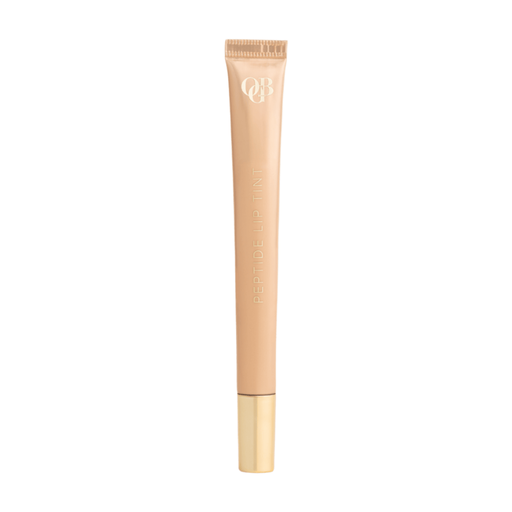
Why this suits the profile: The champagne colour and high shine are ideal for anyone looking for a light, buildable colour without jumping straight into a heavily pigmented lipstick.
According to the product description, the tint is subtle and buildable. This means a first purchase is less likely to be too intense straight away.
Champagne shade, glossy finish and, according to the product information, sodium hyaluronate, jojoba oil and mango seed butter.
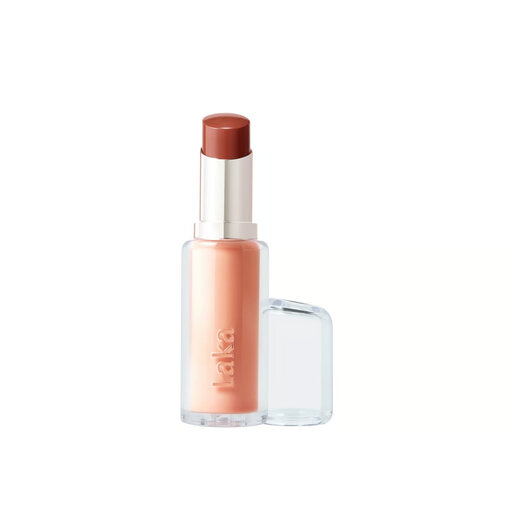
Why this suits the profile: This lipstick is designed for anyone who values a nourishing shine and a smooth, gliding texture over a matte finish.
The product information mentions a non-sticky, glossy finish and recommends removal with make-up remover or a gentle cleanser.
3.7 g of product, smooth texture and a glossy finish according to the product description.
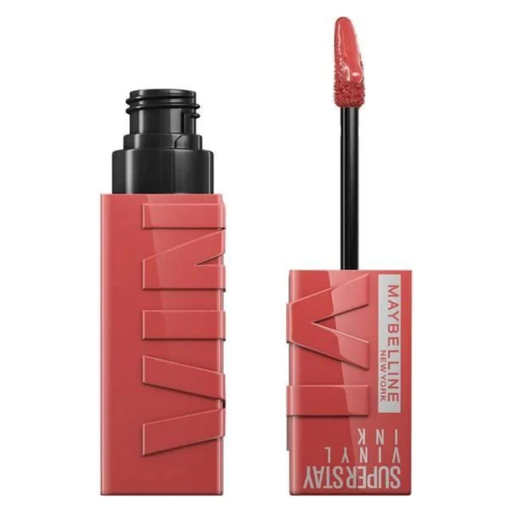
Why this suits the profile: A good option for anyone looking for a striking, glossy colour and who is prepared to follow the application steps carefully.
According to the product description, you need to shake the packaging and let the colour dry for about five minutes. This makes the usage expectations clearer.
4.2 ml of product, vinyl finish and, according to the brand’s product information, up to 16 hours of wear. This is a brand claim.
With a lip tint or lip stain, start by applying a thin layer and blend the edges straight away. A second layer gives more colour without you using too much product at once. With lipstick, a lip liner helps define the contour. Lip gloss can be worn on its own or over a lipstick for extra shine.
Store cosmetics in a cool, dry place away from direct sunlight. Close the packaging properly after use and check the expiry information on the label. Do not use a product if its smell, texture or colour has changed. If irritation occurs, remove the product and follow the safety instructions.
We’ve put together a full, up-to-date list of products that fully meet these strict selection criteria and comply with current European safety regulations.
Check whether the product description mentions a non-sticky texture and apply a thin layer. A gloss over a full layer of lipstick can feel heavy sooner. Remove any excess product from the inside of your lips.
This varies depending on the formula, how much product you use, and whether you eat or drink. Brands may mention a certain wear time, but this remains a product claim. A stain can leave a colour residue after the shine has faded; a lip gloss generally needs touching up sooner.
Look for a lip balm, lip tint or lip stain with ingredients that, according to the product description, are nourishing or soothing, such as oils, butters or sodium hyaluronate. Avoid products that feel uncomfortable and do not use cosmetics on irritated or damaged skin.
