
Vandaag of morgen in huis

Kwaliteit gegarandeerd

Welkomstaanbiedingen ontgrendelen: GRATIS bezorging | Tot 80% korting | Gratis 30 dagen JoyPlus-proefperiode
Download de app
A pretty colour in the online shop can disappoint in real life. The shade looks different on your lips, the gloss feels sticky, or the formula settles into dry lines after a few hours. When it comes to lip gloss and lip tint, the choice isn’t just about colour. Finish, ingredients, application and how you plan to use it matter just as much.
The same shade can look completely different on pigmented, pale or dry lips. A name like “Cherry”, “Berry” or “Peach” only hints at the colour family – it’s no guarantee of how the colour will actually appear. So make sure you check:
A coloured lip gloss usually gives less pigment than a liquid lipstick. A tint, on the other hand, can leave a colour stain behind once the gloss has faded.
A long-lasting lip tint or transfer-proof lip tint can stay put for longer, but some formulas feel drier. Eating, drinking or oily foods can also make the colour fade unevenly. So look at the combination of staying power and texture, not just one marketing term.
Product descriptions sometimes use phrases like “all day” or “12 hours”. Treat this as information from the brand or seller, not as a universal guarantee. According to the product description, Laka’s Perfect Twin Lip is transfer-resistant for up to 12 hours. The actual wear time depends on how you apply it, what you eat and drink, and the condition of your lips.
A hydrating lip gloss can feel comfortable thanks to oils, butters or emollients. But the formula varies from product to product. If you have dry or sensitive lips, check the ingredients list and look out for fragrance, flavourings and potential allergens. Stop using it if you get any irritation. A lip product is for external use only and must not get into your eyes.
First, decide on the effect you want to wear every day:
A lip gloss that doesn’t feel sticky is much nicer if you cycle a lot, spend time outdoors or have long hair. Texture is still a personal thing, though: a thicker gloss can give more shine, while a lighter formula feels less noticeable.
For a subtle everyday look, go for a tinted lip balm, sheer tint or buildable formula. If you want one strong layer, look at a liquid lipstick or a heavily pigmented tint.
Pay attention to the difference between:
Shea butter, jojoba oil, mango butter, vitamin E and similar emollient ingredients are common in lip products. They don’t on their own tell you how your skin will react. Always check the full ingredients list on the packaging.
For lip products for dry lips, a balm texture and a comfortable gloss are often more practical than a fully matte formula. If you have sensitive lips, a fragrance-free option might be worth considering. The product information for Clinique’s Chubby Stick mentions, among other things, a fragrance-free formula and ingredients like shea butter, mango butter and jojoba oil. This is product information from the brand, not a medical assessment.
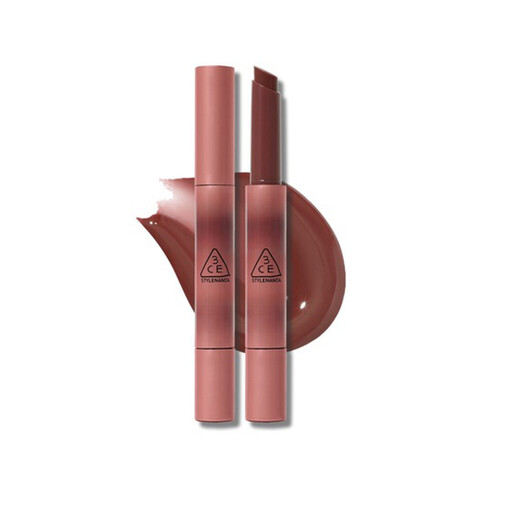
Why this fits the profile: A compact K-beauty lip tint for anyone who wants to try a light texture and gloss without committing to a full-coverage lip colour straight away.
The product information mentions a light, even texture and a non-sticky gloss. Do check the colour on your own lips, though, as Nectar is listed as a product variant.
Lip gloss finish, 1.7 g of product and, according to the product description, suitable for wearing alone or over lipstick.
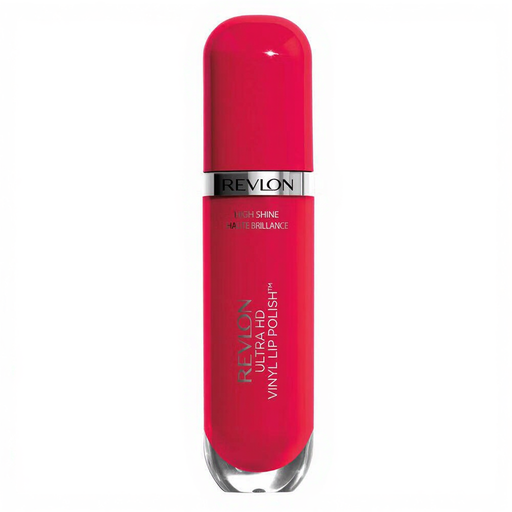
Why this fits the profile: For anyone after a bold red colour and a highly reflective finish for evening looks or striking glossy lips.
The product description specifies a highly pigmented liquid lipstick, a vinyl finish and an applicator with a reservoir tip. This means coverage and application are more clearly described than with a general gloss.
According to the product information, the formula contains vitamin E, shea butter and aloe leaf extract; 12 shades are listed.
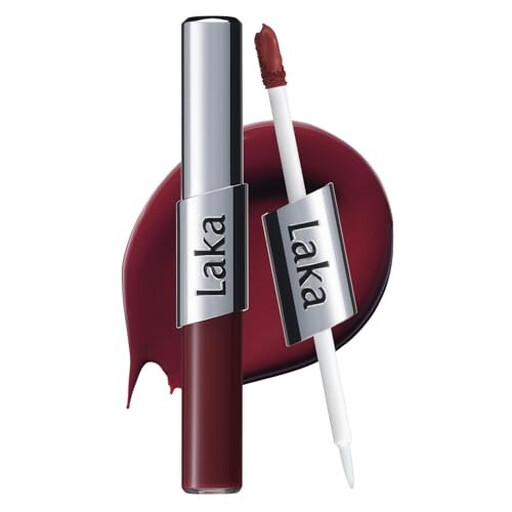
Why this fits the profile: A practical choice for anyone who wants to switch between a soft matte look, full colour and extra gloss throughout the day.
The two ends make the desired finish clear: first the matte liquid lipstick, then the transparent gloss if you want it. That means you don’t have to carry two separate products.
Two-in-one design and, according to the product description, a lightweight, non-sticky formula with transfer-resistant colour.
With a matte formula, a thin layer of lip balm beforehand can improve comfort, but too much oil can affect staying power. For a glossy look, you can apply a gloss over a dried-down tint.
We’ve put together a full, up-to-date list of products that fully meet these strict selection criteria and comply with current European safety regulations.
Lip gloss mainly adds a shiny layer to your lips and can contain colour, nourishing ingredients or a transparent finish. A lip tint usually gives more colour and can leave a stain behind once the gloss has faded. The coverage varies from formula to formula.
A tinted lip balm or a light, nourishing gloss is often more practical than a fully matte lip tint. Check the ingredients list and avoid products that have caused irritation before. Claims about hydration come from the brand; they are not a medical guarantee.
That depends on the formula, how thickly you apply it, the condition of your lips and what you eat or drink. A stain or transfer-proof lip tint can stay visible longer than a gloss, but you may still need to touch it up. Follow the expiry date and usage information on the packaging.
