
Livraison le jour même et le lendemain

Qualité garantie

Débloquez vos offres de bienvenue: Livraison GRATUITE | Jusqu'à -80 % | 30 jours d'essai gratuits à JoyPlus
Téléchargez l'application
A new lip gloss might seem easy to choose, but formulas can vary considerably. One glossy lip gloss feels lightweight, while another can quickly become sticky. Terms such as “volumising”, “waterproof” and “long-lasting shine” don’t always tell you exactly what to expect during a typical day.
So focus on information you can check: the texture, pigment intensity, ingredients, size and instructions for use. This will help you choose a lip gloss that suits your make-up routine and avoid leaving a lovely-looking product unused in a drawer.
A high-shine lip gloss can look beautifully reflective just after application, but shine and colour don’t automatically last equally long. Eating, drinking and talking all affect the result. A product with a film-forming formula or a tint may stay visible for longer, but it may feel different from a classic clear gloss.
Check whether the brand describes the product as a tinted lip gloss, lip stain or buildable colour. Also check whether any stated wear time is a claim made by the brand. For example, Rimmel claims up to 18 hours of wear for its Thrill Seeker Lip Latex, according to the product description. This is a brand claim, not a guarantee for every user or situation.
A non-sticky lip gloss usually feels more comfortable, but viscosity varies between formulas. A gel texture may feel lightweight, while an oil-based or strongly film-forming gloss can offer more protection and shine. If you often find that your hair sticks to your lips, compare product descriptions and ingredients.
A plumping lip gloss or lip gloss for fuller-looking lips can create the appearance of a fuller finish through shine, colour and light reflection. This is a cosmetic effect. It doesn’t mean your lips will stay bigger. Also check whether the product comes with any warnings. Stop using it if irritation occurs and follow the instructions on the packaging.
Choose between a subtle sheen, a glass-like finish or a highly reflective formula. A glossy lip gloss with little pigment works well as a clear top coat over lipstick or lip liner. A coloured lip gloss can be worn on its own for a more visible tint.
Look out for the terms “buildable” or “buildable colour”. These usually mean you can increase the intensity by applying several layers. fwee lists a pigment intensity of 70% for several 3D Voluming Gloss shades. Always check the selected shade, as pigmentation can vary between options.
A hydrating lip gloss often contains oils, emollients or other conditioning ingredients to help your lips feel comfortable. The fwee 3D Voluming Gloss product description lists jojoba, camellia, argan, apricot kernel, olive and sweet almond oils, as well as vitamin E. This describes the formula and intended product experience; it is not a medical claim.
If you’re looking for a vegan lip gloss, check that the claim applies to your chosen option. The NYX Fat Oil Slick Click is described as vegan in its product information and contains avocado, cloudberry and raspberry seed oils, among other ingredients. The same product information states that it has a lightweight, non-sticky texture and provides up to 12 hours of hydration. These are manufacturer claims.
Clear, pink or soft nude shades are often easy to pair with different make-up looks for everyday wear. Deeper brown and berry shades create more contrast but require more precise application.
A waterproof lip gloss may be worth considering for long days or damp weather. Judydoll Waterproof Lip Gloss is described as waterproof in its product name, but the available product information mainly contains compliance details and doesn’t offer a detailed explanation of its performance. So don’t judge this type of product by its name alone: check the instructions and available information about the specific option.
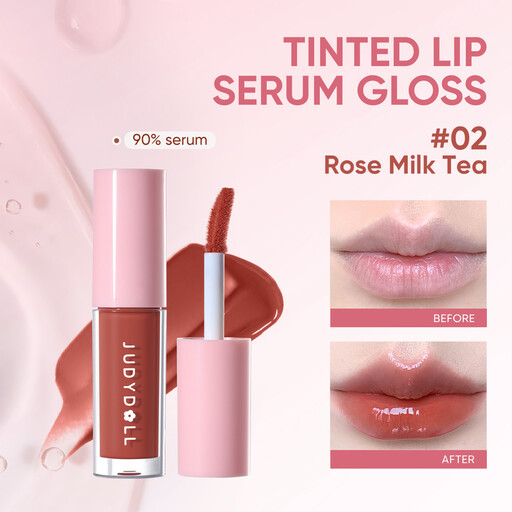
Why it suits this profile: This tinted option is ideal if you want to try colour and shine in one simple step without going straight for a very intense finish.
The tint makes it a more straightforward choice than a completely clear gloss. Check the colour representation and available product information before buying.
Tinted lip gloss for an easy everyday look; shade 02 is clearly specified to help you compare options.
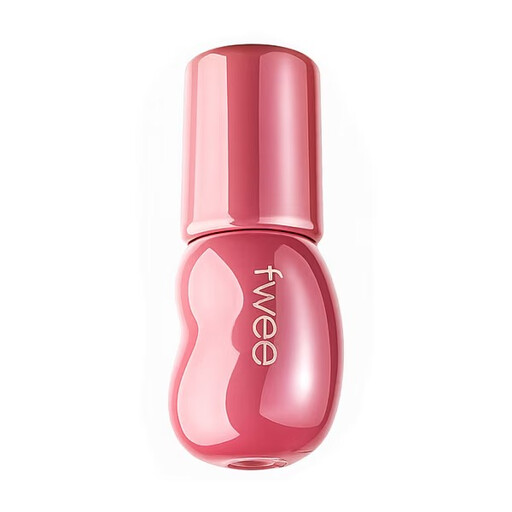
Why it suits this profile: The product description mentions high shine, 70% pigment intensity, a non-sticky texture and a subtle volumising appearance.
The stated pigment intensity helps you get a better idea of the colour and shine in advance than you would with a product that has no such specification.
5.3 g; gel-like formula; designed to create a glossy, fuller-looking finish.
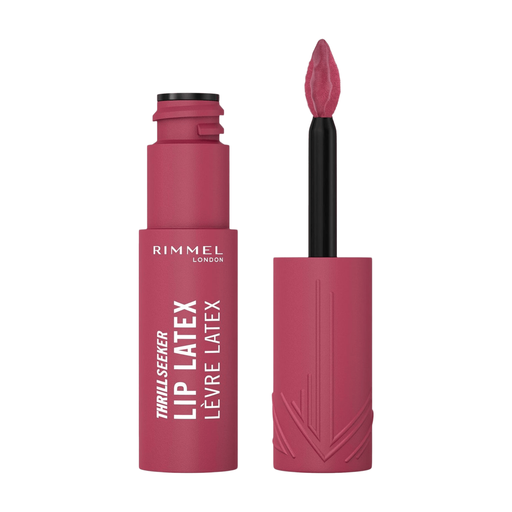
Why it suits this profile: The brown shade, 20 g size and diamond-shaped applicator make it a good fit if you want to apply colour precisely and achieve a bold, latex-like shine.
According to the product information, the applicator is designed for outlining and filling in the lips. This can help you apply the product more precisely than with a broad, less targeted applicator.
Listed conditioning ingredients include aloe vera, hyaluronic acid and vitamin E; shade 250 Honey Bun; 20 g tube.
We’ve put together a complete, up-to-date list of products that meet these strict selection criteria and the applicable European safety regulations.
Start with a thin layer of lip liner or lip colour and blot away any excess. Then apply a small amount of gloss to the centre of your lips. A tinted or film-forming formula may leave visible colour for longer, but reapplying after eating and drinking is still normal.
Choose a formula with strong light reflection, an even finish and, if you like, a product claim about volumising or plumping. The effect is optical and temporary: shine and colour can make your lips look fuller, but won’t permanently change their volume.
No. Hydrating lip gloss is generally designed to add shine and colour while feeling comfortable. Lip balm is more often designed to provide a conditioning layer without much pigment. Some products combine both features, such as the NYX Fat Oil Slick Click, but always check the specific product information and ingredients list.
