
Livraison le jour même et le lendemain

Qualité garantie

Débloquez vos offres de bienvenue: Livraison GRATUITE | Jusqu'à -80 % | 30 jours d'essai gratuits à JoyPlus
Téléchargez l'application
Lip gloss may seem like a simple make-up product, but the differences between formulas become clear when you use them. One gloss may feel heavy or sticky after a short while, while another offers plenty of shine but very little colour. If you’re looking for glossy lips, a cared-for feel and a fuller-looking appearance, it’s worth looking beyond just the shade or packaging.
Words such as plumping, volume and 3D usually refer to how the lips look after application. They do not automatically mean that the lips will become structurally fuller. A glossy finish can reflect light and enhance the lip contour visually. Some formulas also create a tingling sensation. That sensation alone is not proof of a particular result.
So focus on what you can verify: the finish, contents, applicator, colour and ingredients listed on the packaging.
A non-sticky lip gloss will feel different to everyone. A thicker texture may stay on the lips for longer, but it can also attract hair or dust more easily. A thinner gloss feels lighter, but may need to be reapplied more often. Product descriptions can help, but your final experience also depends on how much you apply.
A colour may look different on screen because of lighting and display settings. Transparent, nude and pink shades are often more subtle than the product photo suggests. Check the colour name, variant and description. Soft shades are practical for everyday wear, while red, cherry red and other more intense colours are better suited to a statement make-up look.
First, decide what result you’re looking for:
A lip gloss with hyaluronic acid sounds appealing if you’re looking for a hydrating formula. However, check the ingredients list and the specific product information. The presence of an ingredient alone does not indicate how much hydration you will experience.
A wide applicator can speed up application, while a smaller applicator gives you more control with a darker shade. Also consider the contents:
The formula may be liquid, creamy or serum-like. If you’re looking for a lip gloss for fuller-looking lips, also check whether the product only promises shine or whether the product description also mentions a volumising effect.
Read the label before use, especially if you have sensitive skin. Look out for fragrance, colourants and any ingredients you have reacted to in the past. Lip products are intended for external use only. Avoid contact with the eyes and stop using the product if irritation occurs. A patch test is recommended for some products.
Check the period after opening, often shown as 12M, and store the gloss somewhere cool and dry, away from direct sunlight. The packaging remains the main source of official shelf-life and usage information.
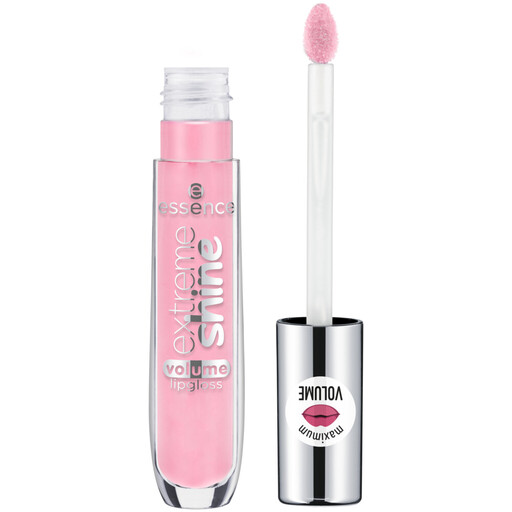
Why it suits this profile: A compact 5 ml lip gloss with a pink colour and wet-look finish. According to the product description, the formula is vegan, oil-free, alcohol-free, paraben-free and free from microplastics.
The product information specifies both the texture and the finish. This means you can expect a glossy look and a formula described as feeling non-sticky.
5 ml contents, pink tint, wet-look finish and a long list of explicitly stated product features.
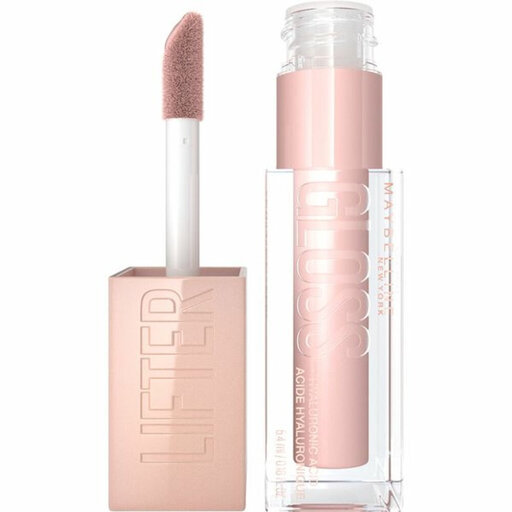
Why it suits this profile: This variant contains 5.4 ml, has an XL applicator and is available in several nude and pink shades. Variant 002 Ice is listed as transparent.
The exact variant and contents are specified. According to the product information, the formula contains hyaluronic acid and is described as having a non-sticky texture; check the label for the latest details.
XL applicator, transparent Ice tint, glossy finish and a choice of several colours.
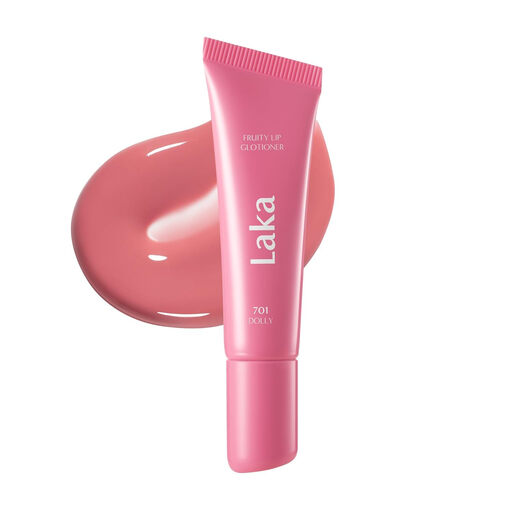
Why it suits this profile: The packaging contains 10 ml. According to the product description, the jelly tip applicator is designed to follow the natural shape of the lips, making it convenient for regular touch-ups.
The product information includes usage instructions, storage guidance and safety warnings. This makes it clear that you should store the gloss closed, somewhere cool and away from direct sunlight.
10 ml contents, jelly tip applicator, dewy shine and several suggested times for use throughout the day.
We’ve put together a complete, up-to-date list of products that fully meet these strict selection criteria and the applicable European safety regulations.
For a neat finish, start with clean, dry lips. If you like, apply a thin layer of lip balm first and allow it to sink in briefly. Then apply the gloss from the centre of the upper lip, working towards the corners of the mouth. A small amount helps prevent the formula from spreading beyond the lip contour.
For more definition, apply lip liner first. Transparent gloss can be applied over matte lipstick, while a tinted gloss often works best on its own if you want the shade to remain visible. Wipe the applicator against the edge of the packaging before reapplying to remove excess product.
According to product descriptions, hyaluronic acid may be added to help the lips feel more comfortable and hydrated. The personal effect varies. Check the ingredients list, instructions for use and any warnings on the packaging.
Wear time depends on the formula, the amount applied, eating, drinking and talking. Gloss is generally designed to be reapplied throughout the day. Lip liner or lipstick underneath can help define the colour, but it does not change the properties of the gloss.
Apply a thin layer and remove excess product with the applicator. Choose a formula described as non-sticky in the product information. Bear in mind that texture is experienced differently by each person, and that wind or loose hair can increase the likelihood of sticking.
