
Vandaag of morgen in huis

Kwaliteit gegarandeerd

Welkomstaanbiedingen ontgrendelen: GRATIS bezorging | Tot 80% korting | Gratis 30 dagen JoyPlus-proefperiode
Download de app
Dry or chapped lips don’t always need the same product. A lip balm is designed for daily use, whereas a lip mask is better suited to an evening routine. If you also want colour or shine, you’ll be looking at a lip tint, lip stain, lip gloss or lipstick. The difference isn’t just in the look – it’s also in the formula, packaging and how long it lasts.
The marketing around lip care can make it tricky to compare products fairly. So focus on verifiable information: ingredients, volume, instructions for use and any warnings on the label.
A tinted lip balm, lip tint or glossy lip stain can feel comfortable, but that doesn’t automatically make it suitable for very dry or chapped lips. Colour pigments, fragrance and flavourings can sometimes irritate sensitive lips. So check the ingredients list and only choose a colour product if your lips feel reasonably comfortable.
Glossy lips look well cared for, but shine doesn’t tell you much about the formula. A lip gloss can simply sit as a film on the lips. A balm containing ingredients like petrolatum, waxes or oils can actually help reduce moisture loss from the surface. According to a brand’s product description, certain ingredients may form a protective layer – but that doesn’t guarantee the same result for every user.
Vaseline Lip Therapy, Laneige Lip Sleeping Mask and Clinique Almost Lipstick are popular search terms, but the right choice depends on how you’ll use it. Always check the variant, volume and application method. A 20 g pot is not the same as a 4 g stick or a 10 ml liquid product. The expiry date and period after opening are also stated on the packaging.
For daily hydrating lip care, these features are practical to compare:
The ingredients list is in descending order of quantity, but the exact effect depends on the full formulation. Claims such as “repair”, “strengthening” or “collagen support” should be read as brand claims. According to the brand’s own research, results can vary from person to person.
A lip balm for on the go needs to be easy to apply. A lip sleeping mask, on the other hand, is used in the evening and left on as per the instructions. A peel-off lip mask has a shorter treatment time and should be followed by a balm or moisturiser.
Keep these points in mind:
Choose a product based on the effect you want:
Colour representation can vary due to screen settings and your natural lip colour. So look at the variant name and product images together.
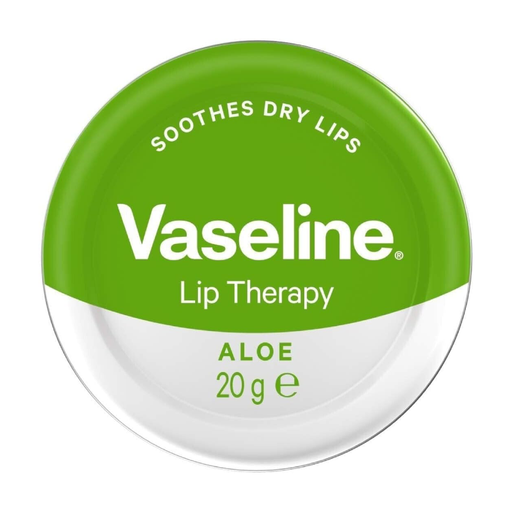
Why this fits the profile: A simple product for daily use, with a compact 20 g pot and a balm texture.
The description mentions petrolatum and aloe vera extract. This lets you assess the formula more concretely than relying on a general claim about softer lips.
20 g volume, aloe vera variant and a travel-friendly tin for applying whenever needed.
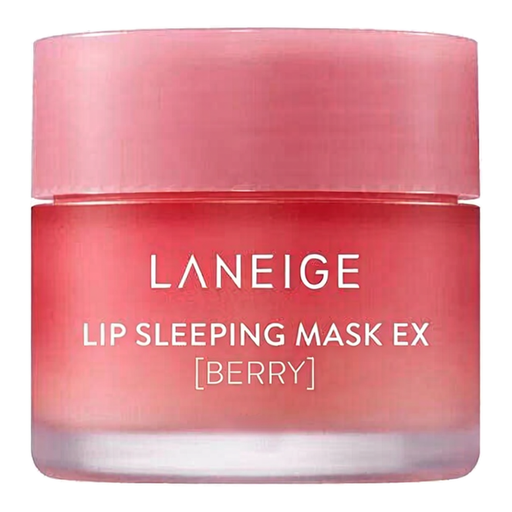
Why this fits the profile: Ideal for anyone who wants a dedicated evening routine with a leave-on lip mask and a supplied applicator.
The instructions clearly state that you apply it generously in the evening and wipe it off the next morning. This prevents it being misused as a regular lip gloss.
20 g, Berry variant, shea butter in the ingredients list and an applicator for more hygienic use.
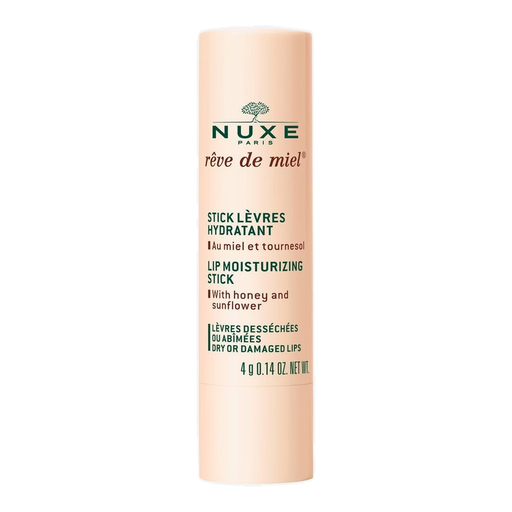
Why this fits the profile: A tinted lip balm in stick form for anyone who wants to combine care with a subtle hint of colour during the day.
The product information states the balm consistency, 4 g volume and ingredients such as honey, shea butter and sunflower oil. It also notes that the product is not vegan.
Handy stick packaging, a light tint and a formula with several oils and waxes.
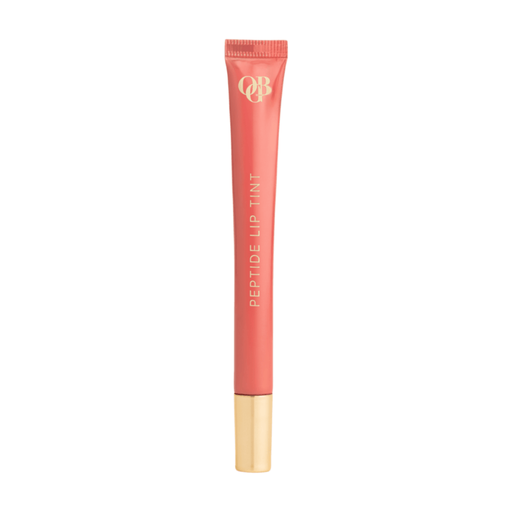
Why this fits the profile: For beauty lovers who want a peachy-pink tint and a glossy finish without a classic lipstick texture.
The description mentions a 1% peptide blend, sodium hyaluronate, jojoba oil, sunflower oil and mango seed butter. Check the current packaging for the full ingredients list.
Peachy-pink colour, high shine and a liquid tint that can be applied in one go.
We’ve put together a full, up-to-date list of products that fully meet these strict selection criteria and comply with current European safety regulations.
Start with a simple balm that forms a protective layer and apply it regularly. Avoid licking your lips, picking at flakes and products that sting or irritate. If symptoms persist or are severe, it’s wise to consult a doctor or pharmacist. Cosmetic lip care is not a substitute for medical treatment.
That depends on the volume, how often you apply it and the packaging. A product used several times a day will run out faster than a balm for occasional use. Check the expiry information and replace the product when the scent, colour or texture clearly changes.
No. A lip balm is usually intended for repeated use during the day. A lip mask, such as a lip sleeping mask, often has a richer texture and is used according to the instructions overnight or for a specific treatment time. Always check the specific usage instructions for the product.
