
Vandaag of morgen in huis

Kwaliteit gegarandeerd

Welkomstaanbiedingen ontgrendelen: GRATIS bezorging | Tot 80% korting | Gratis 30 dagen JoyPlus-proefperiode
Download de app
Dry lips can feel tight, peel and sometimes react badly to fragrances or flavourings. But not every lip balm is suited to the same purpose. A compact stick to keep with you, for example, needs different features from a nourishing balm for overnight use or a tinted version for a hint of colour.
When comparing products, don’t focus only on words such as “intensive”, “24-hour” or “shine”. These descriptions only tell you so much when you also consider the ingredients, directions for use and product format. Under ACM guidelines, product claims must be clear and verifiable.
A lip balm containing petrolatum, waxes or oils can form a protective layer that helps lock in moisture. That’s different from a formula that mainly contains humectants or nourishing ingredients. For dry or chapped lips, the texture may therefore matter more than eye-catching packaging.
Look for ingredients such as petrolatum, shea butter, squalane, jojoba oil, glycerine or amino acids. How well a product works depends on the full formula and how your skin responds; one ingredient alone won’t necessarily determine the result.
Lip gloss, lip oil and glossy lip balm give lips a cosmetic finish, but they aren’t always intended to replace a simple lip balm. A gloss can offer colour, shine and comfort, while a classic balm is mainly practical for regular application.
If you’re mainly looking for lip make-up, it’s worth comparing pigment, applicator, staying power and transfer resistance. If you want to care for dry lips, it’s also a good idea to read the ingredients list and warnings.
A pleasant fragrance isn’t necessarily suitable for sensitive lips. Products containing perfume or aromatic ingredients may irritate some users. So check the ingredients if you’ve had a reaction before.
A lip balm with SPF is handy when your lips are exposed to the sun. Check the stated SPF rating and follow the directions for use. According to Labello’s product information, the Protect+ SPF15 formula protects against UVA and UVB rays; this is a brand claim, not a guarantee for every user.
For everyday use, a stick such as Liposan Lip Balm Original can be handy. The product description lists natural oils, shea butter, a transparent finish and a net weight of 4.8 g.
Don’t just read the front of the packaging. A vegan lip balm may be worth considering if you want to avoid animal-derived ingredients, for example, but also check for perfume, essential oils and known allergens. According to the product information, The Ordinary Squalane + Amino Acids Lip Balm is vegan, fragrance-free and designed for everyday use. The formula contains squalane, jojoba esters and amino acids, among other ingredients.
If you experience a burning sensation, redness or itching, stop using the product. Always follow the warnings on the label. Use lip products externally only and avoid contact with your eyes.
First, decide what you need:
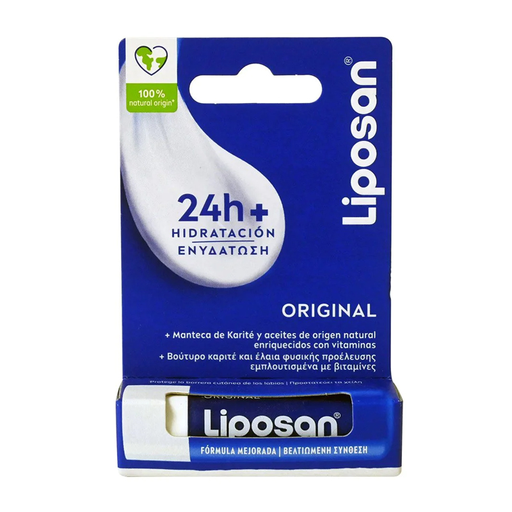
Why it suits this profile: The clear stick is easy to apply and suitable for everyday use at home, at work or on the go.
The product information describes a clear formula with no colour claim, making it easy to use as a lip-care staple.
Stick format, 4.8 g, with shea butter and natural oils according to the product description.
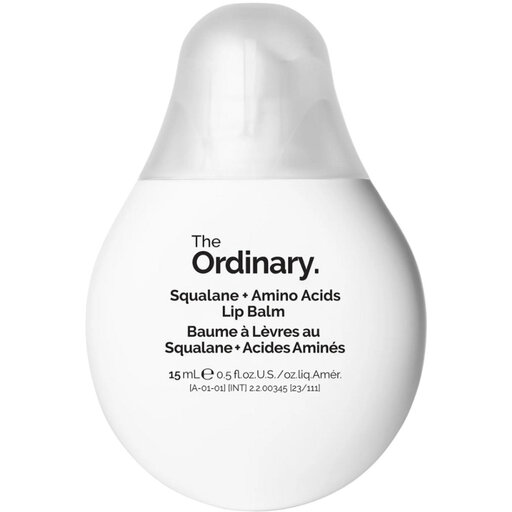
Why it suits this profile: A fragrance-free formula with squalane and amino acids is a good fit for shoppers who compare ingredients and texture carefully.
The product description states that it contains no perfume and clearly lists the key ingredients, so you don’t have to rely as much on vague marketing terms.
15 ml, vegan according to the product information, with squalane, amino acids and a light, non-greasy texture.
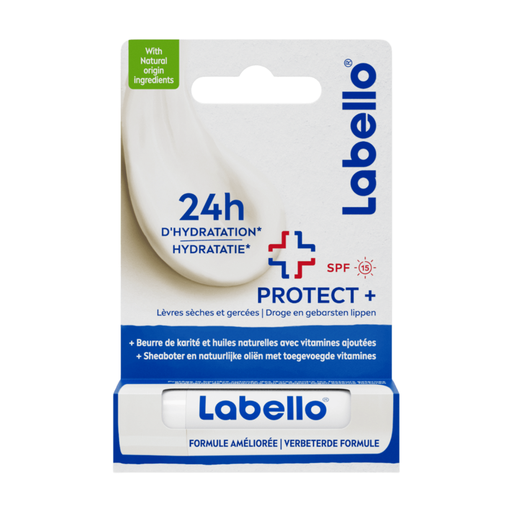
Why it suits this profile: Suitable for anyone who wants to combine lip care with SPF15, for example during outdoor activities.
The SPF rating is clearly stated. According to the product information, regular reapplication is needed for continued protection.
SPF15, shea butter and natural oils according to the product description; designed for use in windy, cold and dry conditions.
We’ve put together a complete, up-to-date list of products that meet these strict selection criteria and current European safety regulations.
A lip gloss such as Rimmel Thrill Seeker Lip Latex is mainly designed to add colour and shine. The product description mentions aloe vera, hyaluronic acid and vitamin E, but these brand claims should be treated as product information, not medical benefits. According to its specifications, Essence Hydra Kiss Lip Oil has an oil-based formula, adds shine and gives a subtle tint. If you want colour without heavy coverage, a tinted lip balm is a natural middle ground.
For a bolder look, lipstick offers more pigment. To combine colour with glossy lips, you can also apply a balm or lip oil over your lipstick. Check that the textures work well together and that the formula feels comfortable on your lips.
Apply lip balm whenever your lips feel dry or tight, and always follow the instructions on the packaging. If you’re using a lip balm with SPF, it’s important to reapply it according to the product instructions, especially after eating or drinking, or after spending a long time in the sun.
Choose a simple, non-irritating formula and temporarily avoid fragrances or flavours if you react badly to them. Apply a thin layer regularly and stop using the product if irritation occurs. Persistent or painful symptoms aren’t just a matter of choosing the right product; ask a doctor or pharmacist for advice.
The expiry information and period after opening are shown on the packaging. Store the product in a cool, dry place, away from direct sunlight and heat. Throw away lip balm if its smell, colour or texture changes noticeably.
