
Vandaag of morgen in huis

Kwaliteit gegarandeerd

Welkomstaanbiedingen ontgrendelen: GRATIS bezorging | Tot 80% korting | Gratis 30 dagen JoyPlus-proefperiode
Download de app
Lips can become dry quickly because of wind, cold weather, dry indoor air or frequent lip-licking. A lip balm can help lock in moisture and form a protective layer. However, not every product is right for every situation. A tinted balm for on the go has different qualities from a fragrance-free formula for sensitive lips or a lip balm with SPF.
When choosing, pay particular attention to the ingredients, ease of use and claims on the packaging. Read on to find out which common pitfalls to avoid, which features matter and which options suit different needs.
Vanilla, rose, berries or mango can make a lip balm appealing. However, a scent tells you little about how well the product locks in moisture. Fragrances may also be less suitable if your lips are sensitive. Always check the ingredients list and, if your lips are prone to irritation, opt for a fragrance-free formula.
A glossy finish can feel nice, but it doesn’t automatically mean your lips will stay moisturised for longer. Ingredients such as petrolatum, waxes, oils, glycerine and butters each have a different purpose. An occlusive ingredient helps lock in moisture, while humectants draw moisture in. A combination of the two can be a practical choice for dry or chapped lips.
Not every lip balm protects against sunlight. A product with SPF should clearly state its protection factor. According to the product information, Labello Med Repair Protect+ SPF15 is sold with SPF15 and protection against UVA and UVB rays. Product claims come from the manufacturer, so always check the label and instructions before use. A balm without a stated SPF is not a substitute for a lip balm with sun protection.
Occlusive ingredients are often worth looking for in a lip balm for dry lips. Petrolatum, also known as petroleum jelly, forms a layer that helps lock in moisture. Waxes and oils can make the texture firmer or easier to spread.
According to the product information, Vaseline Lip Therapy Original contains petrolatum. It has a transparent formula and comes in a compact 20-gram tin. This makes it a good option if you’re looking for a simple, fragrance-free staple.
If you’d like nourishing lip care with extra butters or oils, look for shea butter, cocoa butter, jojoba oil or squalane. According to its listed ingredients, The Ordinary Squalane + Amino Acids Lip Balm contains squalane, amino acids, jojoba esters and sunflower seed wax, among other ingredients. The product information also states that the formula is fragrance-free.
A stick is quick and tidy to apply, while a balm in a tin is applied with your finger. A stick fits easily into a coat pocket and is handy for regular application on the go. A tin can be useful when you want to apply a thicker layer, such as before bed, but it’s important to use clean hands.
Check the amount of product, too. Many sticks contain around 4.8 grams, while tins often contain 20 grams. A larger size isn’t automatically better value: compare the price per gram and consider how often you’ll use the product.
A tinted lip balm combines lip care with a subtle hint of colour. Vaseline Rosy Lip Chapsticks come as a duo pack and, according to the product details, leave a tinted finish. The Vaseline Rosy Lips version has a pink tint and comes in a 20-gram tin.
For a more noticeable pop of colour, rom&nd Glasting Melting Lip Balm 12 Covered Rose is an option. According to the product description, this lip balm has a rose colour, a glossy finish and a light, non-sticky texture. The product information doesn’t state an SPF, so use a separate lip balm with SPF when you’re out in the sun.
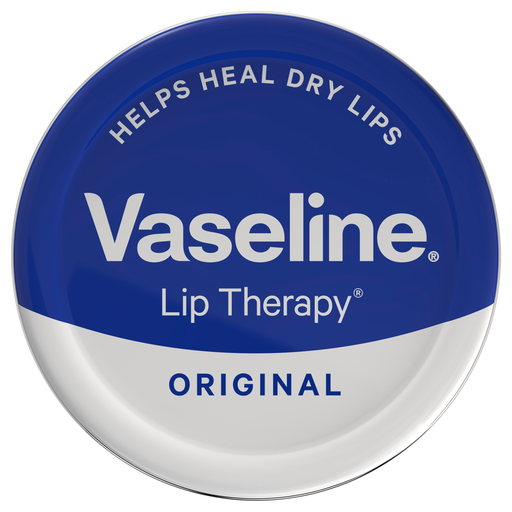
Why it suits this profile: A simple option for everyday use at home, at school or on the go, with no tint or complex formula.
The ingredients list names petrolatum as the main ingredient. Tint and fragrance aren’t used as the main selling points.
20-gram size, compact tin and transparent formula containing petrolatum.
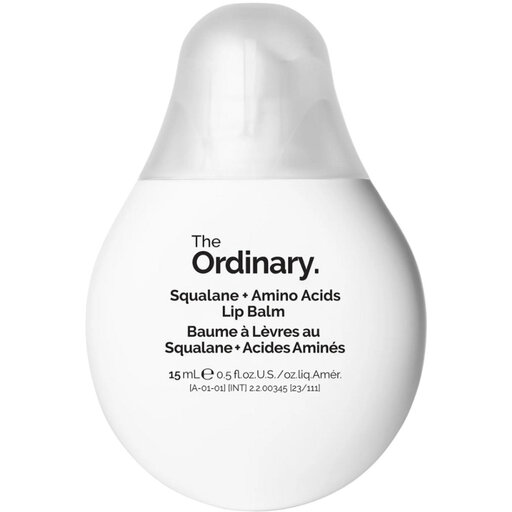
Why it suits this profile: A good choice if you’re looking for a fragrance-free formula and a light texture for everyday use.
The product information lists no fragrances and highlights squalane and amino acids as key ingredients.
15 ml size, fragrance-free formula and non-greasy texture, according to the product description.
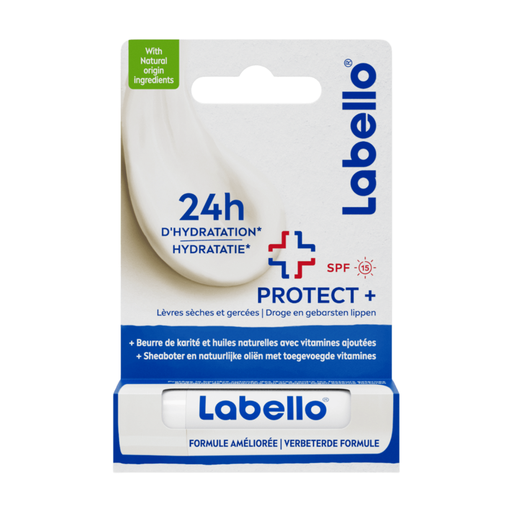
Why it suits this profile: A practical choice if you spend a lot of time outdoors and want to combine hydration with a stated SPF.
The SPF15 factor is clearly stated in the product name and information. This means you don’t have to judge its sun protection based on marketing language alone.
Stick format, SPF15 and ingredients such as shea butter, glycerine and panthenol, according to the listed formula.
We’ve put together a full, up-to-date list of products that meet these strict selection criteria and current European safety requirements.
Look for a formula with ingredients that help lock in moisture, such as petrolatum, waxes or oils. If you have sensitive lips, a fragrance-free lip balm can be a practical choice. Always check the current ingredients list on the packaging.
It depends on the product and your circumstances. Applying it as needed is common. You may need to reapply in windy or cold weather, in dry air, or after eating and drinking. A lip balm with SPF should be reapplied regularly as instructed.
It can be, but check the formula first. A tinted balm can combine colour and care, but may contain fragrances or colourants that aren’t suitable for everyone. If your lips are very irritated, a simple formula without unnecessary extras may be a better choice.
