
Vandaag of morgen in huis

Kwaliteit gegarandeerd

Welkomstaanbiedingen ontgrendelen: GRATIS bezorging | Tot 80% korting | Gratis 30 dagen JoyPlus-proefperiode
Download de app
Dry lips don’t always need the same solution. A clear balm can be a good choice for everyday use, while a lip balm with SPF may be better for outdoor activities. If you want colour and shine, a tinted lip balm could fit your make-up routine better.
It’s easy to pay too much for a product that simply sounds impressive on the packaging. So don’t just look for terms such as “intensive”, “natural” or “long-lasting”. Consider the formula, how you’ll use it and the information on the label.
Words such as “repairing”, “clinically tested” or “suitable for sensitive lips” only tell you something if it’s clear what the claim is based on. For example, a brand’s own research might say that a product makes lips softer within a few days, but that’s no guarantee it will work for everyone.
So check:
A lip balm with a glossy finish may feel comfortable, but that doesn’t automatically mean the formula is suitable for very dry lips. Tinted products also contain colourants and sometimes fragrance. If your lips are sensitive, a simple, fragrance-free formula is often a sensible first choice.
A natural lip balm may contain plant oils, waxes or butters, but “natural” isn’t a universal measure of quality. Vegan doesn’t necessarily mean fragrance-free or suitable for every type of sensitive skin. Always check the ingredients and the specific claims on the product page.
For a lip balm for dry lips, oils, waxes and occlusive ingredients are worth considering. Petrolatum, waxes and butters can form a protective layer, while plant oils and shea butter give the formula a nourishing feel. How well they work, and how well you tolerate them, varies from person to person.
If you’re choosing a lip balm for sensitive lips, look for:
Stop using the product if you experience redness, itching or irritation. If symptoms persist, it’s better to seek advice from a doctor or pharmacist than to keep trying different balms.
A moisturising lip balm can be clear, glossy or tinted. For example, a glossy lip balm works well with a light make-up look or as a top coat over lipstick. A tinted lip balm adds colour without offering the same coverage as a classic lipstick.
Think about how you’ll use it:
A lip balm with SPF can help protect your lips from UV rays during outdoor activities. Check the stated SPF rating and follow the instructions for reapplication. Not every glossy or nourishing balm contains sun protection: for example, the Laneige Glowy Lip Balm products in this selection are listed as having no SPF.
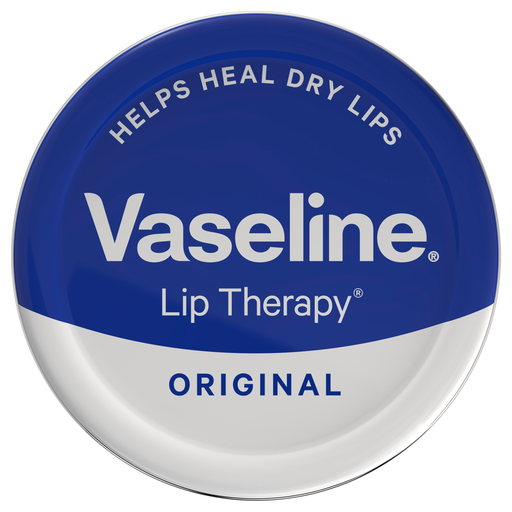
Why it suits this profile: The clear formula with petrolatum is designed for simple everyday use. The tin contains 20 g and is suitable for reapplying as needed.
The product information names one key ingredient, petrolatum, so you don’t have to interpret a long list of extra colour or fragrance ingredients.
20 g size, clear finish and compact packaging. According to the product information, the formula is dermatologically tested and paraben-free.
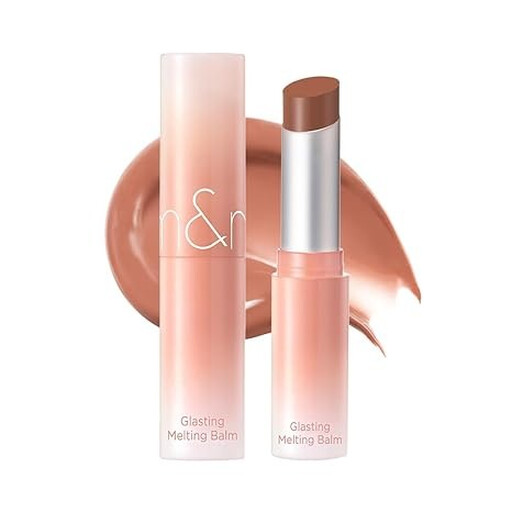
Why it suits this profile: This rom&nd lip balm combines a light tint with a glossy finish. Shade 11 Light Coral is designed for a fresh, subtle look that you can build up.
The colour and finish are clearly specified: light coral, glossy and buildable. So you know this isn’t a colourless base balm.
According to the product description, the balm has a light, non-sticky formula with plant oils and extracts. The packaging states that the formula is paraben-free.
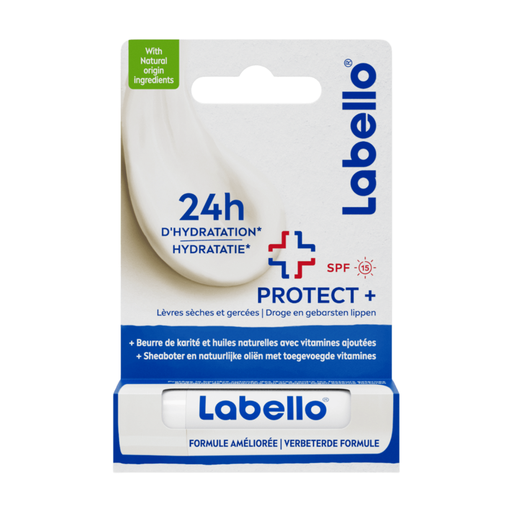
Why it suits this profile: This stick is designed for use in windy or cold weather and during outdoor activities. The product information states that it has SPF15 and protects against UVA and UVB rays.
The SPF rating is clearly stated. That means you don’t have to rely on a general term such as “protective” without any UV details.
SPF15, shea butter and panthenol, according to the ingredients list. The stick is designed to be reapplied as needed.
If you’re looking for a vegan lip balm, consider the rom&nd Glasting Melting Lip Balm 06 Kaya Fig. According to the product information, this shade is vegan, silicone-free and alcohol-free. The formula includes jojoba oil, almond oil, shea butter and various colourants. If you have allergies, always check the current packaging.
The Laneige Lip Glowy Balm in Blueberry, Mango and Vanilla are options if you’re looking for a glossy lip balm with a light tint and a flavour or fragrance. According to the product information, these variants contain shea butter and murumuru butter. They don’t contain SPF, so a separate product with a stated SPF is a better choice for sun protection.
The Weleda Skin Food Lip Butter Stick is a natural lip balm with a subtle shine. The product information states that it contains 100% natural ingredients and has a formula made with oils, waxes and plant extracts. If you’d prefer to add colour, consider a Clinique Chubby Stick or Vaseline Rosy Lips.
We’ve put together a complete, up-to-date list of products that meet these strict selection criteria and current European safety regulations.
Apply lip balm whenever your lips feel dry or tight. If you’re using a product with SPF, it’s important to reapply it as directed on the packaging, especially after eating, drinking or spending a long time in the sun.
The shelf life is shown on the packaging as either an expiry date or a period after opening. Store the balm in a cool, dry place away from direct sunlight and heat. Throw it away if its smell, colour or texture changes noticeably.
Choose a simple formula if possible, and avoid ingredients that have irritated your lips before. A fragrance-free or unscented option can be a practical place to start, but always check the current ingredients list. Stop using it if irritation occurs, and seek medical advice if symptoms persist.
