
Vandaag of morgen in huis

Kwaliteit gegarandeerd

Welkomstaanbiedingen ontgrendelen: GRATIS bezorging | Tot 80% korting | Gratis 30 dagen JoyPlus-proefperiode
Download de app
Dry, chapped or cracked lips don’t always call for the same lip balm. A light stick can be handy on the go, while a richer balm is better suited to cold wind or use before bed. If you also want shine, colour, fragrance or sun protection, it’s important to look beyond just the packaging.
As a Joybuy Product Recommendation Officer, I filter product information based on practical points. This way, you avoid paying mainly for an attractive claim and make a more targeted choice within lip care.
A hydrating lip balm can make your lips feel more comfortable, but the formula determines how long that effect lasts. Ingredients such as petrolatum, waxes, shea butter and oils can form a protective layer. A product with a light, glossy texture may need to be reapplied more often.
So pay attention to the difference between:
A tinted lip balm or lip balm with colour combines lip care with make-up. That’s convenient, but check whether the colour intensity and finish suit your use. A sheer tint gives a subtle effect; a richer tint can look more like lipstick.
If you’re mainly looking for a lip balm for dry lips, it’s best to look first at the texture and ingredients list. Colour, fragrance and shine are extra features, not a guarantee of a comfortable feel.
Lip balm with SPF is relevant when you’re outdoors a lot, for example when cycling, walking or spending a day at the beach. Always check the stated SPF level and the usage instructions. The Labello Med Repair Protect+ SPF15 states SPF15 and protection against UVA and UVB rays in the product description. According to the product information, you need to reapply regularly, especially before sun exposure.
A balm without SPF, such as Laneige Lip Glowy Balm Berry, is not automatically unsuitable. On the product page, this product actually states that it contains no SPF. So choose based on your situation.
Look at the first ingredients on the INCI list. Petrolatum, for example, is listed as the main ingredient in Vaseline Lip Therapy Original. That’s a simple formula with one clearly stated main component. Other products combine waxes, oils and butters.
Examples:
Do you get irritation easily? Then choose a formula whose ingredients you know, and test a new product carefully first. Stop using it if irritation occurs and follow the safety information on the packaging.
The packaging determines how practical the lip balm is to use:
A product with 4 g, such as the Nuxe Rêve de Miel Lip Moisturizing Stick, is compact. A 20 g pot, like Vaseline Lip Therapy Original, offers more product but generally takes up more space.
Make a simple choice before purchasing:
Note that “natural” doesn’t automatically mean a product is suitable for everyone. Nuxe Very Rose states 100% ingredients of natural origin; according to the product list, the formula contains rose extract, jojoba oil, shea butter and perfume, among others.
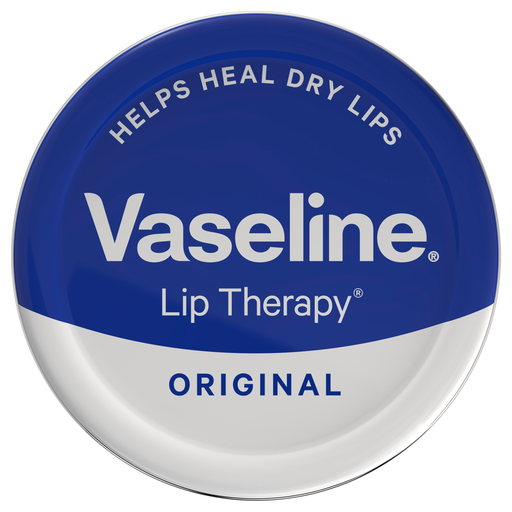
Why this fits the profile: The simple formula and 20 g pot make this an accessible choice for daily lip care without colour or SPF.
The product description lists petrolatum as an ingredient and mentions no colour or fragrance claim that overshadows the basic function.
20 g content; Original variant; according to the product information, dermatologically tested and paraben-free.
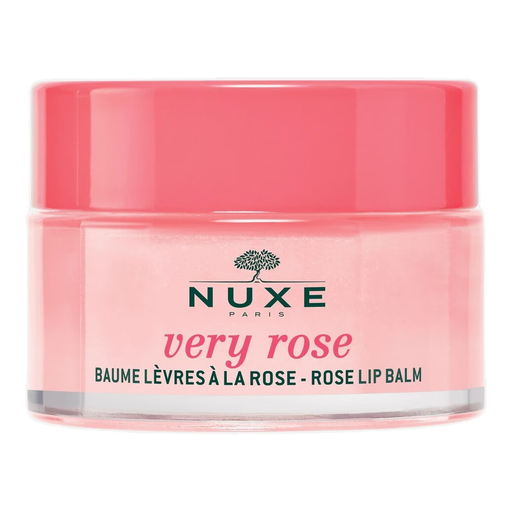
Why this fits the profile: Suits those who, alongside care, value a melting texture, rose accents and a subtle pink sheen.
The product page mentions a non-sticky finish and that the balm can be used before lipstick. According to the description, the colour remains light pink.
15 g; rose extract, jojoba oil and shea butter in the ingredients list; according to the product information, 100% ingredients of natural origin.
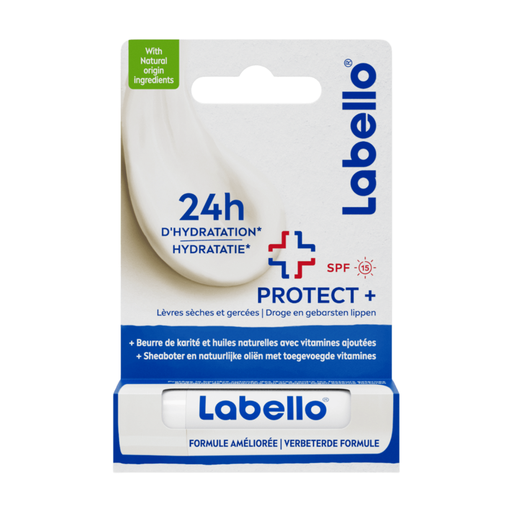
Why this fits the profile: A practical choice for those who want to combine lip care with SPF during daily outdoor use.
The SPF level is clearly stated as SPF15. This means you don’t have to rely on a general claim about protection.
Stick format; SPF15; shea butter, glycerine and panthenol listed in the ingredients; according to the product information, dermatologically approved.
We’ve put together a full, up-to-date list of products that fully meet these strict selection criteria and comply with current European safety regulations.
That depends on the formula and your circumstances. Apply a hydrating lip balm when your lips feel dry or tight. In wind, cold or sun, reapplication may be necessary. Always follow the usage instructions on the packaging, especially with lip balm containing SPF.
Check the expiry date and the period-after-opening symbol on the packaging. Some products, for example, show a pictogram with 12M. Store lip balm in a cool, dry place, away from direct sunlight and heat. If the smell, colour or texture changes, do not continue using the product.
Look for a richer, protective formula containing, for example, petrolatum, waxes, shea butter or oils. A lip balm for cracked lips should feel comfortable and leave a layer that helps limit moisture loss. Stop using a product if it causes irritation and consult a doctor if symptoms persist.
