
Vandaag of morgen in huis

Kwaliteit gegarandeerd

Welkomstaanbiedingen ontgrendelen: GRATIS bezorging | Tot 80% korting | Gratis 30 dagen JoyPlus-proefperiode
Download de app
Dry, rough or chapped lips don’t all need the same kind of care. A simple lip balm can be enough for daily use, while a lip mask for night-time is better suited to heavily flaking lips. If you’re after a hint of colour, you’ll probably look at a tinted lip balm. And for outdoor activities, a lip balm with SPF can be a sensible choice.
Still, choosing isn’t always straightforward. Packaging often promises long-lasting hydration, repair or a plumper appearance, but those terms don’t automatically tell you how a product will work for your needs. So pay close attention to the formula, how you apply it, and the full ingredients list.
A hydrating lip balm can attract moisture or soften the lips, but a product with occlusive ingredients also lays a film on the lips. According to the product description, petrolatum, waxes and certain oils mainly help to limit moisture loss. That makes such a formula practical in wind, cold and dry indoor air.
A balm with only a light, fast-evaporating texture may feel pleasant, but it isn’t sufficient for every use. So check whether the ingredients list also contains protective or emollient components.
A pleasant scent can improve the experience of using a product, but perfume and flavourings aren’t suitable for everyone. For a lip balm for sensitive lips, it’s wise to look for a fragrance-free formula and check the ingredients for known allergens.
Stop using it if irritation occurs. Product information about skin tolerance, such as “dermatologically tested”, describes a property of the product but doesn’t guarantee it’s right for you personally.
A tinted lip balm combines care with a subtle hint of colour. The coverage is usually different from a lipstick and can vary depending on your natural lip colour. Claims about fuller lips, contours or less visible lines are also not the same as a lasting cosmetic result. According to the product description from some brands, it mainly creates a temporary optical effect or a more comfortable feeling.
First, look at the ingredients that suit your concern:
Always check the current packaging. Formulas can change, and the product page isn’t the only source for warnings or shelf life.
A stick is hygienic and easy to apply on the go. A tin is compact, but you’ll need to use your finger or a clean spatula. A tube or slanted applicator tip is handy if you want to apply directly to your lips.
Also pay attention to the amount. A stick of around 4.8 grams is practical for carrying every day, while a pot of 20 grams may be more suitable for regular use at home. A larger pack isn’t automatically better value: compare the price per gram or millilitre.
A lip balm with SPF is designed for protection against UV radiation. Check which SPF factor is on the label and reapply after eating, drinking or prolonged sun exposure. SPF doesn’t replace other sun protection.
For the evening, a lip mask for night-time can offer a thicker layer than a light day balm. Use it according to the instructions and watch out for fragrances if your lips are sensitive.
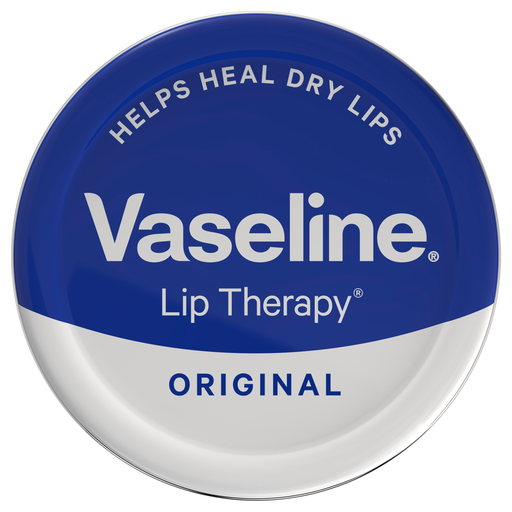
Why this suits the profile: According to the product information, the formula contains petrolatum and is intended for daily use. The 20g tin is compact enough for a bag and suitable for anyone looking for a simple lip balm.
The ingredients list is short, so you can easily check what’s in it. No colour or SPF claims are attached to the original variant.
20g content; petrolatum as main ingredient; tin packaging; apply as needed.
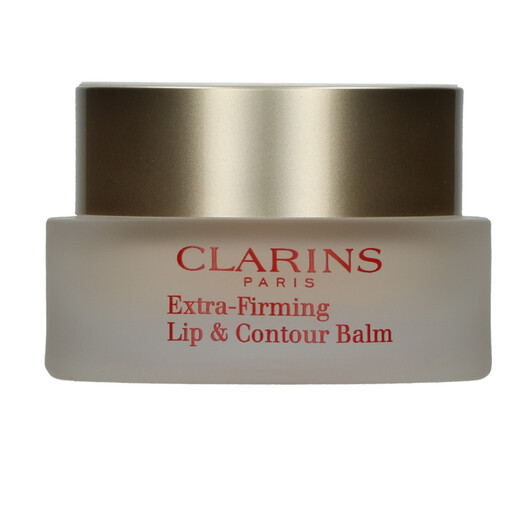
Why this suits the profile: This lip treatment targets both the lips and the skin around the lip contour. The product description mentions shea butter, raspberry oil and use in the evening or several times a day.
The application and content are clearly described. Claims about fuller lips and less visible lines come from the brand’s product description and should not be seen as a guaranteed result.
15ml content; suitable for lips and lip contour; shea butter and raspberry oil listed; pot with spatula.
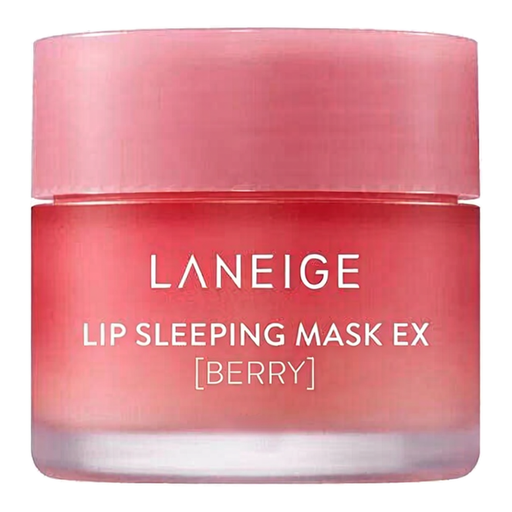
Why this suits the profile: This lip mask for night-time is designed for anyone who has to reapply frequently during the day. According to the product description, you apply a generous layer in the evening and remove it the next morning.
The formula is specifically positioned as a night product, so you don’t have to adjust the time of use to a thin day texture. The ingredients list includes shea butter and waxes, among others.
20g content; applicator included; designed for dry lips; berry variant with fragrances.
We’ve put together a full, up-to-date list of products that fully meet these strict selection criteria and comply with current European safety regulations.
Apply a lip balm when your lips feel dry or tight, and follow the instructions on the packaging. With a product containing SPF, it’s important to reapply after eating, drinking or prolonged sun exposure.
Check the expiry date, batch information and the symbol for the period after opening on the packaging. Store the product in a cool, dry place, away from direct sunlight and heat. Throw away a balm if the scent, colour or texture clearly changes.
A lip balm for chapped lips often contains emollient and protective ingredients, such as petrolatum, waxes, shea butter or oils. Apply a thin layer regularly and avoid products that sting or irritate. If symptoms persist, are painful or keep coming back, it’s wise to seek advice from a doctor or pharmacist.
