
Vandaag of morgen in huis

Kwaliteit gegarandeerd

Welkomstaanbiedingen ontgrendelen: GRATIS bezorging | Tot 80% korting | Gratis 30 dagen JoyPlus-proefperiode
Download de app
Dry lips feel tight, crack more easily in cold weather, and often need repeated application. Yet not every lip balm is suitable for every purpose. A glossy formula can be nice for daytime, while a simple protective balm is better suited to chapped lips or use during a bike ride.
Marketing doesn’t always make the choice clearer. So pay particular attention to the formula, protection, packaging and type of finish. That way, you avoid paying mostly for a scent, colour or packaging that doesn’t fit your daily routine.
A glossy lip balm can make lips look instantly cared for. That alone doesn’t say much about the composition. Ingredients such as petrolatum, waxes and oils can form a layer that helps limit moisture loss. Other formulas focus more on butters, plant oils or a comfortable colour result.
So look at the ingredients list and product description. A hydrating lip balm with a protective barrier is a different choice from a tinted formula that mainly adds colour and shine.
A tinted lip balm is handy if you want to combine care and colour. However, the colour in an online photo can look different due to screen settings, lighting and your own lip colour. Rom&nd, for example, uses colour names like Light Coral, Covered Rose and Walnut Brew. The colour intensity can also be buildable.
If you’re after a subtle look, it’s better to look for words like “sheer”, “tint” or “buildable”. For a more noticeable result, richer pigmentation and multiple layers are more suitable.
Not every lip balm protects against UV radiation. If no SPF factor is stated, you shouldn’t automatically assume it’s there. The Labello Med Repair Protect+ SPF15 states SPF15 and refers to protection against UVA and UVB rays. According to the brand’s product information, you should apply it especially before exposure and reapply regularly.
Always check the current packaging and usage instructions. Claims about effectiveness come from the brand’s product information and should not be taken as a personal guarantee.
For a lip balm for dry lips, the following features are practically relevant:
If you have sensitive skin, it’s wise to read the full INCI list. Stop using it if irritation occurs and follow the safety information on the packaging. Lip balm is intended for external use; medical conditions require advice from a healthcare professional.
The finish determines how the balm feels and looks:
A messy, sticky formula is especially inconvenient when you use the balm often on the go. A stick or tube is generally quicker to apply than a tin where you first have to scoop out product with your finger.
For a lip balm for on the go, size, dispenser and hygiene are important. A 20g tin is compact, but requires finger application. A tube or stick is practical for a jacket pocket or bag. Also check the shelf life, the period after opening and the storage instructions. Store the product according to the packaging and avoid prolonged heat or direct sunlight.
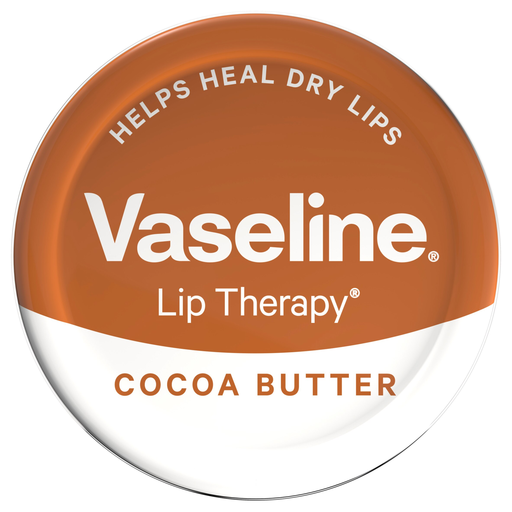
Why this fits the profile: The formula with petrolatum and cocoa butter is clearly described, and the 20g tin is easy to take with you.
The product information mentions no SPF or strong colour promise. So you’re deliberately choosing a protective, glossy layer rather than extra appearance.
20g content, tin packaging, petrolatum and Theobroma Cacao Seed Butter according to the ingredients list.
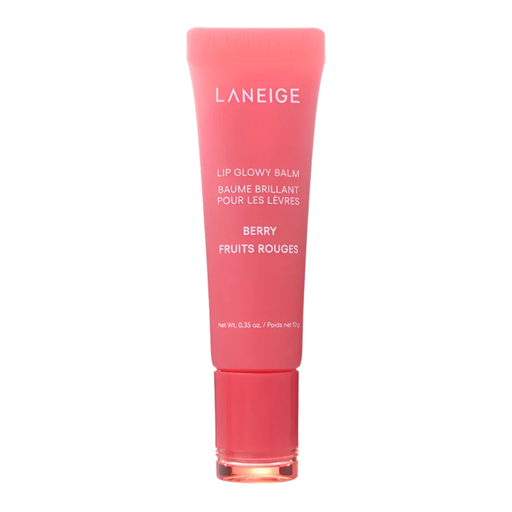
Why this fits the profile: This Korean lip balm combines a tube, subtle berry tint and glossy finish for daily use.
The product details explicitly state that no SPF is present. Shea butter and murumuru butter are also clearly included in the description and ingredients list.
10g content, tube, berry colour, glossy finish and ingredients such as shea butter and murumuru butter.
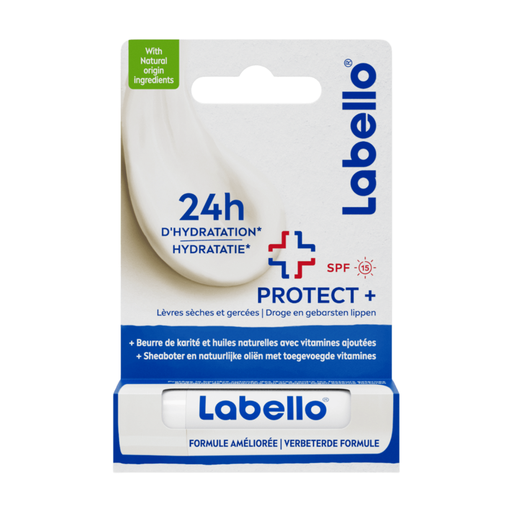
Why this fits the profile: Suitable for anyone looking for a lip balm with SPF for daily use in changeable British weather conditions.
The SPF factor is concretely stated as SPF15. So you don’t have to infer sun protection from general words like “protect”.
SPF15, shea butter, panthenol and vitamin E according to the product information; intended for regular reapplication.
We’ve put together a full, up-to-date list of products that fully meet these strict selection criteria and comply with current European safety regulations.
Choose a tinted lip balm if you want to combine a light colour with care. The Rom&nd Glasting Melting Lip Balm is available in, among others, Walnut Brew, Covered Rose, Moff Cream and Light Coral. The product descriptions mention a melting texture, plant oils and a non-sticky finish. Do check the chosen variant, because colour and undertone differ per number.
A glossy lip balm like Laneige Glowy Lip Balm Berry or Blueberry suits a fresh, subtle look. If you’re mainly looking for a nourishing lip care for very dry lips, products with beeswax, honey, shea butter or oils may be a more logical choice. Nuxe Rêve de Miel is described in the product information as a formula for dry and damaged lips; this is a brand claim, not a universal effect.
That depends on the product and your situation. Reapply when your lips feel dry or tight, and follow the instructions on the packaging. With a lip balm containing SPF, reapplying is especially relevant after eating, drinking or prolonged sun exposure.
Check the expiry date and the symbol for the period after opening on the packaging. Products differ in this regard. If the scent, colour or texture changes, or irritation occurs, stop using it. Store the balm in a cool, dry place and close a tube or pot properly after use.
Look for a formula with protective and emollient ingredients, such as petrolatum, waxes, shea butter or oils. Avoid products you know you react to and, for persistent, painful or inflamed symptoms, seek professional advice. A lip balm can support daily care, but does not replace a medical assessment.
