
Vandaag of morgen in huis

Kwaliteit gegarandeerd

Welkomstaanbiedingen ontgrendelen: GRATIS bezorging | Tot 80% korting | Gratis 30 dagen JoyPlus-proefperiode
Download de app
Dry lips feel tight, crack more easily in cold weather and can be tricky to wear with lipstick. Yet not every lip balm is right for every occasion. A glossy balm might feel nice during the day, but it’s less practical when you’re wearing a matte lipstick. A tinted lip balm adds colour, but doesn’t automatically offer sun protection. And a product with lots of fragrance may not be suitable for sensitive lips.
With this guide, you can compare lip balms based on texture, ingredients, when you use them and protection. That way, you avoid paying for packaging or marketing hype.
A lip balm can feel smooth without staying on your lips for long. Ingredients like petrolatum, waxes and certain oils form a layer that helps limit moisture loss. Other formulas focus more on a light, nourishing texture.
So don’t just look at words like “intensive” or “restorative”. Check the ingredients list and see whether the balm suits your needs: light for daytime or richer for night-time.
A regular lip balm doesn’t automatically protect against UV rays. If you’re looking for a lip balm with SPF, check the stated factor and whether UVA and UVB protection is mentioned. The Labello Med Repair Protect+ SPF15, for example, states SPF15 and advises reapplying, especially before sun exposure and in harsh weather.
An SPF balm doesn’t replace full sun protection. Reapply the product regularly, especially after eating or drinking.
Vanilla, rose, berries and citrus make a balm more appealing to use. However, fragrances or flavourings may be less suitable if your lips react quickly. If you have a sensitive skin, check the full ingredients list and stop using it if irritation occurs.
A tint also says nothing about the level of care. A tinted lip balm is mainly handy when you want to combine colour and shine with daily lip care.
For daytime, a non-sticky texture is often more pleasant. For dry or chapped lips, a thicker layer in the evening can be more practical.
Commonly used ingredients include shea butter, beeswax, sunflower oil, jojoba oil, castor oil, petrolatum and vitamin E. They have different functions: softening, making lips feel smooth or forming a protective layer.
“Natural” doesn’t automatically mean a product is suitable for everyone. Nuxe Very Rose, for example, states a formula with ingredients of natural origin, but also contains perfume. If you’re sensitive to fragrance, it’s wise to check the ingredients.
Compare the content in grams or millilitres, not just the price of the product. A compact 4g stick is handy for a coat pocket, while a 20g pot may be more suitable for regular use at home.
Also check the shelf life information on the packaging. For products with a period after opening, such as 12M, this means the product should be used within that time after opening, according to the packaging.
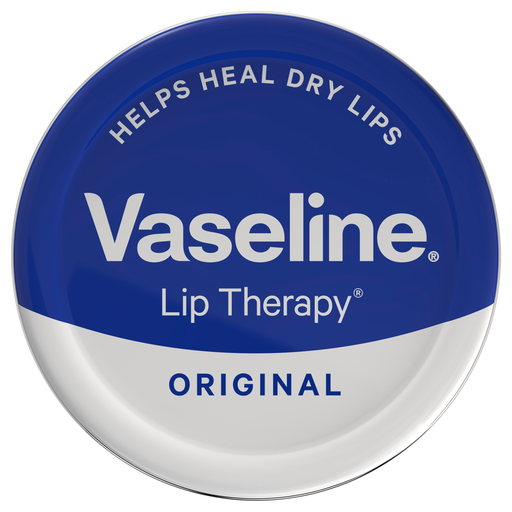
Why this suits the profile: The simple formula with petrolatum and the 20g content make this a practical choice for daily use at home.
The ingredients list is short, so you have fewer different components to compare.
20 g content; petrolatum as main ingredient; suitable for applying as needed.
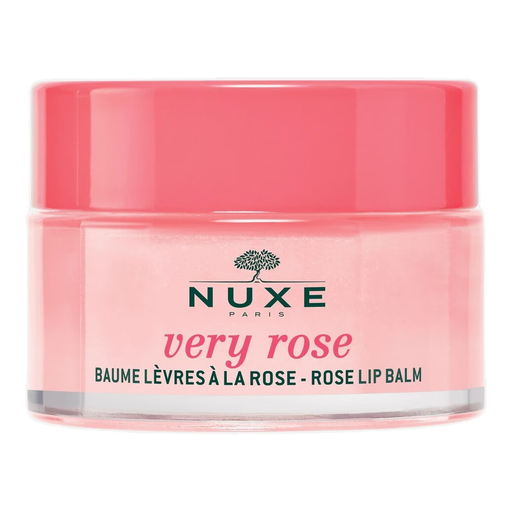
Why this suits the profile: The balm combines a melting texture with rose extract, shea butter and a subtle pink sheen.
The product information mentions a non-sticky finish, meaning it can also be worn under lipstick.
15 g content; rose oil extract and shea butter; can be used as an overnight mask.
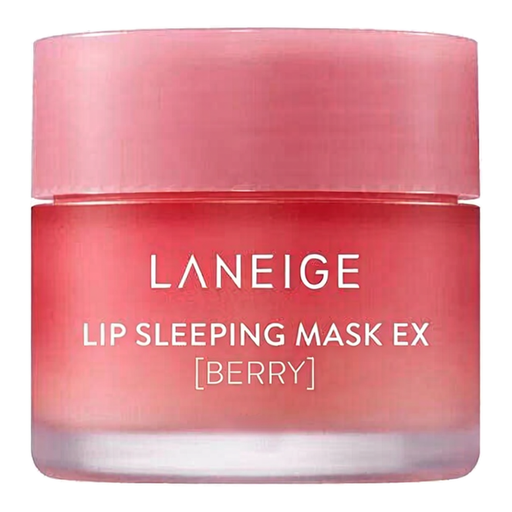
Why this suits the profile: For those who need to reapply often during the day, a separate night-time use offers a clear addition to daily lip care.
The rich formula is designed for a generous layer in the evening, not as a thin balm for every moment.
20 g content; applicator included; designed for use as an overnight lip mask.
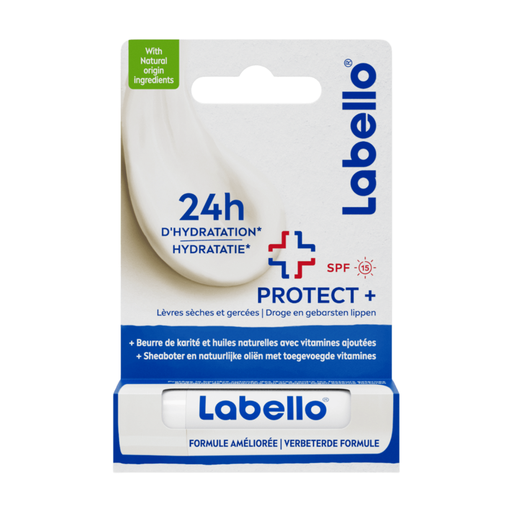
Why this suits the profile: A practical stick for those who want to combine hydration with an explicitly stated SPF15 during outdoor activities.
The SPF factor is clearly stated on the product information, so you don’t have to guess whether a balm contains UV protection.
SPF15; shea butter and natural oils listed; stick format for on the go.
We’ve put together a full, up-to-date list of products that fully meet these strict selection criteria and comply with current European safety regulations.
That depends on the formula and your circumstances. Reapply when your lips feel dry or tight. With a lip balm containing SPF, regular reapplication is important, especially after eating, drinking or prolonged sun exposure.
Choose a formula that feels comfortable and forms a protective layer, for example with petrolatum, waxes or butters. A rich product for night-time can be handy. Avoid ingredients that have caused irritation before, and have persistent or painful symptoms assessed.
Yes, when you want to combine colour and care. However, check that the tint, fragrance and finish fit your routine. A tinted balm with gloss gives a different result than a transparent, nourishing lip balm and only offers SPF when that is clearly stated on the packaging.
