
Vandaag of morgen in huis

Kwaliteit gegarandeerd

Welkomstaanbiedingen ontgrendelen: GRATIS bezorging | Tot 80% korting | Gratis 30 dagen JoyPlus-proefperiode
Download de app
Dry, chapped or cracked lips do not always need the same product. One lip balm is mainly designed to help prevent moisture loss, while another adds colour, shine or a pleasant flavour. However, if you only rely on words such as “intensive”, “natural” or “12-hour hydration”, you can easily choose a product that does not suit your everyday needs.
With this practical guide, you can consider the formula, packaging and finish you want. That way, you can find a hydrating lip balm for everyday use, a nourishing lip balm for dry lips or a tinted option that also works as light make-up.
Terms such as “repairing”, “nourishing” and “long-lasting protection” sound appealing, but they do not explain exactly how a lip balm will work for your situation. So, check the ingredients list and product information. Petrolatum, waxes and oils can form a protective layer. Shea butter, cocoa butter and plant oils are often used to create a comfortable, soft feel.
A brand claim is not a universal guarantee. A brand’s own research may state a particular duration of use or effect, but your experience may vary depending on the weather, how often you use the product and your sensitivity to certain ingredients.
A glossy lip balm or tinted lip balm can be convenient when you are out and about, but colour and finish are not the same as intensive lip care. Check whether the product is mainly intended as a cosmetic colour accent, for everyday hydration or as a richer balm for overnight use.
If you want a light, transparent look, a subtle tint is often all you need. For more noticeable colour, choose a buildable formula, such as a balm with medium coverage.
A pot may be compact, but you apply the balm with your finger. That is not convenient for everyone when out and about. A stick or click-packaging is quicker and more direct to use. Also consider the amount: a 4.8-gram pack contains less than a 20-gram tin, but may fit more easily into a coat pocket.
For dry lips, a formula that helps reduce moisture loss is often practical. Ingredients such as petrolatum, microcrystalline wax, shea butter and plant oils are commonly found in lip care products. They create a smoother feel and may leave a protective layer.
When choosing a lip balm for cracked lips, it is worth paying extra attention to fragrances and flavourings. A product containing perfume, flavouring or essential oils may be less comfortable for some people. Stop using it if irritation occurs and always check the current ingredients on the packaging.
Choose according to the look you want:
A colour can look different on different lips. Your natural lip colour, the amount of product and the number of layers all make a difference.
A stick is suitable for quick application without a mirror. A pot can be useful for applying a thicker layer in the evening, but you do need clean hands. A click mechanism, as found on some make-up balms, means you do not need to open a lid or pot.
Also check the period after opening and the information on the label. The manufacturer states the relevant date or period after opening on the packaging. Store lip care products in a cool, dry place, away from direct sunlight and out of the reach of children.
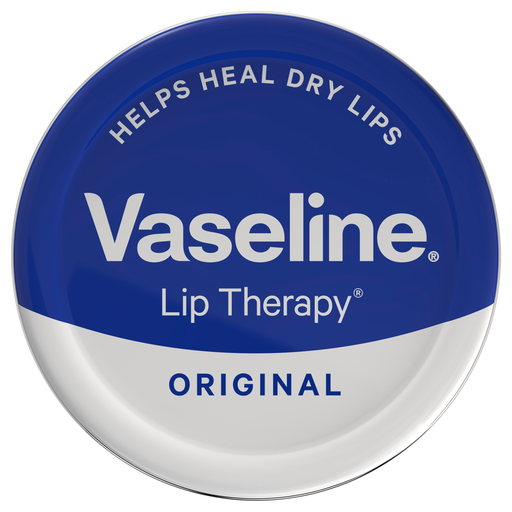
Why it suits this profile: The simple petrolatum-based formula is easy to understand for anyone buying a classic lip balm for the first time. The 20-gram tin is suitable for use at home or on the go.
The product information does not mention colour or a complex finish. You are therefore paying for a basic formula rather than additional cosmetic effects.
20 grams; petrolatum listed as an ingredient; suitable for applying as needed.
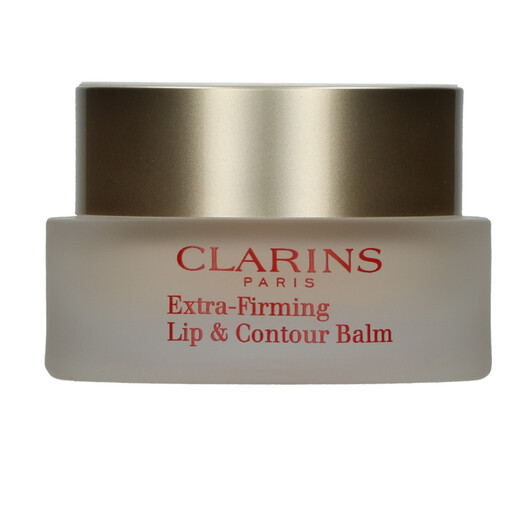
Why it suits this profile: This balm is intended for the lips and the skin around the lip contour. The pot packaging and 15 ml amount fit well into an established skincare routine at home.
The application instructions are clear: apply a small amount to the lips and lip contour in the evening or several times a day.
15 ml; shea butter and raspberry seed oil are listed in the product information; suitable for all skin types according to the stated specifications.
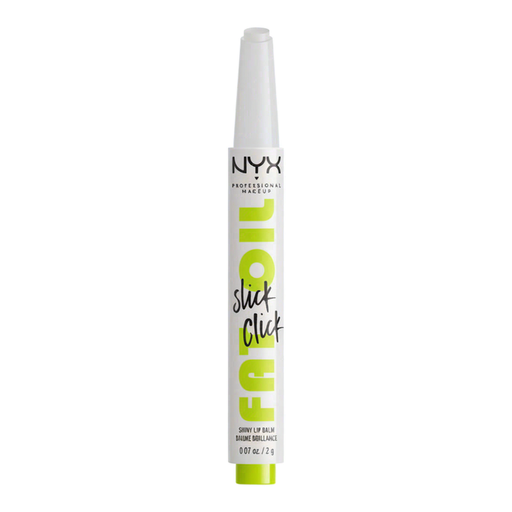
Why it suits this profile: The click packaging is practical for quick application, while the formula combines colour with shine. According to the product information, the texture is lightweight and vegan.
The colour is buildable, so you do not have to apply heavy coverage straight away. The click applicator means you do not need to use your fingers.
13 grams; click mechanism; glossy finish; avocado, raspberry seed and cloudberry oils listed in the product description.
We have put together a complete, up-to-date list of products that fully meet these strict selection criteria and the applicable European safety regulations.
Look for a formula containing ingredients that can form a protective layer, such as petrolatum, waxes or butters. If you have sensitive skin, preferably choose a product whose ingredients you can check carefully. A rich, colour-free balm is often more practical for evening use, while a stick is more convenient for repeated application during the day.
That depends on the product and your own needs. Apply a thin layer whenever your lips feel dry or tight. Follow the instructions for use on the packaging. A thicker layer may be suitable as an overnight treatment with some products, but avoid excessive rubbing on cracked or irritated skin.
No. Vegan refers to the formulation according to the manufacturer’s claim; it does not guarantee that the product is suitable for every user. Always check the current ingredients list for perfume, flavourings, colourants or other ingredients you may be sensitive to. Product information and packaging may vary between variants.
