
Vandaag of morgen in huis

Kwaliteit gegarandeerd

Welkomstaanbiedingen ontgrendelen: GRATIS bezorging | Tot 80% korting | Gratis 30 dagen JoyPlus-proefperiode
Download de app
Dry, chapped or cracked lips don’t automatically call for the most expensive lip balm. The difference often comes down to the formula, ease of use and the features you actually need. A tinted balm may look appealing, but it doesn’t always offer sun protection. A glossy lip balm may feel pleasant, but that doesn’t necessarily make it suitable for very dry lips.
As a Joybuy Product Recommendation Officer, I filter product information for features that can be verified. This helps you find lip care that fits your daily routine and avoid buying something that ends up unused in your bag after a few applications.
A tinted lip balm in shades such as berry, pink or nude can give your lips a well-groomed look. But the colour tells you little about its moisturising properties. Check whether the product description also mentions ingredients such as shea butter, plant oils, petrolatum or other emollients.
With a glossy lip balm, it’s also worth checking the texture. A shiny finish can feel comfortable, but if you dislike a sticky feel, look for a formula described specifically as lightweight or non-sticky.
Terms such as natural ingredients and vegan lip balm are only useful if they’re clearly stated in the product information. Check the ingredients list too. Beeswax, lanolin and certain animal-derived ingredients, for example, aren’t suitable for a vegan choice.
Look out for conflicting information between the packaging, product page and marketing copy. If you’re sensitive to fragrance or certain plant extracts, the full ingredients list matters more than a short claim on the front of the pack.
Not every lip balm protects against the sun. If the product specifications don’t state an SPF rating or “with SPF”, don’t assume that shea butter or oils alone provide sun protection.
A lip balm with SPF15 can be handy for everyday outdoor use. According to the product description, Labello Med Repair Protect+ has SPF15 and is designed for use before sun exposure and in cold or windy weather. Always check the current packaging and instructions for use.
For a lip balm for dry lips, emollient and protective ingredients are worth looking for. According to the product descriptions for various Vaseline products, petrolatum forms a barrier that helps lock in moisture. A product with shea butter or murumuru butter may be a good choice if you’re looking for a creamy, nourishing texture.
If you’re mainly after a subtle make-up look, consider:
Results can vary from person to person. Stop using the product if irritation occurs, and check the ingredients if you have any known allergies.
Lip balm with SPF is particularly useful on sunny days, when skiing, cycling or going for longer walks. Check the stated level of protection: “protective” without an SPF rating isn’t a clear SPF specification.
Balm wears off when you eat, drink and talk. So if you’re using an SPF product, reapplying is part of the routine. For its SPF15 variant, Labello says that regular reapplication is needed for continued protection, according to the product information.
A stick is handy for quick application without using your fingers. A 20-gram tin may be a good choice for home use, while a tube or compact stick is easy to slip into a coat pocket.
Compare the contents as well as the price:
Check the expiry information and period after opening on the packaging. Products you use every day are often more practical in a stick or tube. A tin can be handy to keep in one place at home.
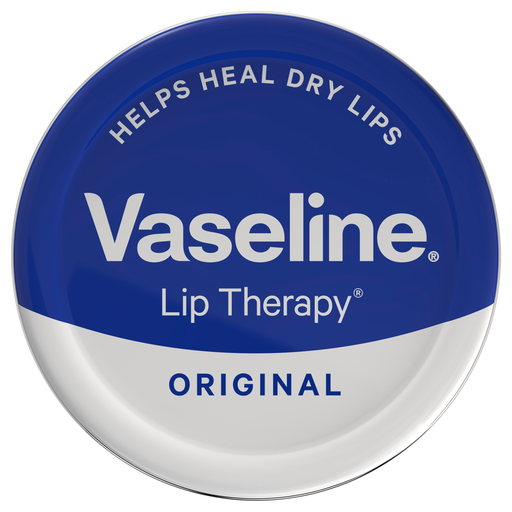
Why it suits this profile: A straightforward choice for everyday use, with 20 grams of balm in a compact pack for home or on the go.
The product description names one key ingredient, petrolatum, and makes no claims about colour or shine that might unnecessarily complicate your choice.
20 grams; described as dermatologically tested and paraben-free in the product specifications.
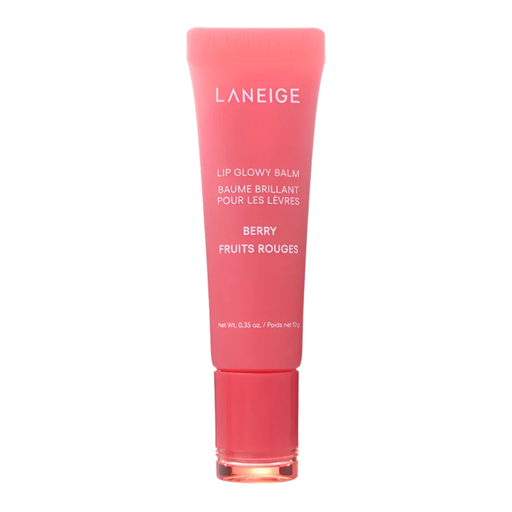
Why it suits this profile: For anyone who wants to combine lip care with a berry tint and a noticeable shine for daytime wear.
The colour and finish are listed alongside the caring properties, so you don’t have to mistake shine for the full benefits of lip care.
10 grams; tube; shea butter and murumuru butter in the ingredients list; subtle berry tint and glossy finish according to the product description.
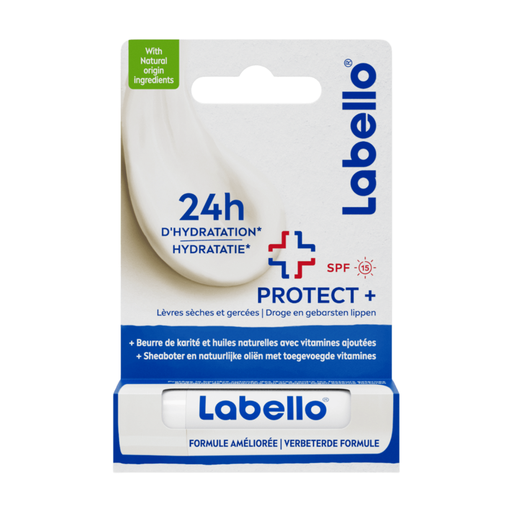
Why it suits this profile: A good choice if you want to combine lip care with a clearly stated SPF rating for outdoor activities.
The SPF15 rating is clearly specified, so there’s no need to guess whether an ordinary balm offers enough sun protection.
SPF15; shea butter and panthenol in the ingredients list; stick format for reapplication.
We’ve put together a full, up-to-date list of products that meet these strict selection criteria and the applicable European safety requirements.
Apply a moisturising lip balm whenever your lips feel dry or tight. You may need to reapply after eating or drinking, or in cold or windy weather. If you’re using a product with SPF, reapply as directed on the packaging.
Shelf life varies from product to product. Check the date on the packaging and the period-after-opening symbol, such as 12M or 24M. Store your balm somewhere cool and dry, out of direct sunlight. If its smell, colour or texture changes, stop using it.
No. Vegan describes the ingredients used; it doesn’t automatically mean the product will suit your skin. A vegan formula may still contain fragrance, essential oils or other ingredients that cause irritation for some people. Always check the full ingredients list.
