What should you look for when buying?
For a few napkins, a compact design and controlled steam matter most. For a large pile, tank capacity and the space required become more important. The Consumers’ Association explains the choice between a steam iron for lighter ironing and a steam generator for larger loads.
Steam iron
Suitable for: ironing a small amount of linen now and then, or if you have limited storage space.
Trade-off: the smaller tank may mean you need to refill it more often during a long ironing session.
Steam generator
Suitable for: ironing lots of napkins one after another, especially if a standard iron struggles to remove the creases.
Trade-off: the larger base needs more storage space and a suitable ironing board.
Dry ironing with a spray bottle
Suitable for: anyone who wants to iron without built-in steam, provided the care label says ironing is allowed.
Trade-off: there’s no built-in steam control or steam boost; lightly dampen the napkins, then iron them dry.
| What to consider |
What to look for when buying |
Who is this more important for? |
| Stubborn creases |
Check the care label and look for adjustable steam or a steam-off setting. Compare continuous steam output separately from the steam boost. |
If my main aim is to remove creases from linen, I want enough moisture and the option to iron the fabric dry afterwards. Around 42% of consumers prioritise crease removal. |
| Compact storage |
Compare the type of appliance and the storage space it needs; don’t choose based on a steam claim alone. |
If I’m only ironing a few napkins, I don’t want to make room for an unnecessarily large base. Around 25% of consumers prioritise lighter ironing and compact storage. |
| A large pile |
Compare tank capacity and ease of handling, and check whether your ironing board can support the base. |
For a long ironing session, I want to refill less often and have enough space for the appliance. Around 17% of consumers prioritise ironing lots of napkins one after another. |
| Protecting fabric and preventing limescale |
Follow the care label and check whether you can switch the steam off, as well as how to descale the exact model. |
If I want to avoid water marks and damage from the wrong setting, temperature and maintenance matter. Around 16% of consumers prioritise careful fabric care. |
Joybuy products
This selection includes handheld steamers and steam generators for clothes. Check whether each model is suitable for ironing linen napkins flat.
 No image available
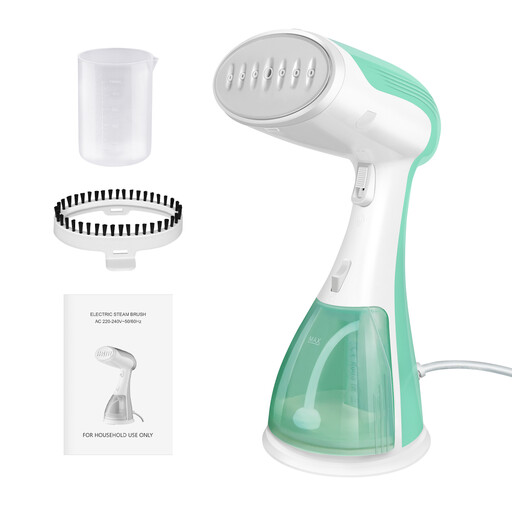
Handheld steam iron, 1500 W
A handheld model for anyone looking to treat a small number of napkins; check whether it’s suitable for ironing them flat.
The product description lists steam output of 27 g/min and a 300 ml tank.
View at Joybuy
 No image available
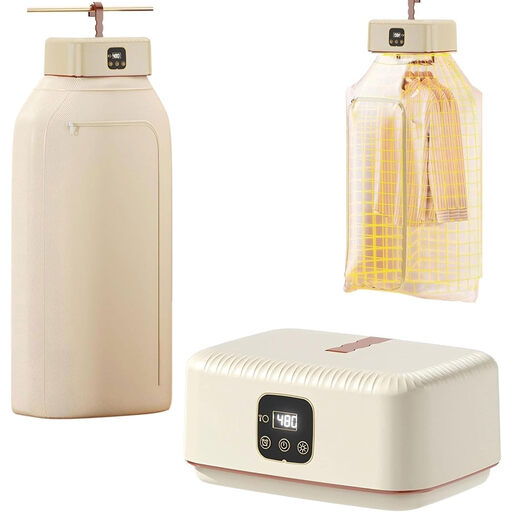
Portable automatic ironing and drying machine
The product description mentions vertical steaming. This isn’t the same as pressing napkins flat, so check that the method suits your needs.
The product title mentions an adjustable timer.
View at Joybuy
 No image available
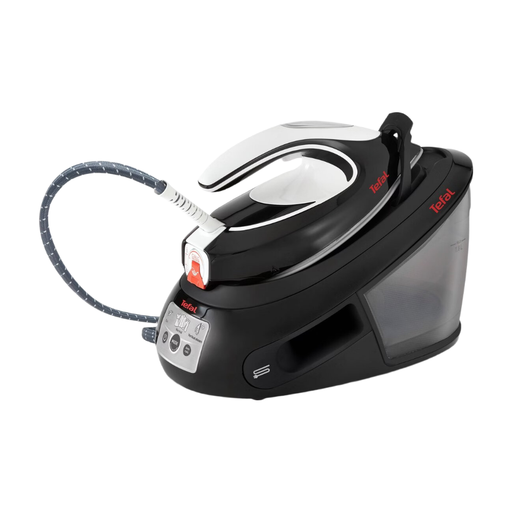
Tefal SV8055 Express Anti-Calc steam generator, 6,5 bar
A steam generator for anyone considering longer ironing sessions with fewer refills; make sure you have room for the base.
Listed specifications: 120 g/min continuous steam, a 450 g/min steam boost, a 1,8-litre tank and a limescale collector.
View at Joybuy
 No image available
Philips 3000 Series steam generator PSG3000/20, 2400 W
A steam generator for longer ironing sessions; check that you have room to store the larger base and tank.
Listed specifications: 120 g/min continuous steam, a 350 g steam boost and a 1,4-litre tank.
View at Joybuy
 No image available
Philips PerfectCare Compact Essential steam generator GC6842/30
A steam generator for anyone planning longer ironing sessions; check that the tank capacity and storage space suit your needs.
The product description lists a 1,3-litre tank and over an hour of use. Features include OptimalTEMP, automatic switch-off and Smart Calc-Clean.
View at Joybuy
Frequently asked questions
How do you iron linen napkins without storing them while they’re damp?
Start by following the care label. Iron the fabric while it’s slightly damp, use steam if needed, then iron without steam until the napkins are dry. Leave them to cool completely before putting them away. The Consumers’ Association advises following the care instructions.
Should you always use the hottest setting for linen?
No. The care label on the specific napkin tells you the permitted ironing temperature. Choosing a high setting based only on the fibre name could damage a finish or a blended fabric.
How can you prevent limescale problems with a steam iron?
Follow the instructions for your exact model. For example, Tefal warns against using vinegar or descaling products in the steam tank, and distinguishes between cleaning an anti-scale rod and maintaining the tank.
What product safety rule applies to an electric iron in the Netherlands?
Electrical products placed on the market in the Netherlands must carry the CE marking. The Dutch government’s Business Portal explains that manufacturers use it to declare that a product meets the applicable requirements; it isn’t an independent test of the individual appliance. The Netherlands Food and Consumer Product Safety Authority explains the applicable requirements.
What can you do if an iron bought online disappoints you or breaks too soon?
For online consumer purchases in the Netherlands, you generally have a 14-day cooling-off period from delivery, subject to legal exceptions. According to ACM ConsuWijzer, your statutory rights are separate from any manufacturer’s warranty: if the appliance doesn’t meet what you could reasonably expect under normal use, the seller must offer an appropriate solution.


