
Vandaag of morgen in huis

Kwaliteit gegarandeerd

Welkomstaanbiedingen ontgrendelen: GRATIS bezorging | Tot 80% korting | Gratis 30 dagen JoyPlus-proefperiode
Download de app
Limescale on taps, tiles, shower screens or inside appliances does not always call for the same cleaning product. A bathroom descaler is designed for different uses from a coffee machine descaler. Yet many products look similar because of terms such as “powerful”, “instant action” or “no scrubbing required”.
The main pitfalls are clear:
Decide where you want to remove limescale:
A product with a clearly stated application reduces the risk of incorrect use. Always check the appliance manual. Manufacturers may prescribe a specific product or dosage.
Limescale remover often contains acids or other ingredients that dissolve limescale. However, this action can also affect sensitive materials. Always read the warnings on the label before you start.
Pay particular attention to:
If in doubt, test the product on an inconspicuous area first. Do not leave a product to work for longer than stated on the packaging. Some products must be rinsed off, while others are designed for daily use without rinsing. These instructions are not interchangeable.
A 750 or 800 ml bottle is practical for regular bathroom maintenance. A larger size may be more economical if you are cleaning several rooms, but only if the product is suitable for those applications.
Also consider:
According to information provided by brands such as Ajax, Antikal and WC Eend, their products can remove limescale, soap scum or stains. These are manufacturer claims; the final result also depends on the surface, the age of the deposits and whether the instructions for use are followed.
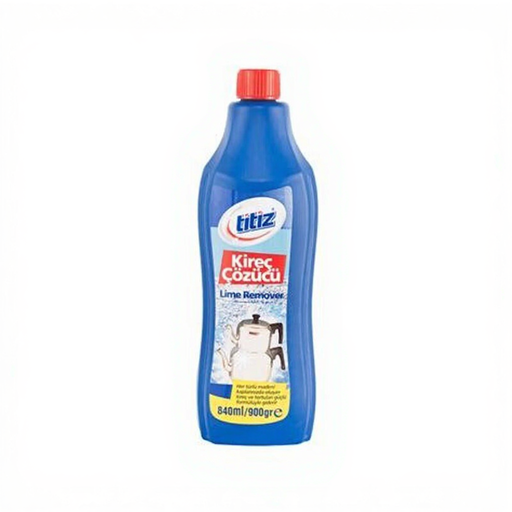
Why it suits this profile: The 900 ml size is practical for households looking for a kitchen descaler for regular maintenance of appliances and surfaces where the label permits its use.
Its use as a kitchen descaler is clearly stated. However, check the appliance manual and the instructions on the packaging beforehand.
900 ml capacity; specifically described as a kitchen descaler for limescale maintenance in the kitchen.
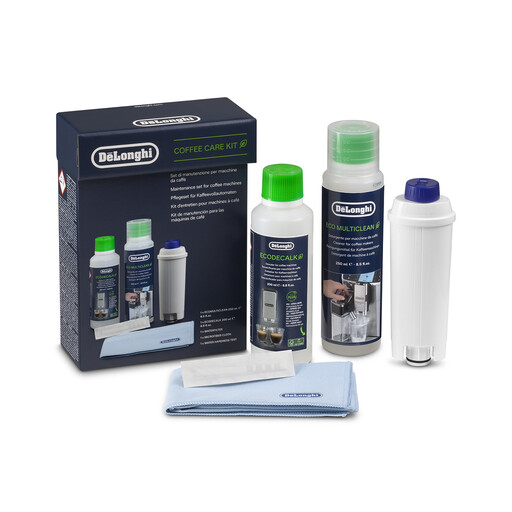
Why it suits this profile: For owners of a De'Longhi espresso machine who want to organise descaling and several maintenance tasks in one kit.
This is not a general limescale spray, but a maintenance kit for coffee machines. It includes 200 ml of EcoDecalk, a water filter and a hardness test strip, among other items.
5 components; suitable for an espresso or coffee machine; includes a filter, cleaner, cloth and test strip.
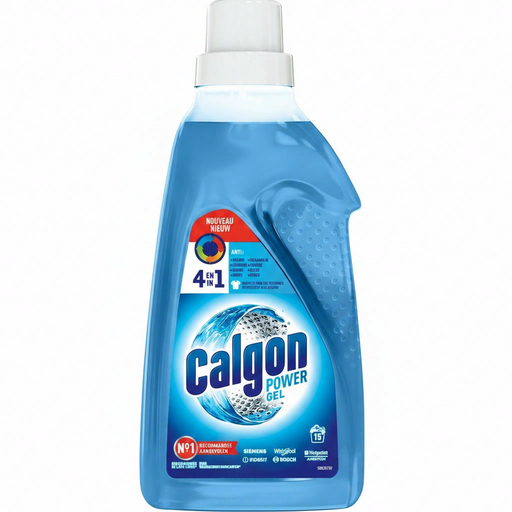
Why it suits this profile: Designed for households that want to maintain their washing machine regularly and are looking for a product that, according to the description, combines anti-limescale, anti-residue and anti-odour functions.
Its use for washing machines is clearly stated. This reduces the risk of using a bathroom product in an appliance it was not designed for.
750 ml gel; 4-in-1 product description; intended for periodic washing machine maintenance.
When using a bathroom descaler, first remove loose dirt with a dry cloth. Then apply the product according to the label, allow for the stated contact time and rinse thoroughly when instructed to do so. Ventilate the room and wear protective gloves if this is stated on the packaging.
For daily maintenance, a product with a shorter contact time can be useful. Old limescale deposits may require repeated treatment. Do not use a scouring pad on delicate taps or glossy surfaces, as this can cause scratches.
Use a toilet descaler only as directed on the bottle. Never mix cleaning products. Mixing them with bleach in particular can produce dangerous fumes. For products with hazard warnings, such as serious eye irritation or harmful if swallowed, the safety instructions take precedence.
Choose a product that lists bathroom, sanitaryware or similar surfaces as suitable applications. Then check that your tiles, tap or shower screen is not made from an acid-sensitive material. A limescale spray is convenient for targeted use, but it is not automatically suitable for natural stone.
Follow the machine’s notification and the manufacturer’s instructions. The hardness of the water in your area and how often you use the machine will also determine how frequently maintenance is needed. A kit such as the De'Longhi Coffee Care Kit contains a water hardness test strip and a filter; according to the product information, the filter should be replaced every two months.
This is not recommended unless the packaging expressly states that it is suitable. A washing machine descaler is developed for a washing machine’s maintenance programme. Always check the appliance and product instructions before adding any cleaning product.
We have put together a complete, up-to-date list of products that fully meet these strict selection criteria and the applicable European safety regulations.
