
Vandaag of morgen in huis

Kwaliteit gegarandeerd

Welkomstaanbiedingen ontgrendelen: GRATIS bezorging | Tot 80% korting | Gratis 30 dagen JoyPlus-proefperiode
Download de app
Limescale on your shower screen, tap, tiles or in your coffee machine doesn’t always call for the same product. A bathroom spray, for example, isn’t automatically suitable as a kitchen descaler or coffee machine descaler. If you only look at the packaging or the large bottle size, you could end up spending money on a product that isn’t right for the job.
The main pitfalls to avoid when buying a limescale remover are:
Many limescale removers contain acids. This makes them suitable for certain types of limescale, but not automatically for every surface. Always check the label and instructions before use.
Take particular care with:
A product such as 3G Professional Device Descaler 500ml explicitly advises against use on acid-sensitive materials. If in doubt, test the limescale cleaner on an inconspicuous area first. Also, don’t let an anti-limescale spray dry on the surface if the instructions advise against it.
A spray is handy for shower screens, taps, sinks and tiles. A gel stays on vertical surfaces for a little longer, which can be useful for stubborn build-up. Liquids or descaling tablets are usually more suitable for appliances, as you can measure them out according to a set programme.
Examples:
A 750 or 900 ml bottle may look appealing, but its real value depends on how much product you use per treatment. For an appliance, the correct dosage and compatibility matter more than the bottle size.
For coffee machines, check:
Never use a bathroom descaler in a coffee machine unless the manufacturer explicitly says you can. Cleaning product residue must not come into contact with food or drink.
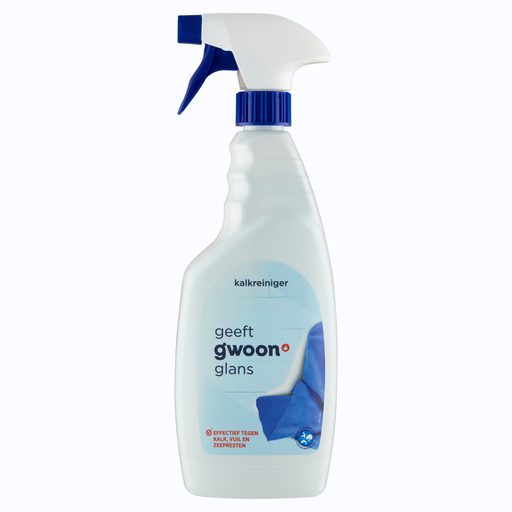
Why it suits this profile: The 750 ml bottle is a straightforward choice for regular maintenance of suitable household surfaces.
The product information clearly states what type of product it is and how much it contains. Check the label yourself for material suitability and dosage.
750 ml; liquid formula in a bottle; designed as a limescale remover for household use.
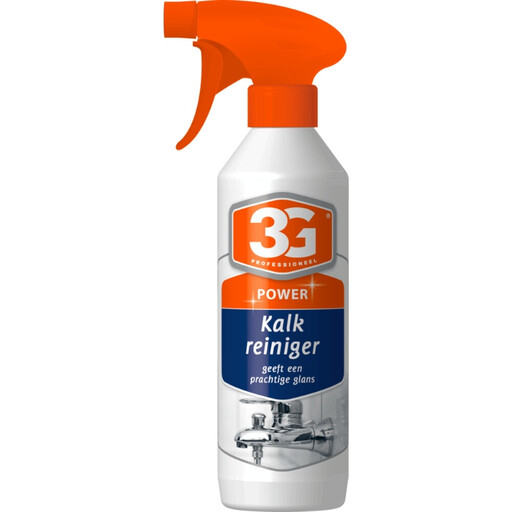
Why it suits this profile: The foaming nozzle and clear instructions are handy if you want to target bathroom fittings and surfaces.
The description specifies which surfaces are suitable and which materials to avoid, reducing the risk of using it incorrectly.
500 ml; foaming nozzle with child-resistant lock; suitable for shower screens, taps, baths and sinks, among other surfaces.
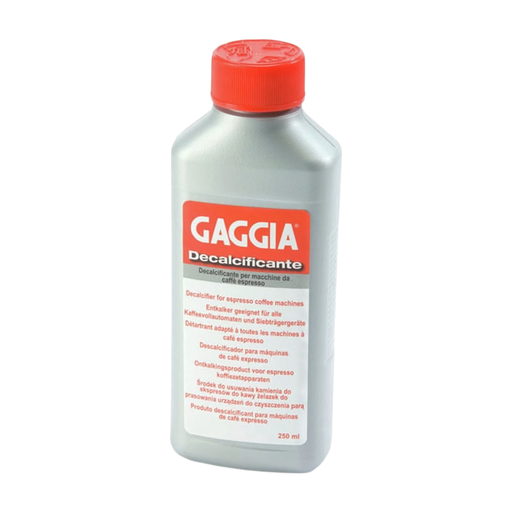
Why it suits this profile: This liquid descaler is designed for espresso and coffee machines, making it a good fit for people who maintain their appliance on a regular schedule.
The instructions say to dilute it with water and follow the descaling programme, making it clear that this isn’t a general bathroom cleaner.
250 ml liquid; suitable for espresso and coffee machines; instructions for dilution and rinsing.
We’ve put together a complete, up-to-date list of products that meet these strict selection criteria and the applicable European safety regulations.
Read the label before use, ensure the room is well ventilated and wear gloves if advised on the packaging. Never mix a descaler with bleach, ammonia or other cleaning products. Some products can cause serious eye or skin irritation.
When using a spray:
Always follow the appliance manufacturer’s instructions. For descaling tablets, the dose for each programme matters more than the size of the pack. A cleaning tablet for coffee oils is not a substitute for a descaler.
It depends on the water hardness, how often you use the machine and the manufacturer’s recommendations. Some products suggest an interval of around two to three months, but your machine’s maintenance programme should take priority. A water filter can help reduce limescale build-up, but it won’t remove the need for maintenance altogether.
Only if the label lists both uses and the product is suitable for the materials involved. A shower descaler isn’t automatically suitable for a kettle, coffee machine or worktop. Pay particular attention to the warnings if you have natural stone, metal or coated surfaces.
Wipe shower screens, taps and tiles dry after use, and remove water droplets regularly. Use a suitable anti-limescale spray for maintenance if the label says it’s safe to do so. For appliances, stick to a regular descaling schedule, use the correct dose and consider a compatible water filter.
