
Vandaag of morgen in huis

Kwaliteit gegarandeerd

Welkomstaanbiedingen ontgrendelen: GRATIS bezorging | Tot 80% korting | Gratis 30 dagen JoyPlus-proefperiode
Download de app
Online you’ll find a wide range of lime products: from a refreshing lime drink and lemon-lime fizzy pop to lime syrup, lime tea, lime pickle and cleaning products with a lime fragrance. That broad choice is handy, but it makes comparing more difficult. A striking packet tells you little about sugar content, volume, ease of use or shelf life.
The right choice depends mainly on when and how you plan to use it. Are you looking for a drink for home, a flavouring for Asian dishes, a sugar-free lime drink for everyday use or a lime cleaning product for the bathroom? Then check the following points first.
A lemon-lime fizzy drink can consist mostly of carbonated water, food acids and flavourings. That’s not necessarily a problem, but the product tastes different from a drink that actually contains lime juice. So look on the label for:
Teisseire Lemon Lime Syrup, for example, states 20% fruit juice from concentrate, of which 10% lemon and 10% lime. According to the product information, the syrup contains less than 0.5 grams of sugar per 100 ml, but it does contain sweeteners.
A large size can be economical if you use it regularly, but not if a bottle or carton sits around for a long time after opening. Pay attention to the portion size and storage instructions. A 1.5-litre bottle of 7UP suits a household or a gathering, while a 250 ml carton is easier to take chilled on the go.
Once opened, drinks often need to be kept chilled and consumed within the stated period. Always check the packaging, because recipes and instructions can change.
A sugar-free lime drink may contain sweeteners. Sprite Zero Sugar Lemon-Lime states 0 grams of sugar per 100 ml, but according to the ingredients list it contains acesulfame K and aspartame. The label also states that the product contains a source of phenylalanine.
For sports drinks and supplements, the dosage, minerals and warnings are more important than just the lime flavour. Use an electrolyte lime drink only according to the instructions on the label.
Don’t just compare the price per pack, but also the price per litre, can or portion. A few practical examples:
For a family, a multi-pack can be convenient. For occasional use, a smaller size is often more manageable.
Compare the nutritional values per 100 ml. The differences can be significant:
With syrup, also pay attention to the recommended dilution. The nutritional value of the prepared drink may differ from that of the undiluted syrup.
A lime pickle often contains a lot of salt and sometimes allergens. Sunlee Salted Lime contains, according to the product information, lime, water and salt, with 8 grams of salt per 100 grams. Patak’s Hot Lime Pickle contains mustard among other ingredients and may contain traces of peanuts and nuts.
For a lime cleaning product, the surfaces it can be used on, the dosage and the safety instructions are important. Ajax All-Purpose Cleaner Lime is suitable, according to the product information, for floors, tiles and bathrooms, among other things. For surfaces that come into contact with food, you must rinse with drinking water according to the instructions.
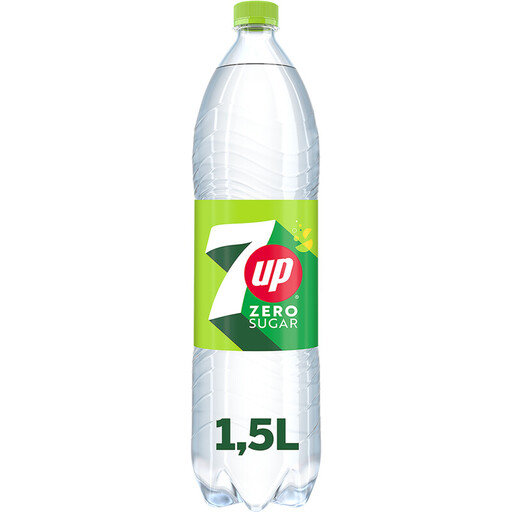
Why this fits the profile: A recognisable bottle for home, with a 1.5-litre capacity and a lemon-lime flavour. According to the product information, the drink contains less than 1 kcal per 100 ml.
The packaging and nutritional information make the sugar content clear. However, be aware of the sweetener aspartame and the source of phenylalanine.
1.5-litre capacity; 0 grams of sugar per 100 ml according to the label; suitable for serving chilled at home.
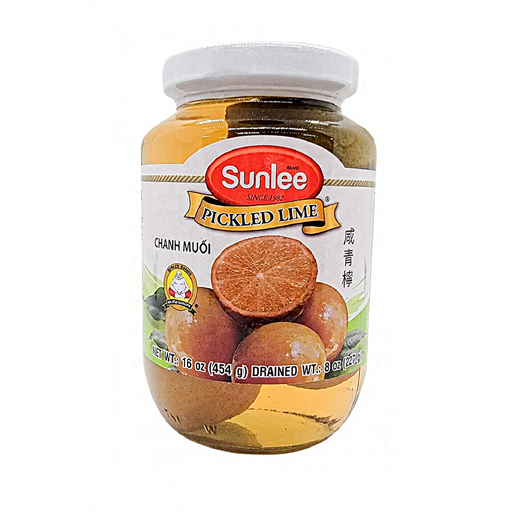
Why this fits the profile: This jar is aimed at fans of Asian lime products and home cooks looking for a distinctive flavouring for curries, sauces, salads and dressings.
It’s not a sweet lime drink, but a clearly described ingredient with lime, water and salt. This way you buy a product that suits the intended use.
454 g capacity; traditionally pickled whole limes; no artificial colours or preservatives according to the product information.
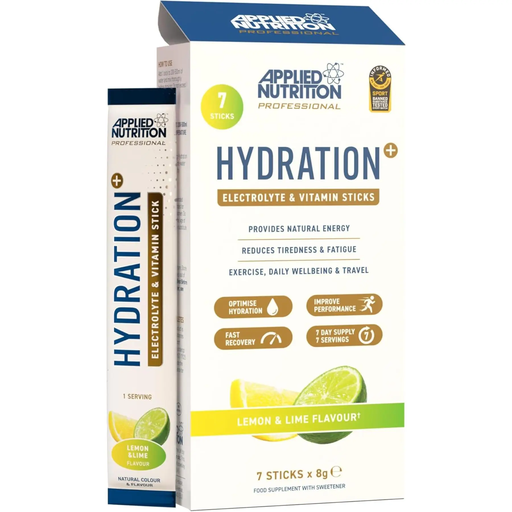
Why this fits the profile: Individual sticks are practical for sport, travel or on the go. One stick is dissolved in 200 to 500 ml of water according to the product instructions.
The portion is pre-measured. However, do check the warnings: the manufacturer states a maximum of one stick per day and advises against the product for children and young people under 18.
7 sticks of 8 grams; approximately 1,190 mg of electrolytes per stick according to the product information; suitable for vegans and free from gluten and dairy according to the manufacturer.
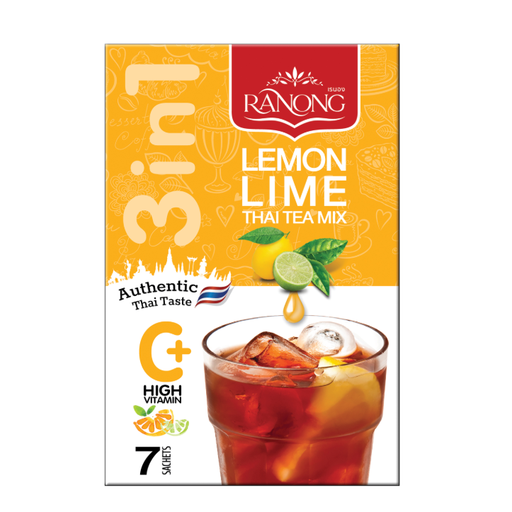
Why this fits the profile: An option for those who want to drink lime tea both hot and with ice, and are looking for a Thai flavour.
The preparation method is specific: one sachet of 25 grams with 150 ml of hot water, or chilled with ice. This makes the portion easy to adjust.
7 individual sachets; 20% lime powder according to the ingredients list; suitable for hot and cold preparation.
We’ve put together a full, up-to-date list of products that fully meet these strict selection criteria and comply with current European safety regulations.
Lime squash is usually ready-to-drink and can be consumed straight away. Lime syrup needs to be mixed with water. With syrup, check the recommended dilution, the juice percentage, the sweeteners and the nutritional value of the prepared drink.
Store an unopened jar according to the label in a cool, dry place, away from sunlight and heat. Seal the jar well after opening and follow the instructions on the packaging. Use a clean spoon to limit contamination.
That varies from product to product. Look at the recommended dosage, the salt and mineral content and any warnings. For the Applied Nutrition product, a maximum of one stick per day is stated. Food supplements do not replace a varied diet; if you are taking medication or have a chronic condition, it is advisable to consult a doctor or pharmacist.
