
Vandaag of morgen in huis

Kwaliteit gegarandeerd

Welkomstaanbiedingen ontgrendelen: GRATIS bezorging | Tot 80% korting | Gratis 30 dagen JoyPlus-proefperiode
Download de app
If you game competitively, you know that every millisecond and every gram counts. A heavy or slow mouse can be the difference between a winning gunfight and a frustrating loss. However, the market for high-performance gaming gear is vast and saturated with marketing jargon. This guide is designed to help you make an informed choice. We'll focus on the specifications that truly matter for a lightweight wireless gaming mouse, so you can find the right hardware for your playstyle.
Before we dive into specific models, here are a few key points to consider. These specifications are often decisive for esports athletes.
For fast-paced games like FPS and MOBAs, a light mouse is often an advantage. A mouse under 60 grams makes quick, sweeping movements (flicks) easier and reduces fatigue during long gaming sessions. The shape should suit your grip style (palm, claw, or fingertip). A pro gaming mouse is often designed in collaboration with esports athletes to achieve the most balanced and comfortable design possible.
The sensor is the heart of your mouse. High DPI (Dots Per Inch) is one thing, but the accuracy and consistency of the tracking are more important. An even more crucial factor for an esports mouse is the polling rate, measured in Hertz (Hz). This indicates how often the mouse reports its position to the computer. The standard is 1000 Hz (every 1 ms), but an 8000Hz wireless gaming mouse reports every 0.125 ms. This results in extremely smooth cursor movement and minimal delay between your physical movement and the on-screen action.
The fear of lag with a wireless mouse is a thing of the past. Brands like Razer (HyperSpeed) and Logitech (LIGHTSPEED) offer wireless technology that is indistinguishable from a wired connection in terms of speed and stability, even in environments with heavy wireless traffic. Keep an eye on battery life, but most modern models last for dozens, if not hundreds, of hours on a single charge.
Below is a selection of models that excel in weight, performance, and technology.
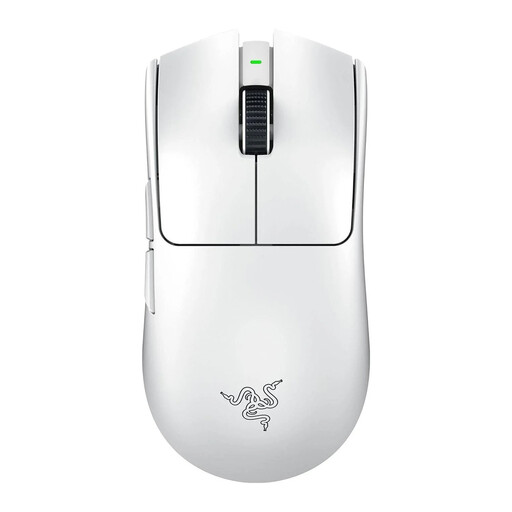
Why It Stands Out: The Razer Viper V3 Pro is a symmetrical esports mouse developed in collaboration with professional gamers. Weighing just 54 grams and focusing on pure performance, it's a popular choice for players who demand speed and precision. The combination of the Razer Focus Pro 35K Optical Sensor and 8000 Hz HyperPolling wireless technology ensures exceptionally smooth and responsive tracking.
Pros:
Who Is It For? The competitive FPS gaming mouse player looking for an ultralight, symmetrical mouse with the most responsive wireless technology currently available.
Check out the Razer Viper V3 Pro here
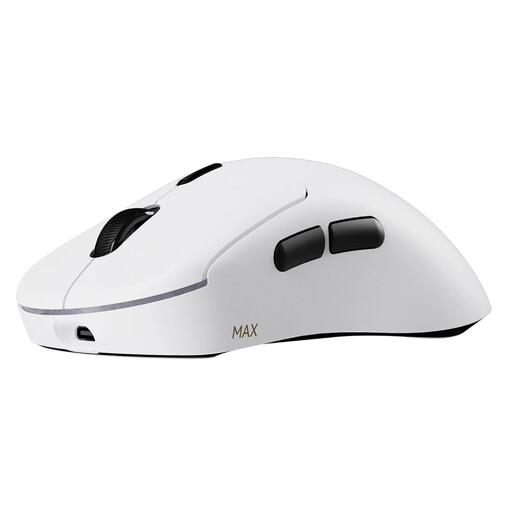
Why It Stands Out: The RAPOO VT3 MAX combines an extremely low weight of 53 grams with impressive battery life. According to the manufacturer, the battery lasts up to 750 hours in low-power mode (at 1000Hz), thanks to the efficient Nordic nRF54L15 MCU. Furthermore, like top models from other brands, this mouse offers a native 8000 Hz wireless polling rate, ensuring top-tier performance without extra dongles or software algorithms.
Pros:
Who Is It For? For gamers seeking an ultralight mouse with a focus on very long battery life, without compromising on polling rate and performance. The extra programmable buttons also make it versatile for games beyond just FPS.
Check out the RAPOO VT3 MAX here
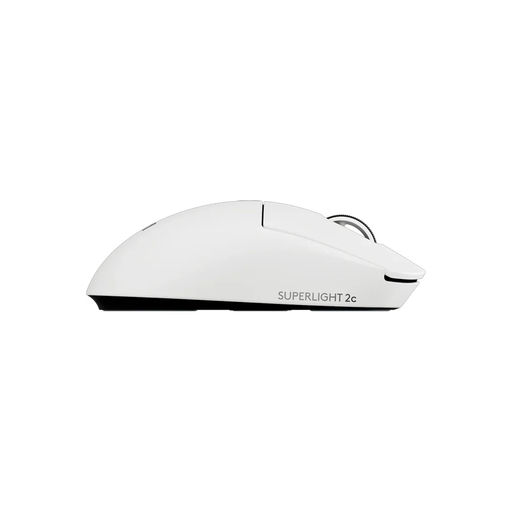
Why It Stands Out: The Logitech G PRO X Superlight has been an icon in the esports world for years. The Superlight 2c is a more compact variant, designed for players with smaller hands or a specific grip style. Weighing 53 grams and featuring the new HERO 2 sensor, this mouse delivers the performance you'd expect from a pro gaming mouse. Its LIGHTSPEED wireless technology now also supports a polling rate up to 8 kHz, which Logitech claims ensures a reliable and responsive experience.
Pros:
Who Is It For? For gamers who prefer a more compact mouse due to their hand size or grip, but still want the absolute top-tier performance of the Logitech G PRO line. An excellent white gaming mouse for serious competition.
Check out the Logitech G PRO X Superlight 2c here
The color white is popular for a clean setup. Is a white gaming mouse exactly what you're looking for, but you want to compare more options based on shape, brand, or price? Countless other models are available that might better suit your specific needs.
Polling rate indicates how often your mouse reports its position to your computer. A standard gaming mouse has a polling rate of 1000 Hz, meaning it sends an update 1,000 times per second (every 1 millisecond). A mouse with 8000 Hz does this 8,000 times per second (every 0.125 milliseconds). For competitive games where reaction speed is crucial, this lower latency can provide a noticeably smoother and more direct response.
For many players, yes. A lighter mouse (usually under 60 grams) creates less resistance and inertia. This makes it easier to make fast, precise adjustments when aiming. It can also reduce fatigue in your wrist and arm during long gaming sessions. Ultimately, it remains a personal preference, but many professional FPS gaming mouse players opt for a lightweight model.
Not directly. Manufacturers of lightweight mice often use highly efficient sensors and wireless technology to optimize battery life. As the models above demonstrate, ultralight mice weighing 53-54 grams can still offer a battery life of 95 hours or even more. The efficiency of the components is a more significant factor for battery life than the weight alone.
