
Vandaag of morgen in huis

Kwaliteit gegarandeerd
Download de app
Categorieën

In the world of high-end gaming gear, it's easy to make the wrong choice. For competitive gamers, especially in FPS titles, a mouse isn't just an accessory—it's an extension of their reflexes. A model that's slightly too heavy, has a millisecond of lag, or doesn't fit comfortably in the hand can mean the difference between victory and defeat. The specifications can be overwhelming, and the prices are often substantial. This article will help you make an informed decision for a lightweight wireless gaming mouse based on factual parameters.
To avoid a poor purchase, it's essential to understand the key specifications. These features define the performance of a professional-grade gaming mouse.
Below is a selection of models that stand out for their technical specifications. These recommendations are based on the product parameters provided by the manufacturers.
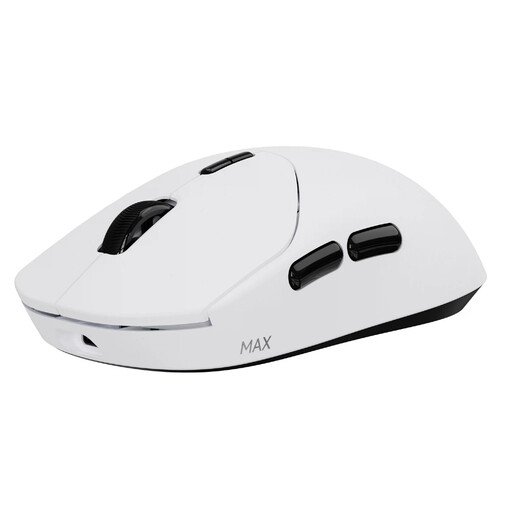
Why We Chose It The RAPOO VT2 MAX combines an extremely low weight with exceptional battery life and a native 8K wireless polling rate. This makes it a technically advanced option for gamers who demand top-tier performance without the hassle of constant recharging.
Key Features
Who It's For This mouse is ideal for the competitive gamer who wants the latest technology, like an 8K polling rate, but also values extremely long battery life and the convenience of less frequent charging.
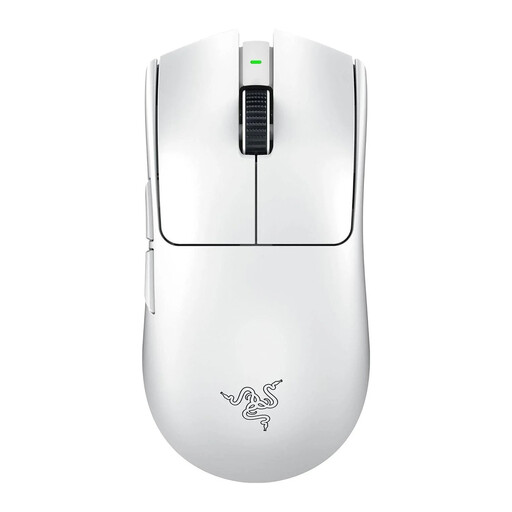
Why We Chose It The Razer Viper V3 Pro was developed in collaboration with professional esports athletes. Its symmetrical design and focus on pure performance make it a popular choice in the pro scene, especially as a gaming mouse for FPS.
Key Features
Who It's For The serious esports player seeking a mouse validated by professionals. The focus here is on absolute precision and responsiveness, where the slightly shorter battery life (compared to the Rapoo) is an acceptable trade-off for its proven shape and technology.
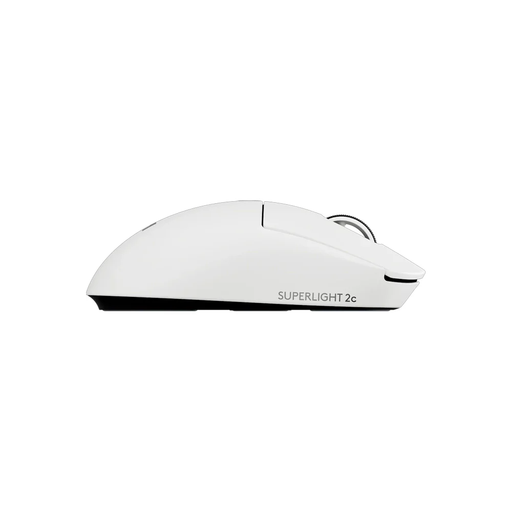
Why We Chose It The Logitech G PRO X Superlight series is an icon in the world of lightweight gaming mice. This '2c' version is a more compact variant, specifically designed for gamers with smaller hands or a specific grip style, without compromising on its renowned performance.
Key Features
Who It's For Gamers who want the proven performance and reliability of the Logitech PRO line but find a standard mouse too large. Its compact shape offers greater control for players with smaller hands or a 'claw' or 'fingertip' grip.
The models above focus on maximum performance, often with a minimalist aesthetic. If the color and look of your setup play an important role, and you're specifically looking for a white mouse to match your keyboard and case, there are more possibilities.
Check out our full collection of white gaming mice for a wider range of models to suit your style.
Is an 8000Hz polling rate worth it for gaming? For most gamers, 1000Hz is more than sufficient. However, an 8000Hz polling rate can offer a small but potentially noticeable advantage in cursor smoothness and response time. This is especially relevant for competitive players at the highest level using a high-refresh-rate monitor (240Hz or higher). It does, however, consume significantly more battery.
How important is the weight of a gaming mouse for FPS games? Very important. A lighter mouse allows you to react faster, track your target more accurately, and execute quick 'flick shots' with less effort. Long gaming sessions are also more comfortable, as there is less strain on your wrist and arm.
What is the difference between optical and mechanical mouse switches? Mechanical switches use a physical contact point to register a click, which provides a distinct, tactile feel. Optical switches use an infrared light beam. When you click, the beam is interrupted, which registers the click. This is faster, prevents unintentional double-clicks that can occur from wear and tear, and typically has a longer lifespan. The choice is often a matter of personal preference for the click feel.