
Vandaag of morgen in huis

Kwaliteit gegarandeerd

Welkomstaanbiedingen ontgrendelen: GRATIS bezorging | Tot 80% korting | Gratis 30 dagen JoyPlus-proefperiode
Download de app
In competitive games, every millisecond counts. A heavy, slow mouse can be the difference between a won firefight and a frustrating defeat. You know the feeling: your reaction is fast, but your mouse lags just a fraction behind. Or worse, the battery dies in the middle of a crucial match.
Finding the right lightweight wireless gaming mouse isn't a luxury; it's a necessity for anyone who takes their performance seriously. The market is flooded with technical specifications and marketing promises. This guide is designed to help you separate fact from fiction. We'll look at the specs that truly matter, so you can make an informed choice that fits your playstyle.
Before we look at specific models, it's helpful to know which features define an esports mouse. Here are three core points to consider.
An ultra-lightweight design is more than just a trend. A mouse that weighs less reduces resistance and fatigue in your wrist and arm. This allows you to react faster, correct your aim more accurately, and endure longer gaming sessions. Models around 53g offer a noticeable advantage in fast-paced FPS and MOBA games, where quick, repetitive movements are the norm.
The polling rate, expressed in Hertz (Hz), indicates how often the mouse reports its position to the computer. A standard gaming mouse often has a polling rate of 1000 Hz, meaning this happens 1000 times per second. An 8K polling rate mouse does this 8000 times per second.
The result is significantly smoother cursor movement and near-instant registration of your clicks and movements. This can give you a critical edge in situations where reaction time is everything. A native 8K connection, which works without extra software, ensures stable and reliable performance, even in environments with heavy wireless traffic like a tournament.
The fear of a dead battery is a well-known issue with wireless peripherals. A gaming mouse with long battery life is therefore essential. Some modern mice, equipped with energy-efficient chips, offer up to 750 hours of use at a 1000 Hz polling rate. This means you can game for weeks, if not months, without recharging.
Additionally, a programmable gaming mouse is a powerful tool. The ability to assign buttons to specific actions or complex macros can significantly speed up your in-game workflow. Look for mice with onboard memory, so your settings are saved no matter which computer you're playing on.
Based on the criteria above, we have selected a few models from the Rapoo VT series that stand out for their specifications.
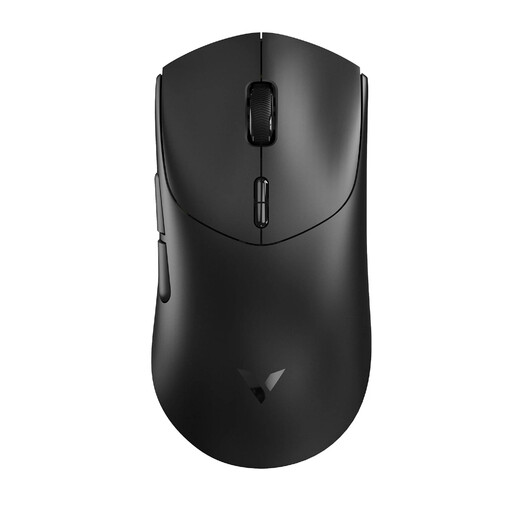
Why it stands out: The VT7 combines an ultra-lightweight design with the familiar feedback of mechanical switches. According to the manufacturer, these switches are designed for a lifespan of 100 million clicks, with a reduced chance of unwanted double-clicks.
Benefits:
Who is it for? For the competitive gamer who prefers the classic, tactile, and audible feedback of a mechanical switch but doesn't want to compromise on weight, speed, and battery life.
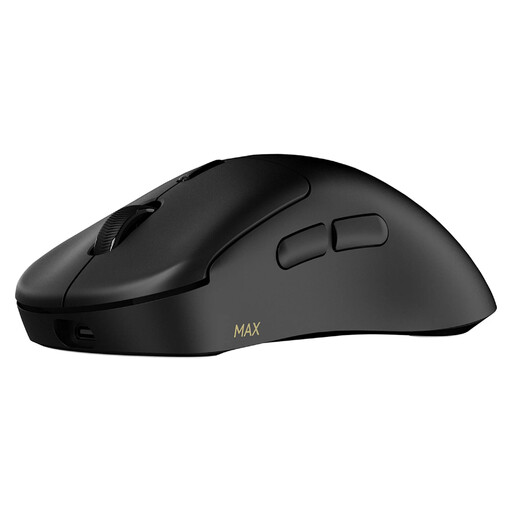
Why it stands out: The VT3 MAX shares many of the impressive specifications of the VT series but distinguishes itself with the use of optical switches. These register clicks with infrared light, which, according to Rapoo, eliminates the risk of double-clicks and has no debounce delay.
Benefits:
Who is it for? For esports athletes and serious gamers who demand absolute speed and reliability. The optical switches are ideal for those who want to eliminate any form of delay or mechanical wear.
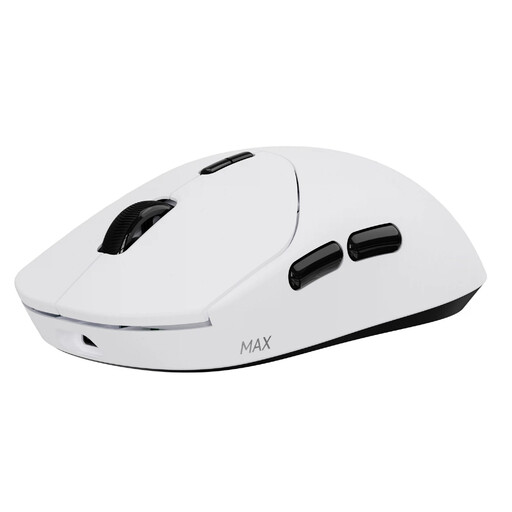
Why it stands out: The VT2 MAX offers the exact same technology and performance as the VT3 MAX, but in a sleek, white finish. It's a choice based on aesthetics, without sacrificing any technical advantages.
Benefits:
Who is it for? For the gamer who wants the technical advantages of the VT3 MAX—such as the optical switches and 8K polling rate—but prefers a white mouse that matches the rest of their setup.
A mouse is a crucial part of your setup, but it's not the only one. A stable connection and well-organised cabling are just as important for a flawless gaming experience. If you're looking for other components to optimise your setup, check out our range of Cable Switches and other accessories.
Polling rate is how often your mouse reports its position to your computer per second. An 8K (8000 Hz) polling rate ensures extremely smooth cursor movement and minimises the delay between your physical movement and the action on screen. For competitive gamers, this can make a noticeable difference in reaction speed.
For most fast-paced games, like FPS and MOBAs, yes. A lighter mouse reduces the physical effort required to move and aim. This leads to faster reactions, less fatigue during long sessions, and potentially more precision.
Mechanical switches use a physical contact point to register a click, which provides distinct tactile feedback. Optical switches use an infrared light beam. When you click, the beam is interrupted, which registers the click. This is typically faster because there is no physical delay (debounce) and it eliminates the chance of double-clicking due to wear. The choice depends on your personal preference for feel (mechanical) versus pure speed and durability (optical).
Written by the Joybuy Product Recommendation Officer
