
Vandaag of morgen in huis

Kwaliteit gegarandeerd

Welkomstaanbiedingen ontgrendelen: GRATIS bezorging | Tot 80% korting | Gratis 30 dagen JoyPlus-proefperiode
Download de app
For competitive gamers, every millisecond counts. A heavy, sluggish mouse can be the difference between victory and defeat. The search for the right lightweight wireless gaming mouse is therefore not a luxury, but a necessity for anyone who takes their performance seriously. The market is saturated with technical specifications and marketing jargon. This article cuts through the noise, providing a clear overview of key specifications to help you make an informed choice that suits your playstyle.
Before we dive into specific models, it's helpful to understand which specifications truly make a difference. Here are a few key points to guide your decision.
For fast-paced games like FPS titles, a lightweight mouse is crucial. A model under 60 grams reduces drag and makes quick, precise movements (flicks) easier. This leads to less fatigue in your wrist and arm during long gaming sessions. Additionally, the shape of the mouse should fit your hand comfortably and support your grip style, whether you use a palm, claw, or fingertip grip.
The sensor is the heart of a professional gaming mouse. A high DPI (Dots Per Inch) value, such as 30,000 or more, offers a wide range of sensitivity settings. Even more important is the polling rate, measured in Hertz (Hz). A standard gaming mouse has a polling rate of 1000 Hz, meaning it reports its position to the computer 1000 times per second. An 8K polling rate mouse does this 8000 times per second. This lowers input lag from 1 ms to 0.125 ms, resulting in smoother and more responsive cursor movement.
A wireless mouse offers freedom of movement, but you don't want the battery to die in the middle of a crucial match. A gaming mouse with long battery life is therefore essential. Pay attention to the estimated usage time provided by the manufacturer. A stable, interference-free 2.4 GHz connection is also vital, especially in environments with many other wireless devices, such as at a tournament.
Based on objective specifications, we have selected several models that are popular among esports athletes and serious gamers.
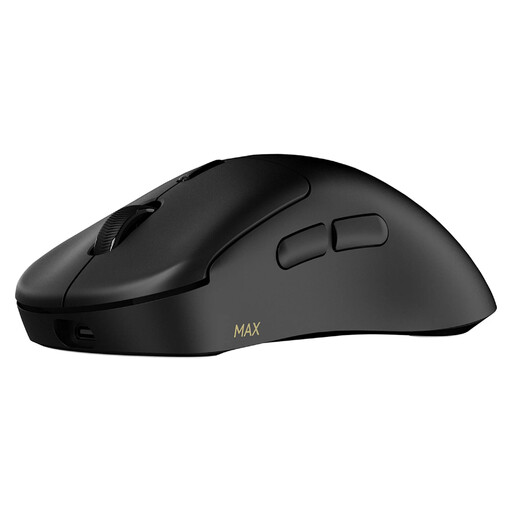
Why It Stands Out: The RAPOO VT3 MAX distinguishes itself with an exceptionally long battery life. According to the manufacturer, the battery lasts up to 750 hours in power-saving mode at 1000 Hz. It also offers a native True 8K wireless polling rate without requiring additional software or dongles.
Pros:
Who Is It For? This esports mouse is a strong option for gamers who play long sessions and don't want to constantly recharge. Its numerous programmable buttons also make it suitable for games that require more than standard inputs, such as MMOs or MOBAs, in addition to its strong performance as a mouse for FPS games.
View the RAPOO VT3 MAX on Joybuy.nl
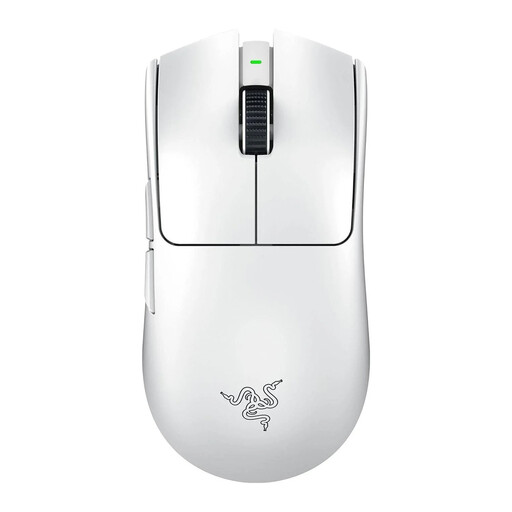
Why It Stands Out: The Razer Viper V3 Pro was developed in collaboration with esports professionals. Its design is engineered for control and speed. Razer's HyperPolling technology ensures a responsive connection, and the Focus Pro 35K optical sensor is renowned for its precision.
Pros:
Who Is It For? Gamers who trust the reputation and technology of Razer and are looking for a mouse specifically tuned to the demands of competitive FPS players. The ergonomic shape for right-handed users provides a solid foundation for fast and accurate flicks.
View the Razer Viper V3 Pro on Joybuy.nl
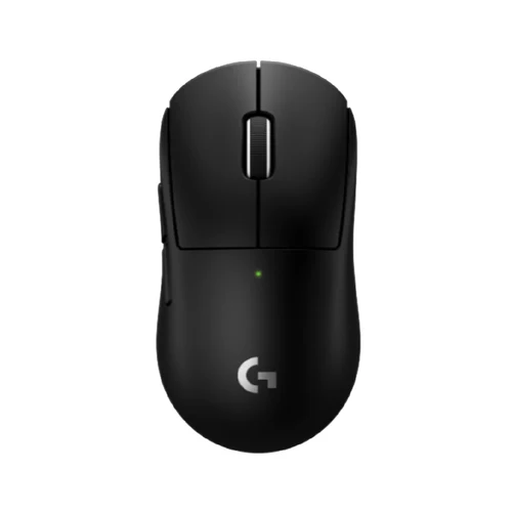
Why It Stands Out: The Logitech G PRO X Superlight 2c builds on the success of its predecessor, a favourite in the esports world. This model combines a low weight with the new HERO 2 sensor, which Logitech claims can reach a resolution of up to 44,000 DPI. Its compact design makes it suitable for various hand sizes and grip styles.
Pros:
Who Is It For? The Logitech G PRO X Superlight 2c is a solid all-rounder for the serious gamer seeking a reliable, lightweight, and extremely precise mouse. It's a popular choice for players who appreciate a proven form factor combined with the latest sensor technology.
View the Logitech G PRO X Superlight 2c on Joybuy.nl
The models listed above are geared towards pure performance with a focus on low weight. Are you looking for a mouse with more programmable side buttons for extra functionality in different games? There are countless other models available that might better suit your specific needs.
Discover a wider range in our category: Wireless Gaming Mouse with Side Buttons.
1. What is a good DPI for a gaming mouse? There is no single "best" DPI; it's a matter of personal preference. Professional FPS players often use a lower DPI (e.g., 400-1600) for more precise control, combined with large mouse movements. A high-DPI mouse offers the flexibility to find the setting that perfectly matches your monitor resolution and playstyle.
2. Is an 8K polling rate mouse worth it? An 8K polling rate mouse reduces latency from 1 ms to 0.125 ms. For the average gamer, this difference is small, but for high-level competitive players, this reduced input lag can provide a noticeable advantage in the form of smoother and more direct cursor responses. It can help you track your target just that little bit more accurately.
mouse for FPS games, weight is very important. A lighter mouse has less mass, allowing you to start, stop, and change direction more quickly. This results in faster reaction times and less physical strain, enabling you to perform at a high level for longer.