
Vandaag of morgen in huis

Kwaliteit gegarandeerd

Welkomstaanbiedingen ontgrendelen: GRATIS bezorging | Tot 80% korting | Gratis 30 dagen JoyPlus-proefperiode
Download de app
Every gram counts when you're carrying everything on your back, whether you're trekking through the Scottish Highlands or on a bikepacking weekend in the Veluwe. A heavy, bulky tent can be the difference between enjoying the scenery and suffering with an aching back. However, the search for the right lightweight tent can be overwhelming due to the sheer number of specifications and marketing jargon.
This article is designed to be a practical guide. We'll help you understand the specs, ask the right questions, and provide concrete recommendations based on product features, so you can make an informed decision for your next adventure.
Before you make a choice, it's helpful to consider a few key factors. These will determine which trekking tent or backpacking tent is best suited for your plans.
The term lightweight tent is broad. An ultralight tent for a solo hiker can weigh under 1.5 kg, while a spacious 2-person tent around 2 kg is still considered lightweight. Think carefully about how much space you really need. A 1-person tent is compact and feather-light, ideal for those who travel solo and pack minimally. A 2-person tent offers more comfort, extra space for your backpack, or the option to travel together. The pack size is just as important; after all, the tent must fit easily in or on your backpack.
The weather can be unpredictable. A waterproof tent is therefore not a luxury, but a necessity. The waterproof rating is expressed in millimetres (mm) of hydrostatic head. A rating of PU3000mm for the flysheet and floor is generally more than sufficient for most rain showers in Europe.
Also, look at the season rating:
4-season tent is worth considering if you plan to camp in winter or at higher altitudes.The materials largely determine the weight, durability, and price of the tent. Many lightweight tents use silicone-coated nylon (silnylon) because it is very light and strong. Polyester is a slightly heavier but often more affordable alternative that stretches less when wet. The tent poles are usually made of 7001 series aviation aluminium, a material known for its excellent strength-to-weight ratio.
Based on the criteria above, we have selected a few popular choices from the brand NatureHike. NatureHike is known for offering outdoor gear with a focus on a great balance of weight, functionality, and price.
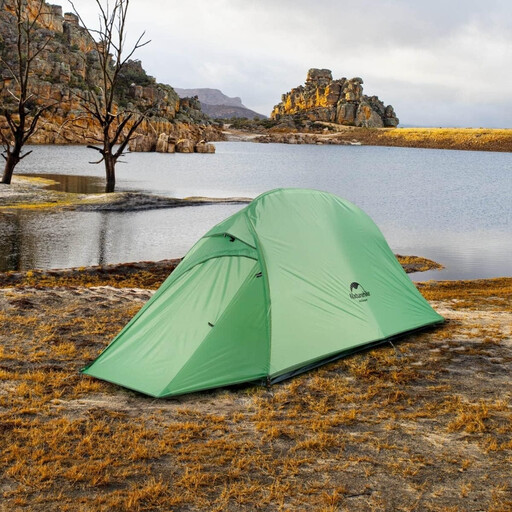
Why It Stands Out This tent is a popular choice for solo adventurers who count every gram. With a packed weight starting at 1500 grams, this is a true ultralight tent. The design focuses on a quick and easy setup, which is a relief after a long day of hiking. The tent provides sufficient protection for three-season use.
Pros
Who Is It For? The solo hiker, cyclist, or backpacker looking for a reliable and very light 1-person tent for trips in spring, summer, or autumn.
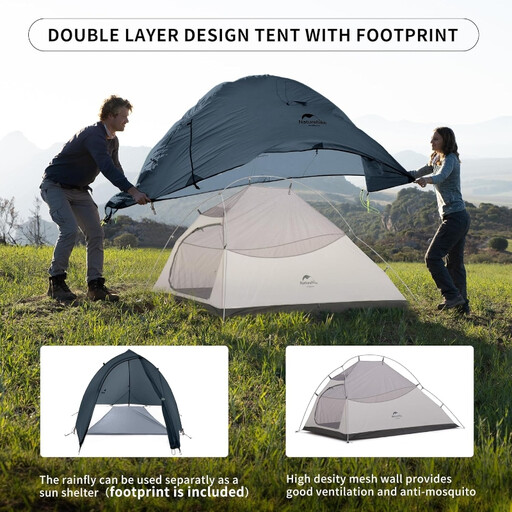
Why It Stands Out The Cloud Up 2 Upgrade offers the perfect balance between weight and living space. As a 2-person tent, the 20D version weighs only 1.3 kg (excluding stakes and guylines), which is exceptionally light for the space you get. The freestanding design makes setup easy, even on tricky terrain. According to the manufacturer, this model is suitable for 3 to 4 seasons, making it highly versatile.
Pros
Who Is It For? Couples trekking together, or solo adventurers who appreciate extra space for their gear and comfort without carrying much extra weight.
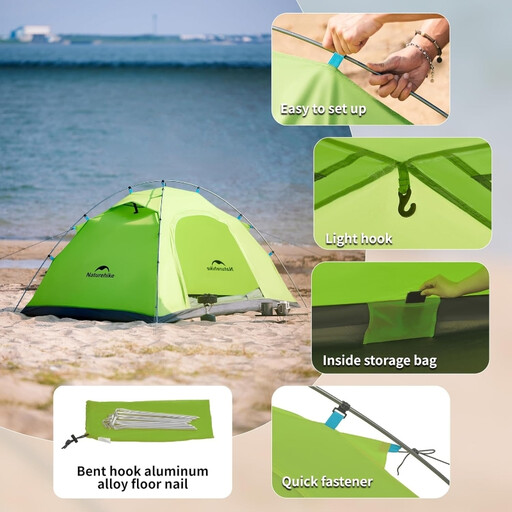
Why It Stands Out This tent is designed as an affordable 4-season tent. With a weight of 1.65 kg, it is still very light for a tent that claims to offer year-round protection. The polyester construction and classic design make it robust and reliable. The manufacturer states that the tent offers UV protection, which is a plus on sunny days at high altitudes.
Pros
4-season tent.Who Is It For? The adventurer who camps year-round and is looking for a versatile, robust tent without breaking the bank. Suitable for both weekend trips and longer treks.
The right lightweight tent is a personal choice that depends on your specific plans and preferences. If the recommendations above don't quite match what you're looking for, or if you simply want to compare more models, a wider range is available.
Explore our full range of tents here.
For solo hikers, a weight under 2 kg is generally considered lightweight, with ultralight tents often dipping below 1.5 kg. For a 2-person tent, anything under 2.5 kg is a good benchmark. If you split the weight between two people, each person carries just over a kilo.
Yes, for the vast majority of camping activities in the UK and the rest of Europe, a 3-season tent is the most practical choice. These tents are designed to handle rain and wind well, while providing sufficient ventilation in the summer. Only if you plan to camp in winter, especially in sub-zero temperatures or with a chance of snow, is a 4-season tent worth considering.
The hydrostatic head (mm) indicates how waterproof a fabric is. A tent fabric is considered waterproof from 1500 mm. For a reliable waterproof tent that can also withstand sustained rain and pressure (e.g., from wind), a rating of 3000 mm or higher for both the flysheet and the groundsheet is a safe bet.
Best regards,
Joybuy Product Recommendation Officer
