
Vandaag of morgen in huis

Kwaliteit gegarandeerd

Welkomstaanbiedingen ontgrendelen: GRATIS bezorging | Tot 80% korting | Gratis 30 dagen JoyPlus-proefperiode
Download de app
A lightweight sports bag may seem simple to choose at first glance. However, small design details can make a big difference. A bag that looks spacious in a product photo may lack sufficient structure in practice. And a water-repellent outer fabric does not automatically mean your belongings will stay completely dry during a heavy shower.
Pay particular attention to these three common pitfalls:
The right choice therefore depends on more than appearance. It also depends on your routine. Are you using the bag for fitness, commuting, a weekend trip or shopping? In that case, capacity, compartments and carrying options matter more than weight alone.
For a towel, sportswear, shoes and a water bottle, a gym bag of around 20 to 35 litres is often practical. A spacious 30-litre sports bag will generally hold the essentials for a training session, while 35 litres gives you more flexibility for an extra outfit or items for the journey.
Do not just look at the stated volume. Also check:
A foldable bag takes up very little space when not in use. This is useful in a suitcase or bicycle bag. With an expandable bag, it is helpful to check both the standard and maximum capacity. This prevents you from buying a compact bag when you regularly need more space in practice.
Many lightweight models use polyester, nylon or ripstop material. According to the product information, the Capelli Sport LITE GYM BAG uses 600D polyester or ripstop nylon, with a water-repellent PU coating on the inside. This can help protect against light splashes, but it does not automatically make the bag suitable for prolonged exposure to rain.
With a water-repellent bag, also check:
If in doubt, use a separate cover or waterproof bag for electronics, documents and dry clothing. Product claims about durability, stain resistance or water repellency should be understood as information provided by the manufacturer. According to a brand’s own research, a material may have certain properties, but the actual level of protection also depends on use, wear and weather conditions.
An adjustable shoulder strap is useful when travelling by bike, train or on foot. Carry handles are practical for short distances. A flat, reinforced base is helpful when you put the bag down in a changing room or on the floor.
For fitness and training, these compartments are useful:
A sports bag with a shoe compartment is particularly suitable if you do not want to keep your shoes with your clean clothing. For smaller loads, a crossbody bag or bum bag may be sufficient. It is less suitable for trainers, but practical for your phone, wallet and keys.
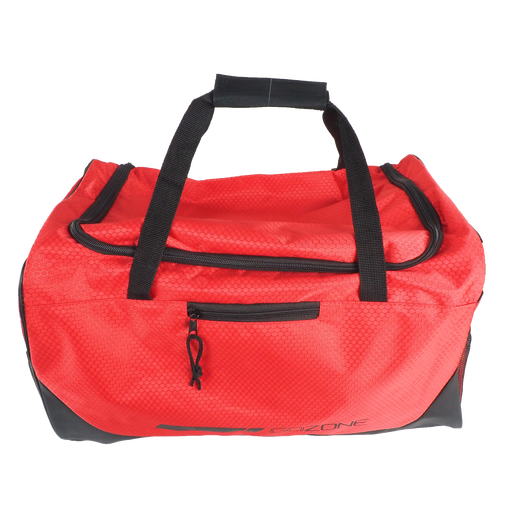
Why it suits this profile: This gym bag has a capacity of around 30 to 35 litres and is suitable for training sessions, weekends away and an extra change of clothes. The combination of carry handles and a detachable shoulder strap gives you several carrying options.
The product information lists a separate ventilated shoe or wet-items compartment, a zipped front pocket and a flat, reinforced base. This gives it a more practical layout than a single large compartment.
Approximately 30–35 litres of capacity, side pockets for a water bottle, and 600D polyester or nylon according to the product description.
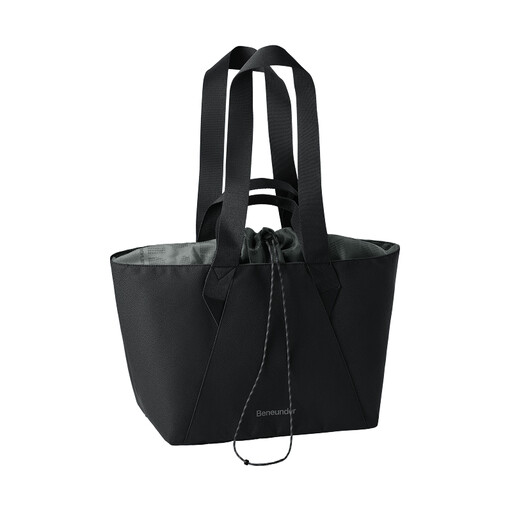
Why it suits this profile: This tote bag combines a low stated weight of around 220 grams with a standard capacity of 20 litres and an expandable capacity of up to 35 litres. This makes it suitable for travel, shopping and everyday use.
The double expansion design clearly distinguishes between compact use and maximum capacity. The bag is also foldable, so you can carry it in a suitcase or larger bag.
20 litres as standard and up to 35 litres according to the product specification, with wide straps and an internal compartment with divider.
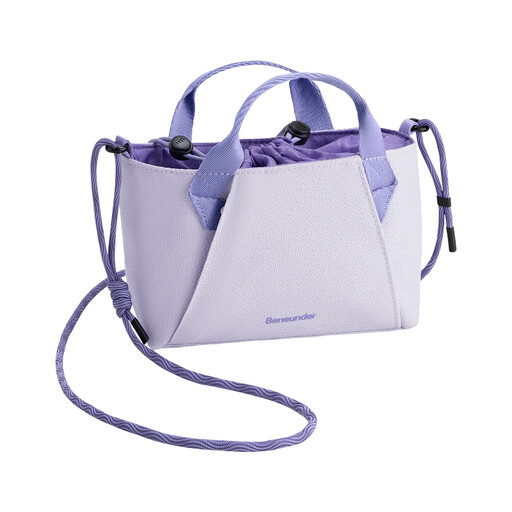
Why it suits this profile: This compact model is designed for everyday essentials. According to the product specification, its capacity expands from 1.2 to 3.6 litres, making it suitable for commuting, a short walk or a light workout.
The bag is not presented as a replacement for a large sports bag. Its stated capacity and multiple compartments make it clear that it is intended for small items, not shoes and a complete sports outfit.
Expandable from 1.2 to 3.6 litres, with an adjustable shoulder strap, drawstring closure and an internal zipped pocket.
We have put together a complete, up-to-date list of products that fully meet these strict selection criteria and the applicable European safety regulations.
A lightweight bag will remain useful for longer if you avoid consistently overloading it. Keep the zip closed without forcing it and distribute heavy items throughout the main compartment. Do not leave damp clothing in the bag for extended periods after use. Allow the inside to air fully first.
Also follow the product’s care instructions. For the models mentioned, cleaning with a damp cloth and mild detergent is recommended. Machine washing, bleach, a tumble dryer and high heat can damage the fabric, shape or protective coating.
For a towel, clothing, water bottle and shoes, around 25 to 35 litres is usually practical. If you only carry small accessories, a crossbody bag or bum bag with a capacity of a few litres may be sufficient.
A water-repellent bag can provide protection against light splashes. This does not mean that it is fully waterproof. For a laptop, phone and documents, use a separate waterproof cover if you regularly cycle in the rain.
A sports bag with a shoe compartment is more practical if you want to keep shoes, damp clothing and clean items separate. A standard gym bag may be sufficient if you carry little and mainly want a large main compartment. In that case, look at the dimensions, zip opening and carrying strap, not just the stated number of litres.
