
当日/次日达

品质保障

开启新人专享福利: 全场免邮 | 低至 2 折 | 免费试用 30 天 JoyPlus 会员
下载 Joybuy
A good SPF50 facial sunscreen needs more than just a high protection factor. You will only use it every day if the texture feels comfortable, does not pill under make-up and suits your skin type. Focusing solely on “SPF50+”, a well-known brand name or a promise such as “anti-ageing” can still leave you with an unsuitable sunscreen.
As a Joybuy Product Recommendation Officer, I filter product information for practical details: UV filters, SPF rating, ingredients, finish, size and usage restrictions. This makes it easier to see which SPF50+ facial sunscreen fits your routine.
SPF mainly relates to protection against UVB rays. UVA protection is also important for daily UV protection. Look for a stated UVA rating, such as PA++++ on various Korean products, or a broad-spectrum statement on the packaging.
Also pay attention to the difference between SPF30 and SPF50. For example, Skin1004 Madagascar Centella Airfit Suncream Light is listed as SPF30 and PA++++. This may be a suitable choice for certain routines, but if you are specifically looking for SPF50 facial sunscreen, check that the product actually states SPF50 or SPF50+.
A moisturising sunscreen often contains humectant ingredients such as glycerine, rice extract, panthenol or hyaluronic acid. This can feel pleasant on dry skin, but a rich finish may feel less comfortable on oily or combination skin.
Conversely, a strongly mattifying formula can emphasise dryness. A lightweight sunscreen with a natural finish is therefore often a practical middle ground. If you have sensitive skin, test a small amount on a limited area first. Stop using it if you experience redness, swelling, itching or irritation, and follow the safety information on the packaging.
Mineral sunscreen containing zinc oxide or titanium dioxide can leave a light cast, particularly when you apply enough product. Haruharu Wonder Black Rice Pure Mineral Sunscreen, for example, states that zinc oxide may initially cause a light white cast and needs to be worked in carefully.
Chemical UV filters often spread more transparently, but texture, rubbing and several layers can also affect the final result. “Sunscreen without a white cast” is therefore a product feature to check, not a guarantee for every user.
For SPF50+ facial sunscreen, these points are particularly important:
A chemical formula uses UV filters that absorb UV radiation. BIRCH Juice Moisturizing Sunscreen lists Diethylamino Hydroxybenzoyl Hexyl Benzoate, Ethylhexyl Triazone and other chemical UV filters among its ingredients.
A mineral sunscreen uses ingredients such as zinc oxide. Haruharu Wonder Black Rice Pure Mineral Sunscreen lists zinc oxide as a mineral filter. If you are prone to reacting to certain ingredients, compare the full ingredients list and carry out a patch test first. The terms “mineral” and “chemical” alone do not determine which formula is suitable for everyone.
For sunscreen under make-up, quick absorption, minimal stickiness and limited pilling are important. Apply skincare in thin layers and give each layer a short time to settle. A tone-up formula can make your complexion look optically lighter; this is not the same as a colourless finish.
According to the product description, NIVEA SUN UV Face Shine Control SPF50 is designed to provide a mattifying finish and be used as a base under make-up. The formula contains, among other ingredients, alcohol denat. and parfum. If you have sensitive or dry skin, it is sensible to check these ingredients beforehand.
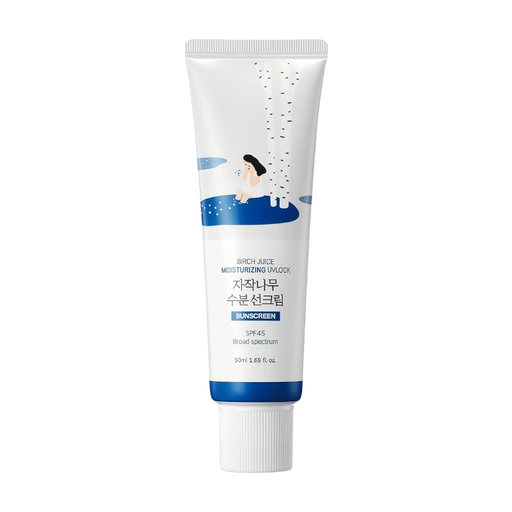
Why it suits this profile: A compact option for anyone looking for a hydrating Korean sunscreen for everyday use and wanting to compare the ingredients.
The product information lists chemical UV filters and recommends using it as the final step in your skincare routine. This makes it clear what you are buying, rather than relying solely on a marketing name.
50 ml, glycerine, sodium hyaluronate and niacinamide listed among the ingredients; reapplication is recommended after sweating or swimming.

Why it suits this profile: Suitable for anyone looking for a lightweight, hydrating Korean sunscreen with a natural finish.
The product description states that it leaves no white cast, does not feel sticky and is suitable for use under make-up. However, check whether several layers remain comfortable on your skin.
SPF50+ and PA+++ according to the product information; 30% rice extract and fermented extracts are listed; fragrance-free.
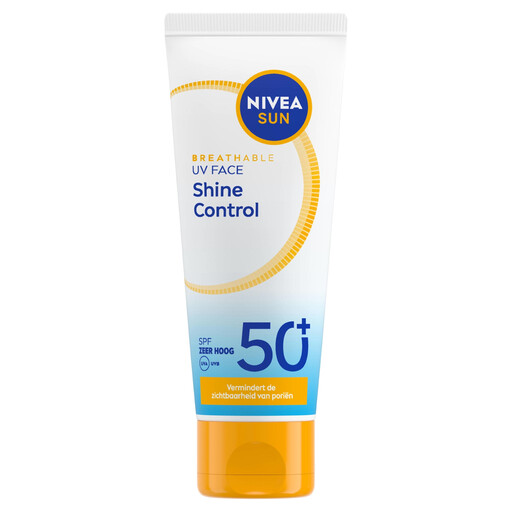
Why it suits this profile: A natural choice for anyone looking for a mattifying facial sunscreen for daytime and a base under make-up.
The product description mentions a mattifying finish and quick absorption. If you have dry or sensitive skin, it is worth taking alcohol denat. and parfum in the ingredients list into account.
SPF50, according to the product information; designed for oil control and layering under make-up; 40 ml size.
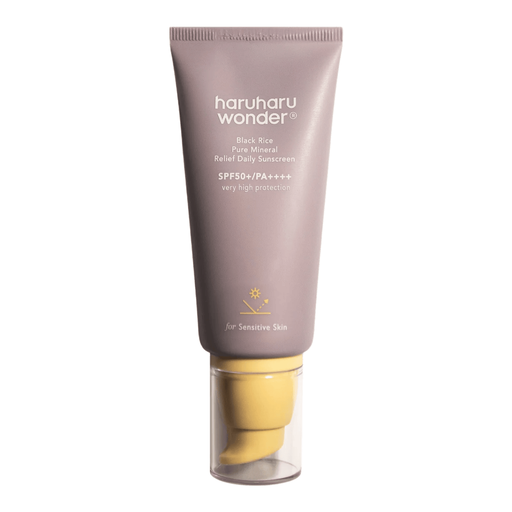
Why it suits this profile: For users consciously looking for a mineral sunscreen containing zinc oxide who are prepared to work the formula in thoroughly.
The product information explicitly lists zinc oxide and warns that it may leave a light white cast. This helps you form a realistic expectation of the finish beforehand.
Zinc oxide as a mineral filter; SPF50 and PA+++ according to the product information; contains rice extract, ceramide NP and hyaluronic acid, among other ingredients.
We have put together a complete, up-to-date list of products that fully meet these strict selection criteria and the applicable European safety regulations.
Apply enough to cover your face and neck evenly. A practical guideline is approximately two finger lengths for your face and neck, but always follow the instructions on the packaging. A thin layer does not automatically provide the level of protection stated on the label.
Yes, many lightweight formulas are designed for this. Allow your serum or moisturiser to absorb first, then apply the sunscreen evenly. Wait briefly before applying make-up. A mattifying formula may suit oily skin better, while a hydrating sunscreen may feel more comfortable on dry skin.
During prolonged exposure, reapplying approximately every two hours is standard practice. Reapply after swimming, exercising, sweating or drying yourself. Even a product that is not water-resistant requires extra attention during outdoor activities. Sunscreen is also not a reason to seek out prolonged, direct sun exposure; protect yourself with clothing, sunglasses and shade as well.
