
Vandaag of morgen in huis

Kwaliteit gegarandeerd

Welkomstaanbiedingen ontgrendelen: GRATIS bezorging | Tot 80% korting | Gratis 30 dagen JoyPlus-proefperiode
Download de app
A lightweight outdoor backpack may seem easy to choose at first glance. However, models vary considerably in comfort, capacity and protection from rain. A backpack that feels comfortable on a cycle ride to the office may be impractical on a long hike. Conversely, a large trekking backpack is often unnecessarily heavy for a short walk.
The most important question is therefore not simply how much a backpack weighs. You should also consider its capacity, fit, ventilation, compartments and intended use.
A thin backpack may be lightweight, but it may also offer little support as a result. Check whether the model has adjustable shoulder straps, a chest strap or a hip belt. When the bag is full, these features distribute the weight more effectively across your body.
For a short walk with little luggage, a basic lightweight walking backpack may be enough. For a full day out or trekking, a padded back panel, sturdy straps and a stable construction are more important than saving a few grams.
A water-repellent backpack helps protect against light rain and splashes, but it does not automatically provide protection during prolonged rainfall. Pay attention to the product description: terms such as “anti-splash”, “resists rain” or “water-repellent” generally describe a surface that absorbs moisture less quickly.
In changeable Dutch weather, take a rain cover or waterproof storage bag with you. Protect important items such as your phone, passport and electronics separately.
A 10-litre backpack is suitable for a bottle, jacket, lunch and a few personal belongings. For a day walk with extra clothing or cooking equipment, it may be rather cramped. A 45-litre backpack offers much more space, but it also becomes heavy more quickly and requires careful adjustment.
Choose the capacity based on what you actually take with you. An expandable backpack can be useful if the amount of luggage varies from day to day, but always check the dimensions in both its standard and expanded configuration.
Use this guide as a practical reference:
A larger capacity does not mean you have to fill it completely. Pay attention to the compartment layout. A separate hydration bladder compartment, side pockets and a front pocket for quick access mean you do not have to unpack the entire bag every time.
A backpack with adjustable shoulder straps is easier to fit to different heights. A chest strap stops the shoulder straps from sliding outwards while you walk. On larger models, a hip belt helps transfer some of the load from your shoulders to your hips.
A suspended or 3D-ventilated back panel can improve air circulation. This does not mean your back will stay completely dry, but it can make heat and moisture feel less trapped. Also check that the back panel is sturdy enough for the load you intend to carry.
Nylon and polyamide are often used to combine low weight with flexibility. According to the product description, Dyneema composite fabric may offer high tear resistance and low weight, but sharp objects can damage this material too.
A foldable backpack is useful as a spare in a suitcase or larger bag. However, note the difference between a compact daypack and a full-size hiking backpack. A foldable model usually provides less back support and is mainly suitable for light loads.
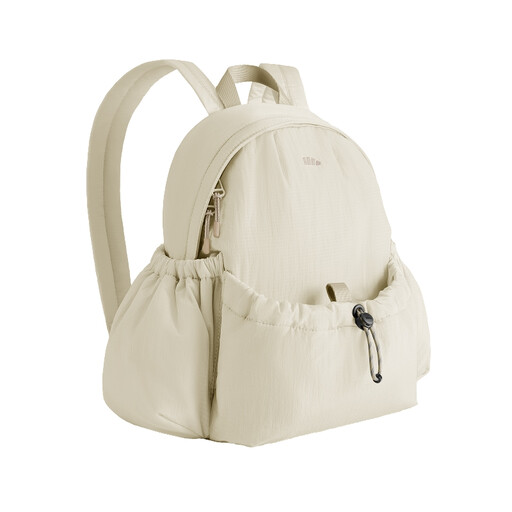
Why it suits this profile: Its compact capacity is suitable for commuting, short trips and light walks. According to the product description, the bag can be expanded from 10 to 13 litres.
The standard and expanded capacities are specified, so you do not have to rely solely on a general marketing term. The fabric is described as resistant to wind, rain and stains; use additional protection during prolonged rain.
Listed weight of 8,3 oz, expandable design and dual shoulder straps with pressure relief. Available in several colours.
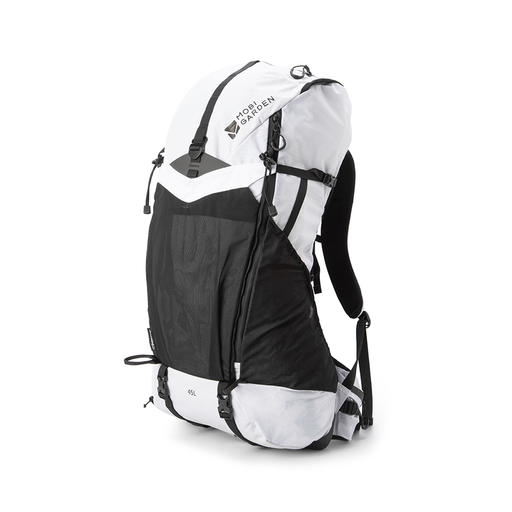
Why it suits this profile: This model is aimed at backpackers and hikers who carry equipment for several days and value a structured carrying system.
The capacity, approximate weight of 1,35 kg and dimensions are specified. This allows you to check whether 45 litres is suitable for your equipment and luggage requirements.
Dyneema composite fabric, 3D-ventilated back panel, hip belt and separate hydration bladder compartment. The manufacturer states that it has room for light trips lasting 2 to 3 days.
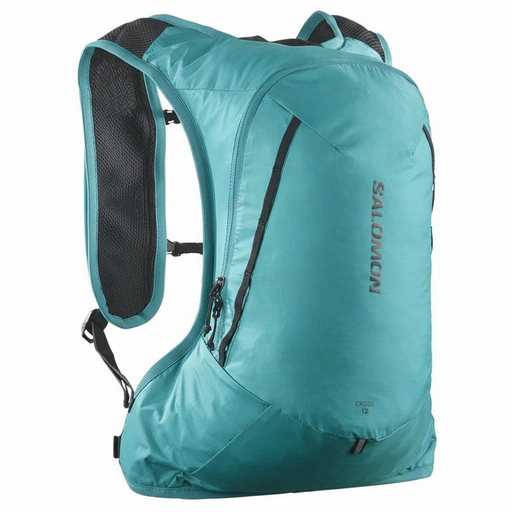
Why it suits this profile: This 12-litre trail-running backpack is designed for walkers, runners and hikers who want to carry compact luggage securely.
The padded back panel, dual chest straps and stated 12-litre capacity provide more concrete information than simply calling it “sporty”. Bottles are not included, according to the product information.
Shoulder-strap pockets, reflective buckle and compatibility with a 1,5-litre hydration bladder. According to the product specifications, the material is 100% polyamide.
We have compiled a complete, up-to-date list of products that fully meet these strict selection criteria and the applicable European safety regulations.
Use this short checklist before buying a lightweight outdoor backpack:
With an expandable backpack, also consider how stable it is when fully packed. An additional 30% of volume may be practical according to a brand or product description, but having more space can sometimes encourage you to carry more. Therefore, check the carrying comfort again after packing.
For a short walk, 10 to 15 litres is often sufficient. For a full day out with extra clothing, food and water, 18 to 30 litres is generally more suitable. For backpacking over several days, a 45-litre backpack may be appropriate, depending on your sleeping equipment and packing list.
That depends on its construction and the stated level of protection. Water-repellent fabric helps in light rain, but seams and zips may still let moisture through. In prolonged rain, use a rain cover and pack electronics separately.
Its lifespan depends on the material, load, maintenance and use on rough ground. Avoid overloading it, allow the bag to dry completely after a wet trip, and store it somewhere dry and out of direct sunlight. Check the seams, buckles and shoulder straps regularly. The statutory guarantee in the EU for the products mentioned is at least two years; additional rights may apply under the relevant national legislation.
