
Vandaag of morgen in huis

Kwaliteit gegarandeerd

Welkomstaanbiedingen ontgrendelen: GRATIS bezorging | Tot 80% korting | Gratis 30 dagen JoyPlus-proefperiode
Download de app
A shiny forehead by 3 PM, a tight feeling despite having oily skin, or a day cream that sits like a heavy film on your face. Sound familiar? The search for the perfect lightweight moisturizer can feel like a maze of broken promises. Many products promise hydration without a greasy feel but leave you with clogged pores or skin that produces even more sebum.
Before you make another purchase you'll regret, let's expose the most common pitfalls.
oil-free face cream isn't automatically the solution. Some formulas contain drying alcohols that irritate the skin and actually stimulate sebum production. Others use heavy silicones that occlude the skin and can cause breakouts.repair the skin barrier, such a product can do very little or even cause irritation.To avoid a bad purchase, it's better to focus on a few key specifications. These objective characteristics tell you more than any marketing claim.
The texture is the most important indicator of how a product will feel on your skin.
gel cream absorbs quickly and is ideal for oily, combination, or acne-prone skin. It provides hydration without leaving a perceptible layer behind.A healthy skin barrier is the key to hydrated and calm skin. A moisturizer for sensitive skin must do more than just add moisture; it must help the skin protect itself. Look for the presence of:
The term non-comedogenic means a product is formulated to minimize the chance of clogging pores. However, this is not a legally protected claim. It's a guideline, not a guarantee. If you're looking for a day cream for oily skin, it's wise to choose formulas free from heavy, occlusive ingredients and to pay attention to how your specific skin reacts.
Based on these objective criteria, we have selected a number of products that suit different needs and skin types.

Why This Fits Their Persona: This person has skin that reacts quickly to fragrance, alcohol, or heavy textures. The focus is on calming the skin and strengthening the barrier to reduce irritation and redness.
This product doesn't focus on a single ingredient but combines 77% oat seed water with panthenol and squalane. This synergy both soothes and helps repair the skin barrier, which is more effective than a one-dimensional approach.
Refreshing gel-cream texture that instantly calms the skin. Strengthens the skin barrier and is suitable for the most sensitive skin types.
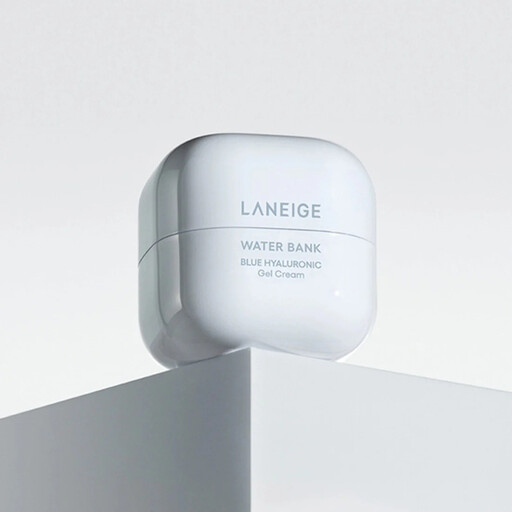
Why This Fits Their Persona: For this user, the experience is just as important as the result. They appreciate a premium brand known for its innovative hydration technology and elegant, comfortable textures. Ideal for combination to oily skin.
This is not a generic "hydration bomb." The hydrogel is specifically formulated for oily and combination skin, delivering moisture deep into the skin and absorbing instantly without leaving a sticky or shiny film.
Refreshing gel texture that instantly cools and hydrates the skin. Strengthens the moisture barrier for a balanced, comfortable complexion.
We have compiled a complete, up-to-date list of products that fully meet these strict selection criteria.
Yes, absolutely. Dehydrated skin has a lack of water, not necessarily oil. A lightweight moisturizer with hydrating ingredients like hyaluronic acid, glycerin, and panthenol can be very effective. For extra comfort, you can layer it over a hydrating serum or use a slightly richer cream at night to properly lock in moisture.
The main difference lies in the base and texture. A gel cream is typically water-based, feels lighter, and absorbs more quickly. This makes it a popular choice as a day cream for oily skin or for use in warmer months. A traditional day cream is often an emulsion of water and oils, which makes it feel richer and offer more nourishment, which may be better suited for a drier skin type.
Look for the term "non-comedogenic" on the packaging, but consider this a guideline. The best approach is to check the ingredient list. Ingredients like coconut oil or lanolin can clog pores for some people. If you are prone to this, opt for an oil-free face cream or formulas with light, non-comedogenic oils like squalane.
