
Vandaag of morgen in huis

Kwaliteit gegarandeerd

Welkomstaanbiedingen ontgrendelen: GRATIS bezorging | Tot 80% korting | Gratis 30 dagen JoyPlus-proefperiode
Download de app
A lightweight hiking backpack may seem simple to choose at first. However, small differences in materials, carrying design and compartments can determine whether your bag stays comfortable on a walk or becomes awkward for everyday use. A compact backpack should also suit the changeable Dutch weather: showers, bike rides and wet railway platforms call for realistic expectations of water-repellent materials.
A water-repellent backpack can help keep out light showers, but that doesn’t mean its contents will stay dry for long in a heavy downpour. So check the exact product description. If it only says “water-repellent” or “splash-resistant”, don’t rely on the backpack to provide full protection from heavy rain.
A rain cover or waterproof bag for your laptop, clothes and electronics can be a practical addition.
A backpack can be lightweight but still uncomfortable to carry if the shoulder straps aren’t properly adjustable. Check that the straps offer enough adjustment and that the back panel suits your build. A breathable back panel can be comfortable when walking or cycling, but it can’t make up for a poor fit.
A 16-litre bag has room for everyday essentials, a bottle, lunch and a light extra layer of clothing. It’s usually not enough for a multi-day hike. Don’t just look at the number of litres; consider the compartments too. A zipped pocket, side pocket or elastic attachment can be more useful in practice than a large main compartment with no organisation.
For short walks, city trips and commuting, a capacity of around 12 to 20 litres is often practical. A 16-litre hiking backpack, for example, suits people who only carry everyday essentials.
Think in advance about what you need to fit in the bag:
For students and commuters, a separate sleeve or a well-protected compartment matters more than a striking appearance. If no laptop compartment is listed, use a separate protective sleeve.
Check whether the product information mentions:
According to its own product description, the LI-NING backpack uses “LN WATER PROOF wearable fabric” to help repel water droplets. The same description clearly states that it is splash-resistant, not waterproof. This distinction matters when cycling or walking in the rain in the Netherlands.
Look for adjustable shoulder straps, a sturdy handle and a back panel that doesn’t trap unnecessary heat. A backpack with a side pocket is handy for a bottle or anything you want to reach quickly while out and about. External elastic straps can provide space for items such as a jacket, but check that the attachment is sturdy enough for your needs.
A black backpack is practical for everyday use because dirt is often less noticeable. Lighter colours, on the other hand, can make you more visible in a busy urban environment. The right choice depends on your daily route and personal preference.
The selection below matches the available models with different types of user. Before buying, always check the latest size guide, stock availability and product specifications on the product page.
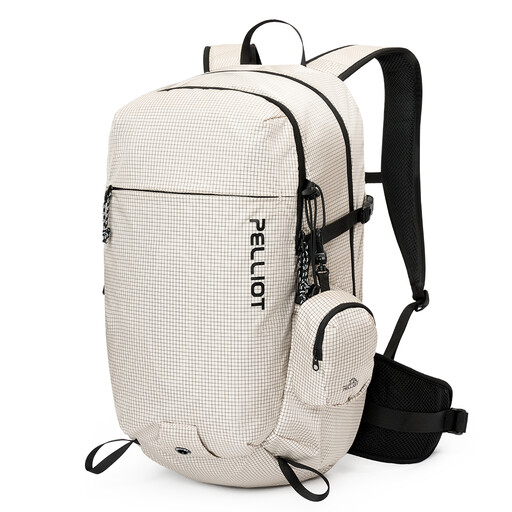
Why it suits this profile: The product title presents this model as a lightweight outdoor, hiking and travel backpack. The white version may suit people looking for a different colour for short trips or everyday use.
Keep your choice straightforward: check the exact capacity, compartments and rain protection yourself before buying, rather than relying on the word “lightweight” alone.
Positioned as a lightweight outdoor and travel backpack in the product title; white colour. Refer to the product page for further specifications.
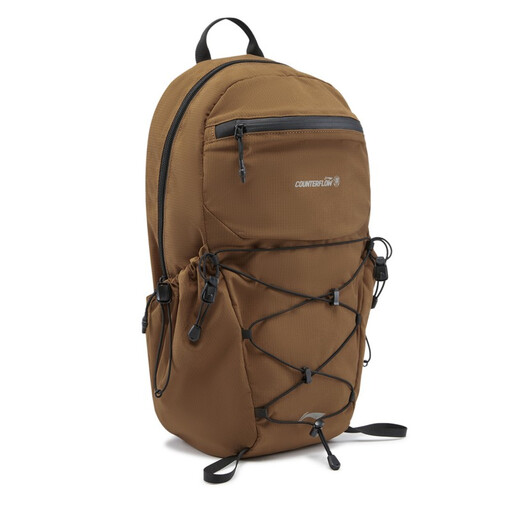
Why it suits this profile: According to the product description, this model combines a 16-litre capacity with adjustable straps, a perforated back panel and several attachment options. This makes it a suitable choice for everyday use, light walks and commuting.
The product information distinguishes between splash resistance and waterproofing. This means you can plan additional protection for heavy rain.
16-litre capacity; zipped pocket, side pocket and external elastic attachment; breathable perforated back panel; adjustable shoulder straps.
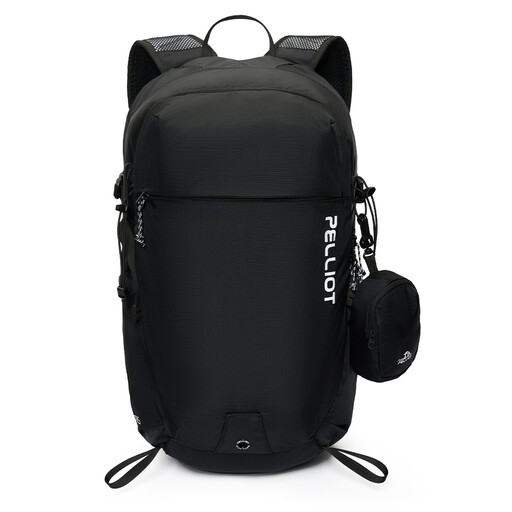
Why it suits this profile: The black version is a good match for people looking for a neutral outdoor backpack for travel, walks and everyday use. The product title describes it as a lightweight hiking and travel backpack.
For more intensive use, check the load limit, compartment layout and rain protection on the product page. A black colour isn’t a substitute for hard-wearing material, even if it makes dirt less noticeable.
Black version; positioned as an outdoor, hiking and travel backpack in the product title. Check the technical details before placing your order.
We’ve put together a complete, up-to-date list of products that meet these strict selection criteria and the applicable European safety regulations.
Use this quick checklist before buying an everyday backpack or travel backpack:
If you’re choosing a backpack for commuting, check the dimensions too. A bag that’s comfortable to walk with may be awkward in a full bike pannier, locker or train.
For a short walk, 10 to 20 litres is often enough for water, lunch, a jacket and personal belongings. If you’re carrying extra clothes, camera accessories or equipment, you may need more capacity.
Only in light rain or for short periods of exposure. Water-repellent material helps keep splashes out, but it isn’t automatically waterproof. Use a protective sleeve for electronics and consider a rain cover for longer bike rides.
Follow the manufacturer’s instructions. In many cases, wiping it with a damp cloth is suitable. Don’t machine-wash a backpack unless the instructions specifically say you can. Let the bag dry completely before putting it away, and avoid sharp objects that could damage the fabric.
