
Vandaag of morgen in huis

Kwaliteit gegarandeerd

Welkomstaanbiedingen ontgrendelen: GRATIS bezorging | Tot 80% korting | Gratis 30 dagen JoyPlus-proefperiode
Download de app
A lightweight hiking backpack might seem easy to choose at first. But a frame that’s too heavy, poor ventilation or an awkward layout can quickly make a walk less enjoyable. Marketing terms such as “ultralight”, “waterproof” and “ergonomic” only tell you so much, so always check the full product specifications.
This buying guide explains what to look for in a hiking backpack for day walks, trekking, travel or your daily commute. You’ll also find some recommendations tailored to different needs.
A low base weight is useful, but it isn’t the only thing to consider. A backpack without a good hip belt or chest strap may be less comfortable when heavily loaded than a slightly heavier model with a well-designed carrying system. So always check:
A water-repellent backpack can help keep out light rain and splashes, but that doesn’t necessarily mean its contents will stay dry in prolonged rain. Check whether the product has water-repellent fabric, a separate rain cover or fully waterproof seams.
You can also keep valuables such as your phone, documents and sleeping bag in a waterproof inner bag. If a product description only says “water-resistant” or “anti-splash”, that’s no guarantee of full protection from a sudden downpour.
A 40-litre or 45-litre backpack has room for multi-day trips, but it may be unnecessarily large for a day walk. A large bag can also tempt you to pack extra things.
As a guide:
Don’t just look at the number of litres. A practical hiking backpack has compartments to suit your gear. Look for features such as a separate hydration compartment, side pockets for bottles, an easy-access front pocket and attachment points for walking poles or a sleeping mat.
A 45-litre bag, for example, may be a good choice if you’re packing light for a two- or three-day trip. For everyday essentials, an expandable or foldable backpack may be more convenient, as you can adjust its capacity to suit what you’re carrying.
Materials such as nylon and polyester offer a good balance of weight and durability. According to Mobi Garden’s product specifications, Dyneema composite fabric is lightweight and resistant to tearing and abrasion. This can be useful on rocky trails, but the material isn’t indestructible. The manufacturer warns against sharp objects and prolonged exposure to direct sunlight, among other things.
Also check the buckles, straps and seams. An ultralight backpack with thin straps may not be the best choice if you regularly carry heavy camping gear.
A hiking backpack with a breathable back panel helps air circulate between your back and the bag. A 3D or mesh back panel can reduce the area in contact with your back, but ventilation also depends on the fit and how hard you’re working.
For models available in different sizes, measure your torso length: from the prominent bone at the base of your neck to the top of your hip bones. Adjust the hip belt first, then the shoulder straps and finally the chest strap. Keep heavy items close to your back to maintain a stable centre of gravity.
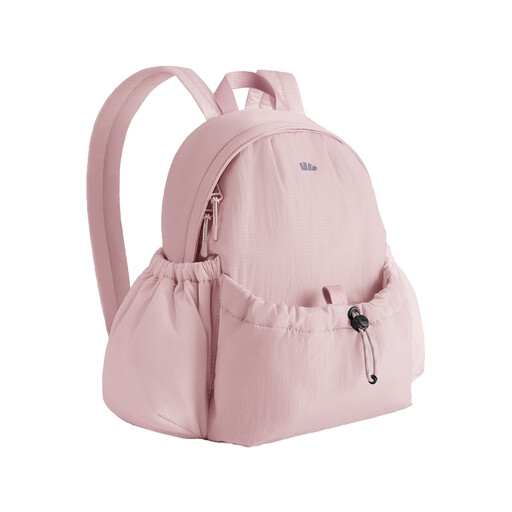
Why it suits this type of user: This compact bag is designed for commuting, short walks and light day trips. According to the product specifications, its capacity can be expanded from 10 to 13 litres.
You won’t end up with an unnecessarily large trekking backpack for everyday use. Its expandable design lets you adjust the capacity.
Weighs approximately 235 grams, with a capacity of 10 to 13 litres. According to the product information, its fabric helps protect against wind, rain and stains.
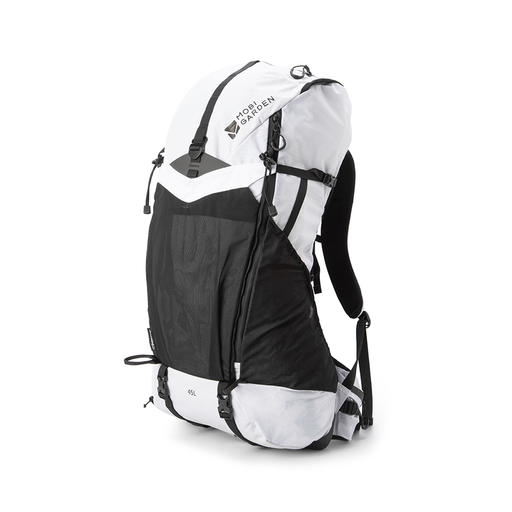
Why it suits this type of user: Designed for lightweight backpacking, hiking and trekking, where generous capacity and relatively low weight are important.
The specifications list a 3D ventilated back panel, hip belt and chest strap, so you can look beyond the low material weight alone.
45-litre capacity, weighs approximately 1.35 kg, with a separate waterproof hydration compartment and attachment points for poles and a sleeping mat.
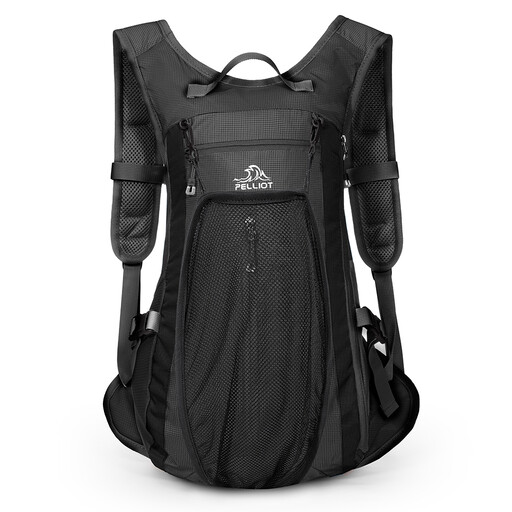
Why it suits this type of user: Its close-fitting shape and adjustable sizing make it practical for trail running, cycling and brisk walks where a stable bag is important.
Sizing is based on torso length and waist measurement. This reduces the chance of the backpack being loose and shifting as you move.
20-litre capacity, pockets for water bottles and small essentials, breathable mesh lining and hard-wearing grid polyester, according to the product information.
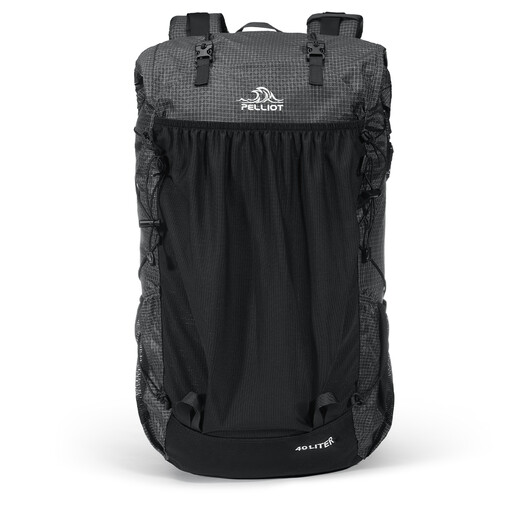
Why it suits this type of user: This trekking backpack is designed for camping and two- to three-day walks, with an integrated frame and multiple attachment points.
Its capacity is suited to multi-day use without going straight for a 45-litre backpack. The choice of S/M or L/XL helps you find a better fit.
40-litre capacity, weighs approximately 1.06 kg, with an aluminium frame, 3D ventilation and a stated load capacity of around 11 kg.
We’ve put together a complete, up-to-date list of products that meet these strict selection criteria and the applicable European safety regulations.
For most day walks, 10 to 25 litres is enough. Choose something closer to 30 litres if you’re carrying extra clothing, food, a camera or safety equipment. A 40-litre backpack is most useful when you’re carrying camping gear or several days’ worth of provisions.
Place heavy items close to the back panel. Adjust the hip belt so it sits firmly but comfortably around your hips. Then tighten the shoulder straps and fasten the chest strap. As you walk, check that the bag isn’t pulling to one side and that you can move freely.
Its lifespan depends on the material, how heavily it’s loaded, the weather and how well it’s cared for. Clean the bag according to the product instructions, let it dry completely and store it somewhere dry, out of direct sunlight. Check the seams, buckles and attachment points regularly, especially after demanding treks.
