
Vandaag of morgen in huis

Kwaliteit gegarandeerd

Welkomstaanbiedingen ontgrendelen: GRATIS bezorging | Tot 80% korting | Gratis 30 dagen JoyPlus-proefperiode
Download de app
A lightweight hiking backpack may seem easy to choose at first. But a back length that is too short, poor ventilation or an unclear capacity can leave your backpack unused after just a few walks. Terms such as “waterproof”, “ultralight” and “large capacity” do not always tell the whole story either.
In this buying guide, we look at the specifications that make a practical difference in the UK: carrying comfort, capacity, material, rain protection and how you plan to use your backpack.
A lightweight backpack can be comfortable on a short walk, but when it is fully loaded, shoulder straps, a hip belt and a back panel are just as important. Without good weight distribution, most of the load ends up on your shoulders. So check whether the backpack has adjustable straps, a chest strap or a hip belt.
For a hiking backpack designed for longer distances, back length matters too. A model available in several sizes or with an adjustable carry system will generally fit better than a one-size model, although this depends on your build and how you load it.
A water-resistant backpack can help keep out light rain or splashes. That does not automatically mean the seams, zips and inside will stay dry for long in a heavy downpour. Check the exact product description. If it only says “resists rain”, “anti-splash” or “water-resistant”, consider using a rain cover or dry bag in changeable weather.
A 30-litre backpack is suited to different situations from a 40-litre or 45-litre backpack. The number of pockets, external attachment points and shape of the main compartment all affect how efficiently you can pack your belongings. A large bag with poor organisation can be less practical than a compact model with cleverly designed compartments.
Also check the dimensions in inches or centimetres. A 10-litre bag, for example, is designed for different equipment from a 40-litre trekking backpack, even if both are marketed as “outdoor backpacks”.
Choose the capacity to suit your activity:
A foldable backpack is useful as a spare in your suitcase or as a compact bag for a short trip. However, check that the shoulder straps and back panel provide enough support when the bag is heavily loaded.
Compare the weight of the empty bag with the features you need. A frame, hip belt and sturdy back panel add weight, but can distribute the load more effectively when your trekking backpack is full.
According to the product information for the Beneunder LC359, the design focuses on a lower overall weight and a foldable construction. The retailer claims a 50 per cent weight reduction; this is a brand claim, not a universal comparison with all other backpacks. So focus on the stated dimensions, construction and maximum recommended load.
Nylon, polyester and Dyneema composite fabric are each used in different ways. Look at:
According to the product description, the Mobi Garden Phantom Pro 3D Dyneema is made from Dyneema composite fabric and has a ventilated 3D back panel. The manufacturer also warns that this material can be damaged by forceful tearing or sharp objects. This makes careful packing important.
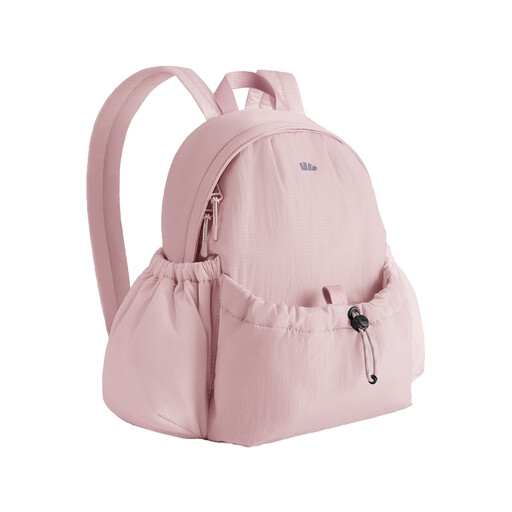
Why it suits this need: Its compact capacity makes it a good fit for short walks, commuting and travel when you need a lightweight spare or day bag.
The capacity is clearly specified: 10 litres in its standard configuration and 13 litres when expanded. The product information also mentions protection against wind, rain and stains, but does not claim that the bag is fully waterproof.
Stated weight of 8.3 oz, 30 per cent expandability according to the product description, and a design with separate compartments.
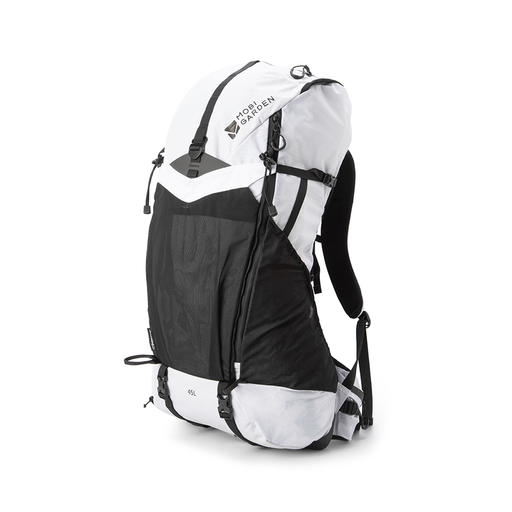
Why it suits this need: This model is designed for backpackers and trekkers looking for plenty of capacity and ventilation on multi-day trips.
Its 45-litre capacity is combined with a separate waterproof hydration compartment, external attachment points and a hip belt. The product information does not claim that the entire bag is waterproof in all conditions.
Around 1.35 kg, a 3D ventilated back panel and attachment points for items including walking poles and a sleeping mat.
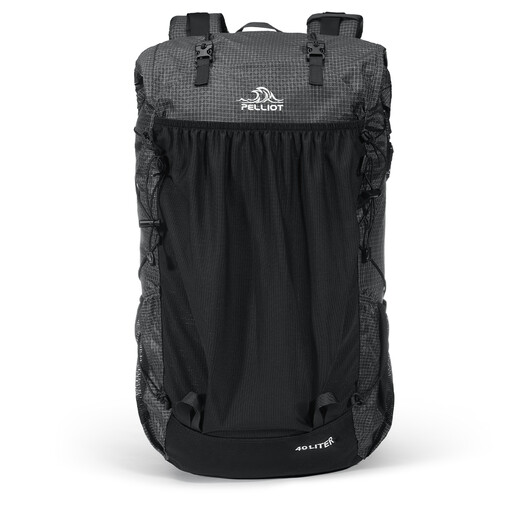
Why it suits this need: The combination of an aluminium support frame, adjustable sizing and multiple attachment points is well suited to longer walks with heavier equipment.
Instead of offering only a large main compartment, this model comes in S/M and L/XL sizes and has a hip belt, along with several storage pockets and attachment points.
40-litre capacity, approximately 1.06 kg according to the product information, and a stated load capacity of around 11 kg.
We’ve put together a complete, up-to-date list of products that meet these strict selection criteria and the applicable European safety regulations.
Clean your outdoor backpack according to the manufacturer’s instructions. Many models can be wiped down with a damp cloth, while machine washing can damage the coating, seams or shape. Let the bag dry completely before storing it.
Pack heavy items close to your back and put sharp objects in a protective cover. Overloading can put unnecessary strain on the zips, seams and straps. Before every walk, check the buckles and attachment points too.
For a day hike, 12 to 30 litres is usually practical. Choose around 12 litres for water, a jacket and a few small essentials. Go up to 30 litres if you’re taking extra clothing, lunch, a camera or waterproofs.
Yes, as long as the capacity and layout suit your trip. An expandable or foldable backpack is handy as an extra bag. If you’ll be away for several days without access to your luggage, a 40-litre or 45-litre backpack may be more suitable.
Its lifespan depends on the material, load, care and conditions of use. A bag that is regularly overloaded or scraped against sharp rocks will wear out more quickly. Check the seams, zips and straps, and follow the manufacturer’s care instructions.
