
Vandaag of morgen in huis

Kwaliteit gegarandeerd

Welkomstaanbiedingen ontgrendelen: GRATIS bezorging | Tot 80% korting | Gratis 30 dagen JoyPlus-proefperiode
Download de app
A lightweight hiking backpack may seem straightforward to choose at first glance. However, small differences in the carrying system, capacity and materials can make a big difference during a walk, cycle ride or commute. A bag that looks spacious in the product photos may offer little room in practice. A model labelled “waterproof” may also only withstand light rain or splashing water.
Joybuy Product Recommendation Officer helps you compare the most important features side by side. This helps you avoid paying mainly for marketing terms and choose an outdoor backpack that suits the way you use it in the Netherlands.
A 30-litre backpack offers more space than a 20-litre bag, but capacity alone does not tell you everything. Without separate compartments, your water bottle, waterproof jacket or phone may be difficult to reach. So look for:
A well-designed layout means you do not have to empty the entire bag during a short break.
Terms such as water-repellent, anti-splash and weather-resistant do not automatically mean the same thing. Check whether the product description mentions a hydrostatic head, taped seams or an IP rating. If this information is missing, treat the bag as suitable for light rain rather than protection against prolonged rainfall.
A rain cover can be a practical addition to a hiking backpack. Also pay attention to the zips and seams: in heavy rain, water often gets in through these areas before it penetrates the main fabric.
A lightweight bag is not automatically comfortable. With a fully loaded trekking backpack, an adjustable chest strap, hip belt, padded shoulder straps and a ventilated back panel are more important than a difference of a few hundred grams.
Also check the fit. A one-size model may be adjustable, but it will not fit every body shape equally well. With a running or cycling model, a stable, close-fitting design is particularly important to limit movement and bouncing.
Choose the capacity based on the duration and type of activity:
A foldable backpack is useful as a spare bag when travelling. In that case, check not only the folded dimensions, but also the shoulder straps and the maximum recommended load.
A breathable backpack usually has a mesh back panel or a design that creates space between your back and the bag. This can improve air circulation, but it will not prevent sweating completely. Also look for:
Weight distribution also matters when walking or cycling intensively. Place heavy items close to your back and keep the left and right sides roughly balanced.
Nylon, polyester, Oxford fabric and Dyneema composite have different properties. A tightly woven or coated fabric can offer protection against wear and splashing water, while mesh is mainly used for ventilation. Always check the care instructions. Some models may only be cleaned with a damp cloth and must not be put in the washing machine.
Also look out for construction details such as:
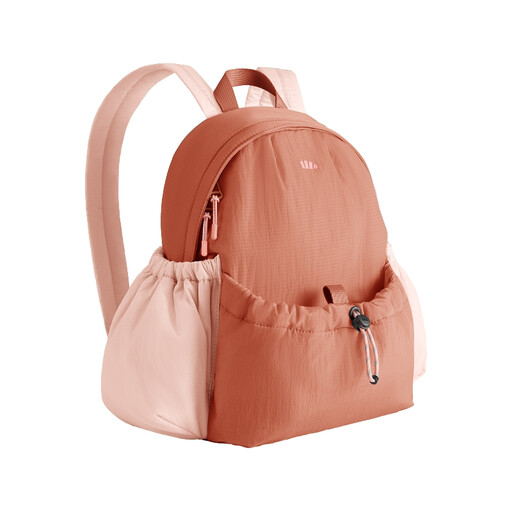
Why it suits this profile: This compact bag is designed for commuting, short walks and trips where you are carrying only a few items. According to the product description, its capacity expands from 10 to 13 litres.
The fixed base capacity and expandable design make the volume clearer than with a bag that only makes a general “large capacity” claim.
Product weight of 8.3 oz according to the specifications, nylon material and double shoulder straps. The product description states that it resists wind, rain and stains; this is not a guarantee of complete waterproofing.
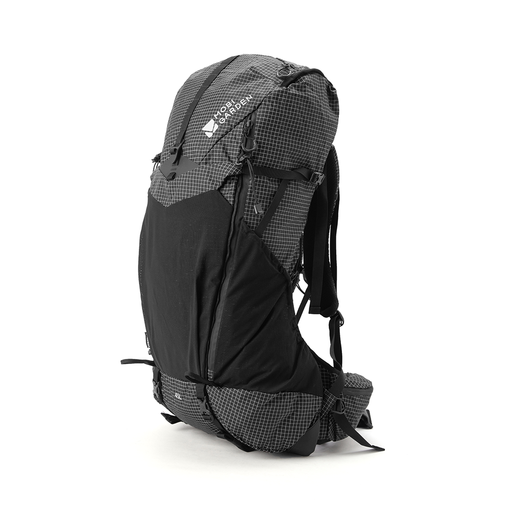
Why it suits this profile: According to the product description, this model is designed for backpacking, hiking and trekking, with a capacity of 45 litres and a stated weight of approximately 1.35 kg.
The capacity, dimensions and weight are clearly stated. This helps with comparisons, although suitability still depends on your build and load.
Dyneema composite as the main material, a 3D-ventilated back panel, hip belt, chest strap and separate waterproof hydration compartment according to the product details.
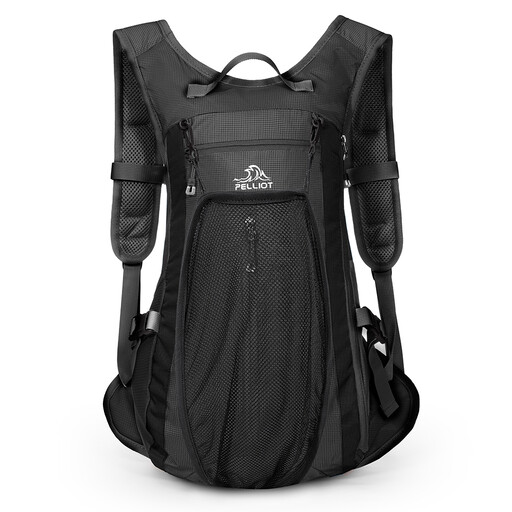
Why it suits this profile: Its sizing is designed for active use. The specifications list two sizes, torso and hip measurements, and a capacity of 10–15 or 15–20 litres.
You choose based on torso and hip measurements rather than appearance alone or a general one-size designation.
Grid polyester, breathable mesh, multiple compartments and an adjustable harness according to the product description. The bag is mainly designed for cycling and trail running.
We have put together a complete, up-to-date list of products that fully meet these strict selection criteria and the applicable European safety regulations.
For a day trip, a Salomon Trailblazer 30 with 30-litre capacity, multiple compartments and mesh in the shoulder straps and back panel can be a logical mid-size option. According to the product description, the model is designed for day trips and urban use. Take a look at the Salomon Trailblazer 30 Backpack if you are looking for one bag for both situations.
An expandable backpack is useful if you carry only a few items during the day but need extra space for the return journey. For longer trips, you could also consider a 50-litre backpack, such as the vidaXL Military-Style Backpack. According to the product details, this model has a capacity of 50 litres, a mesh back panel, chest strap and hip belt. However, check that the weight and dimensions suit the way you travel.
For a short walk, 10 to 20 litres is often enough. For a full day trip, 20 to 30 litres is usual. For several days, you are more likely to need 45 or 50 litres. List your clothing, food, water and any sleeping equipment in advance so that you do not routinely carry more capacity than you need.
No. Comfort also depends on the back length, adjustability, shoulder straps, chest strap, hip belt and weight distribution. A lightweight bag with a poor fit can be less comfortable to carry than a slightly heavier model with better support.
Follow the manufacturer’s care instructions. Many models can be cleaned with a damp cloth and should then be left to air dry. Avoid machine washing, prolonged exposure to heat and overloading if these are not permitted. After use, check the zips, seams and attachment points for signs of wear.
