
Vandaag of morgen in huis

Kwaliteit gegarandeerd

Welkomstaanbiedingen ontgrendelen: GRATIS bezorging | Tot 80% korting | Gratis 30 dagen JoyPlus-proefperiode
Download de app
When you're gaming competitively, you know that every millisecond and every gram counts. A heavy, sluggish mouse can be the difference between winning and losing a duel. However, the search for the right lightweight gaming mouse can be overwhelming with all the marketing terms and technical specs.
This guide is designed to cut through the noise. We'll take an objective look at the specifications that truly matter for serious gamers, with a focus on FPS players. Here, you'll find practical information and a selection of models that stand out for their performance, without any unnecessary frills.
Before we dive into the products, here are a few key specifications to consider when buying a professional gaming mouse.
For fast-paced games like Valorant or Apex Legends, a mouse under 65 grams is the standard. A lighter mouse means less drag and fatigue, allowing you to react faster and track your target more effectively ('flick shots' and 'tracking'). The shape should fit your hand size and grip style (palm, claw, or fingertip) for optimal control.
A high-DPI gaming mouse (Dots Per Inch) often indicates an advanced sensor capable of accurately registering even the most minute movements. While most pro players use a lower DPI setting (400-1600), a high maximum DPI value (like 30,000+) guarantees that the sensor is top-tier quality.
The polling rate, measured in Hertz (Hz), indicates how often the mouse reports its position to the computer. An 8K polling rate mouse does this 8000 times per second, resulting in extremely low input lag and smoother cursor movements. This is a noticeable advantage in competitive scenarios.
Modern wireless technology has become so good that the difference in response time compared to a wired mouse is negligible for most players. A lightweight wireless mouse offers complete freedom of movement without any cable drag. The advantage of a wired mouse is that you never have to charge the battery, and it often comes at a slightly lower price for comparable performance.
Below are a few models that stand out for their specifications, aimed at the competitive gamer.
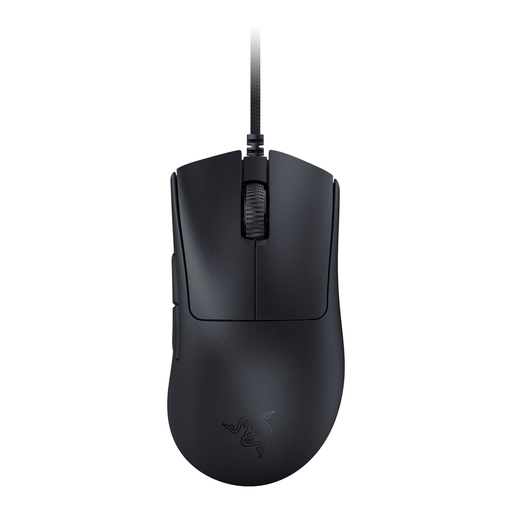
Why It Stands Out The DeathAdder line has been a staple in the esports world for years. This V3 version continues that legacy with a focus on pure performance. Weighing just 59 grams and featuring an ergonomic shape that Razer says was refined in collaboration with esports pros, this is a very fast gaming mouse for right-handed players.
Pros
Who Is It For? For the competitive FPS player who prefers the reliability and ultra-low latency of a wired connection and values an ergonomic, right-handed shape.
Check out the Razer DeathAdder V3
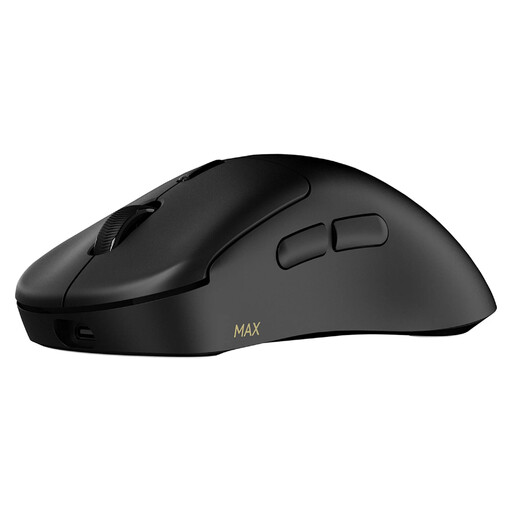
Why It Stands Out The RAPOO VT3 MAX is an impressive lightweight wireless mouse that combines top-tier specifications with a very low weight. At 53 grams, it's one of the lighter wireless options on the market. What makes it unique is its native 8K wireless polling rate, a feature you don't often see without extra dongles.
Pros
Who Is It For? Gamers looking for the ultimate wireless freedom without compromising on weight or responsiveness. The long battery life makes it practical for extended gaming sessions.
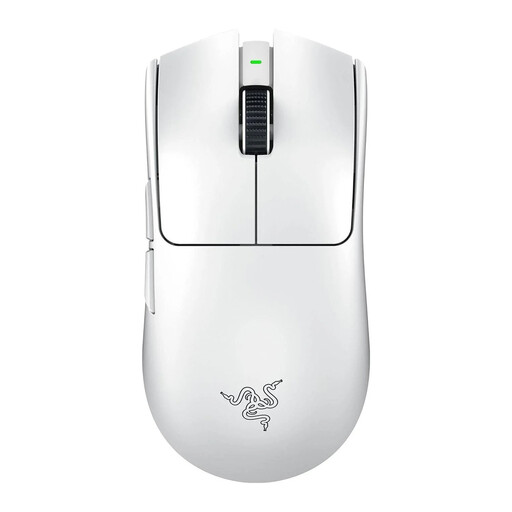
Why It Stands Out The Viper V3 Pro is another popular esports mouse from Razer, engineered for peak performance in a wireless package. Weighing in at 54 grams, it is extremely light. Its shape, according to Razer, was developed based on feedback from professional players. This mouse combines a low weight with Razer's HyperSpeed Wireless and HyperPolling technology.
Pros
Who Is It For? The serious gamer looking for a proven, ultralight wireless Razer mouse designed with input from pros. Ideal for players who want a combination of speed, precision, and wireless convenience.
Check out the Razer Viper V3 Pro
The gaming mouse market is vast, and the right choice is a personal one. If the models above aren't exactly what you're looking for, or if you're curious about other shapes and specs, there's more to explore.
Check out our full collection for more choices, including models with different button layouts and designs.
Discover More Wireless Gaming Mice
Generally, yes. A lighter mouse makes quick, large movements across the mousepad easier and can reduce wrist fatigue during long sessions. However, the ideal weight class remains a matter of personal preference and playstyle.
An 8K (8000 Hz) polling rate means the mouse reports its position to the computer 8,000 times per second. This is eight times more frequent than the standard 1000 Hz. The result is lower input lag and a smoother cursor motion on high-refresh-rate screens. For competitive players, this can provide a small but noticeable advantage.
