
Vandaag of morgen in huis

Kwaliteit gegarandeerd

Welkomstaanbiedingen ontgrendelen: GRATIS bezorging | Tot 80% korting | Gratis 30 dagen JoyPlus-proefperiode
Download de app
If you're a competitive gamer, you know that every millisecond counts. Your reaction time is crucial, but your gear has to be able to keep up. A heavy, cumbersome mouse can slow you down. That's why a lightweight gaming mouse has become a standard part of the setup for many serious gamers.
In this article, we'll help you understand the specifications that truly matter. We will highlight several popular models known for their low weight and high performance, so you can make an informed decision.
The market for professional gaming mice is filled with technical jargon. We'll cut through the noise and focus on what's important for performance.
The most important feature is, of course, the weight. Mice under 70 grams are generally considered lightweight, with top-tier models often dipping below 60 grams. A lighter mouse means less resistance and fatigue, allowing you to react faster and track your target more accurately, especially in fast-paced FPS games. Also, pay attention to the shape: is it ergonomic for right-handed use, or symmetrical (ambidextrous) for both left- and right-handed players?
A high-DPI mouse offers more sensitivity, meaning a small physical movement results in a large cursor displacement on the screen. Competitive players often use a lower DPI for precision, but a sensor that can handle high DPI values (e.g., over 20,000) is a sign of quality and accuracy.
The polling rate, measured in Hertz (Hz), indicates how often the mouse reports its position to the computer. A standard mouse has a 125Hz rate, while a fast gaming mouse often has 1000Hz. Some high-end models even go up to 4000Hz or 8000Hz, which theoretically minimises input lag even further.
Modern wireless technology has become so good that the difference in latency compared to a wired mouse is negligible for most players. A wireless gaming mouse offers complete freedom of movement without any cable drag. A wired mouse, on the other hand, never runs out of battery and, as with some esports mouse models, can offer an even higher polling rate. The choice depends on your personal preference.
Based on specifications focused on competitive performance, we have selected the following models.
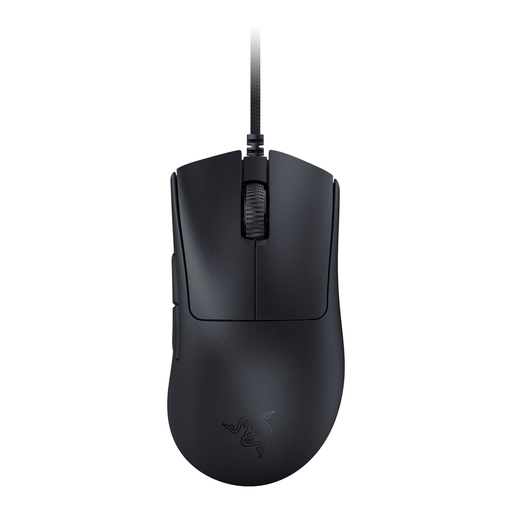
Why It Stands Out The Razer DeathAdder V3 builds on an iconic ergonomic shape but in an ultra-lightweight package of just 59 grams. This model is wired and focuses purely on speed with Razer's proprietary 8000Hz HyperPolling technology. According to the manufacturer, this minimises input lag to a fraction of a millisecond.
Advantages
Who Is It For? For the right-handed, competitive FPS gamer who seeks the absolute lowest input lag and prefers the reliability of a wired connection.
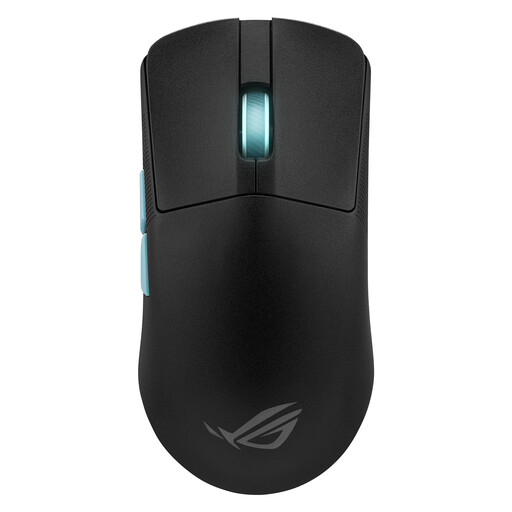
Why It Stands Out This wireless gaming mouse weighs only 54 grams and has a symmetrical design, making it suitable for both left- and right-handed players. The collaboration with Aim Lab, a well-known aim trainer, suggests a strong focus on precision. The mouse offers flexible connectivity via RF wireless, Bluetooth, and USB.
Advantages
Who Is It For? For gamers seeking an ultra-lightweight, wireless mouse with a symmetrical shape. Both left- and right-handed players who value connection flexibility will appreciate this model.
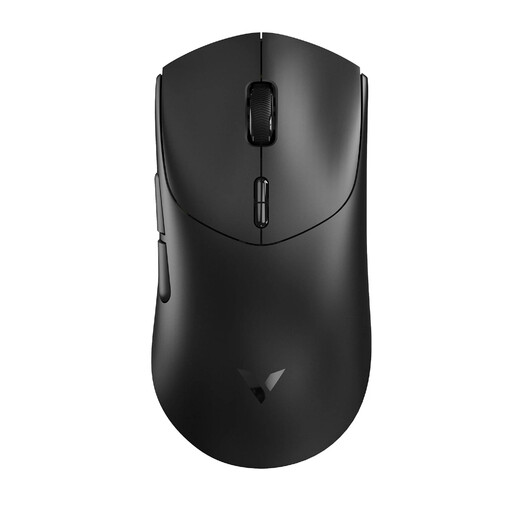
Why It Stands Out The RAPOO VT7 combines an extremely low weight of 53 grams with impressive wireless specifications. According to the manufacturer, this model offers a "True 8K" wireless polling rate, which is exceptional for a wireless mouse. Additionally, RAPOO claims a battery life of up to 750 hours at 1000Hz, eliminating the need for frequent recharging.
Advantages
Who Is It For? For the gamer who wants the technical advantages of a high polling rate but doesn't want to give up the freedom of a wireless gaming mouse. Its ultra-low weight and long battery life make it a strong contender for marathon gaming sessions.
Choosing a professional gaming mouse is a personal decision. If you're looking for models with specific features, such as extra programmable buttons for MMOs or other genres, it's worth exploring further.
Check out our full range of computer mice with side buttons for more options that suit your playstyle.
Many professional FPS players use a relatively low DPI, often between 400 and 1600, as this offers more control and precision when aiming. However, a mouse with a high maximum DPI (e.g., 20,000+) usually has a very accurate sensor, which is an indication of its overall quality.
Generally, yes. A lighter mouse allows you to react faster, make quick flicks, and track your target with less effort. This can reduce fatigue in your wrist and arm during long play sessions, contributing to consistent performance.
