
Vandaag of morgen in huis

Kwaliteit gegarandeerd

Welkomstaanbiedingen ontgrendelen: GRATIS bezorging | Tot 80% korting | Gratis 30 dagen JoyPlus-proefperiode
Download de app
A lightweight face cream should feel comfortable, absorb quickly and suit your skin type. However, choosing one online is not always straightforward. A gel cream may seem suitable for oily skin, yet still provide too little comfort for dry skin. A day cream with SPF can be convenient, but a low protection factor does not automatically replace a dedicated sun-care product during prolonged exposure.
As a Joybuy Product Recommendation Officer, I filter the key product information based on verifiable specifications. This helps you see more quickly which cream fits your daily routine and which marketing claims are best treated with a degree of caution.
A watery gel feels refreshing, but it does not always contain enough soothing or moisture-retaining ingredients for dry skin. So check the ingredients list. Glycerine, panthenol, hyaluronic acid, squalane and shea butter are often used to attract moisture or help the skin feel comfortable. An ingredient’s position in the list indicates its approximate amount, but does not precisely predict how your skin will respond.
A day cream with SPF combines skincare with a stated UV protection factor. However, the level of protection also depends on how much you apply and whether you reapply it. SPF 15 or SPF 30 is therefore not a licence to stay in the sun for prolonged periods. For intense exposure, exercise or a full day outdoors, a separate sun-care product is often more practical.
Also pay attention to the difference between SPF and UVA labelling. SPF mainly refers to protection against UVB. A product with stated UVA protection provides broader information about its UV filter system.
A brightening face cream may contain ingredients such as niacinamide, vitamin C derivatives, tranexamic acid or certain plant extracts. That does not automatically mean that pigmentation will disappear. According to a brand’s own research, visible results may be measured under specific conditions; your results may differ.
When using products for pigmentation, apply suitable sun protection during the day and stop using the product if irritation occurs. Avoid medical expectations: a cosmetic cream is not a treatment for a skin condition.
A “gel cream” is a texture category, not a fixed recommendation for a particular skin type. A formula can feel lightweight while still containing nourishing oils or butters.
For daily hydration, glycerine, panthenol, betaine and hyaluronic acid are relevant ingredients to compare. If you want to care for an uneven complexion, look for niacinamide or vitamin C derivatives. Products containing fragrances, essential oils or alcohol may feel less comfortable for some users.
Always check the current packaging, as formulations may change. If you have a known allergy, the ingredients list is more important than a claim on the front of the pack.
A 40 or 50 ml jar is compact for everyday use, while 75 or 100 ml may be more appealing if you apply the product generously. A night cream is not automatically a lightweight day cream: a richer texture may be specifically intended for use overnight. A body cream is not automatically suitable for the face either.
Apply a hydrating face cream to clean skin. With a product containing SPF, the cream should be the final step in your morning routine, unless the product information states otherwise.
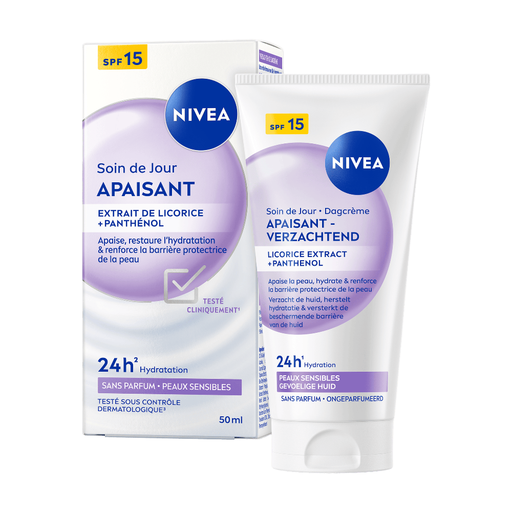
Why it suits this profile: A practical day cream for anyone looking to combine hydration, a fragrance-free formula and modest SPF in one product.
The product information states SPF 15, a fragrance-free formula and use for sensitive skin. Do not expect complete sun protection during prolonged exposure.
50 ml, glycerine and panthenol in the ingredients list, fragrance-free and pH-neutral according to the product description.
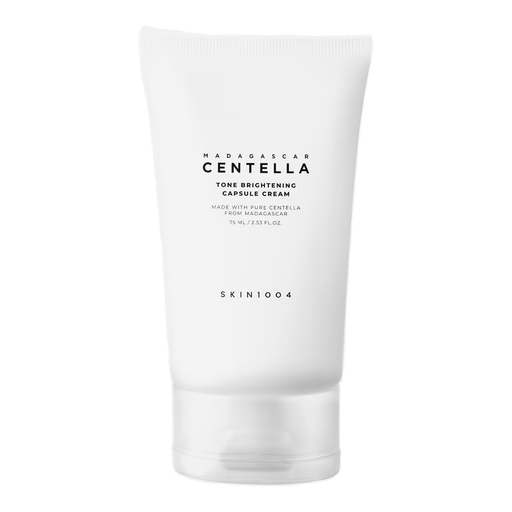
Why it suits this profile: A Korean skincare cream for anyone looking to combine a lightweight facial texture with several caring ingredients.
The product description mentions a quick-absorbing formula that is free from fragrance and alcohol. Brightening claims come from the brand’s product information.
75 ml, 60% Centella Asiatica extract according to the product details, plus niacinamide, tranexamic acid and panthenol.
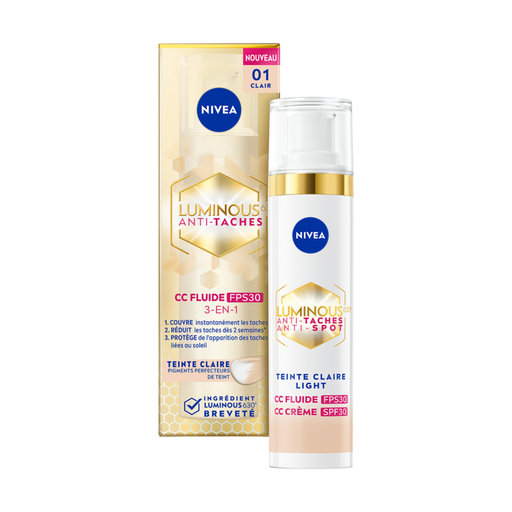
Why it suits this profile: Suitable for anyone looking to combine daily skincare with a light tint, even-looking coverage and SPF 30.
The SPF factor and tint are clearly stated in the product name. According to NIVEA’s own research, LUMINOUS630 may affect the visibility of pigmentation; this is not a guaranteed personal result.
40 ml, SPF 30, tinted micro-encapsulated pigments according to the product description, and sodium hyaluronate in the ingredients list.
We have put together a complete, up-to-date list of products that fully meet these strict selection criteria and the applicable European safety regulations.
Do not look only at the texture, but also at ingredients such as glycerine, panthenol, shea butter, squalane or hyaluronic acid. A lightweight cream may be enough during the day; if your skin feels tight, a richer formula may be more suitable in the evening.
That depends on the SPF factor, how much you apply and your exposure to the sun. For everyday commuting, a day cream with SPF can be practical. If you are outdoors for prolonged periods, swimming or perspiring, a separate sun-care product that you reapply is the wiser choice.
Follow the expiry date and the period-after-opening information on the packaging. Store the cream in a cool, dry place away from direct sunlight, and close the packaging after use. A change in smell, colour or texture is a reason to stop using the product.
