
Vandaag of morgen in huis

Kwaliteit gegarandeerd

Welkomstaanbiedingen ontgrendelen: GRATIS bezorging | Tot 80% korting | Gratis 30 dagen JoyPlus-proefperiode
Download de app
A lightweight expandable backpack may seem easy to choose at first glance. However, small differences in capacity, materials and compartment layout can have a significant impact on everyday use. A bag that feels comfortable on a short train journey may become inconvenient during a rainy bike ride or a weekend trip.
For commuters, students, hikers and travellers, these three pitfalls are especially important:
A 10-litre backpack is suitable for everyday essentials such as a tablet, small laptop, documents, water bottle and accessories. For extra clothing or groceries, a 13-litre expandable backpack is more practical.
Do not look only at the maximum capacity. Also check:
According to the product specifications, the Beneunder LC183 has a capacity of 10 litres in its standard configuration and 13 litres when expanded. The stated dimensions are 13.2 × 6.1 × 12.8 inches, equivalent to approximately 33.5 × 15.5 × 32.5 centimetres. The listed bag weight is 8.3 ounces, or approximately 235 grams.
A nylon backpack is often lightweight and flexible. The Beneunder LC183 is described as being made from high-quality, soft nylon, combined with a protective fabric designed, according to the product description, to withstand wind, rain and stains.
That does not automatically mean the bag can withstand prolonged heavy rain or submersion. Therefore, check whether the product page uses terms such as:
Even with a waterproof backpack for everyday use, a rain cover or waterproof inner sleeve is still advisable if you are carrying a laptop, documents or a camera. According to the brand’s own information, the Beneunder fabric is designed to better withstand wind, rain and stains. That is a useful feature for normal commuting, but the description does not provide a classification for prolonged submersion.
A bag weighing less than 300 grams feels comfortable when walking, but carrying comfort also depends on the shoulder straps, back panel and how the bag is packed. Wide, adjustable straps help keep the bag stable. A heavy laptop or full water bottle should be positioned as close to your back as possible.
A commuter backpack should ideally include:
A backpack with hidden pockets can be useful for a passport, wallet or public transport card. However, check where the pocket is located and whether it remains accessible when the bag is fully packed. The Beneunder LC183 comes with hidden pockets and an organised layout, but the exact laptop size is not included in the supplied product specifications. Measure your laptop in advance.
The choices below are based on the stated capacity, weight, materials and features. Product claims about protection or durability are presented as information from the brand’s product description.
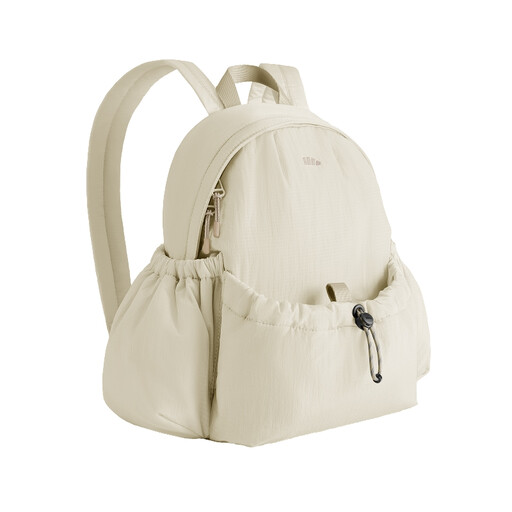
Why it’s a good fit: Suitable for students and commuters looking for a compact everyday bag with extra room when needed.
The capacity is clearly stated in both configurations: 10 litres in standard mode and 13 litres when expanded. Its rain resistance is not presented as protection against submersion.
Listed weight of approximately 235 grams, nylon construction, expandable design and hidden pockets.
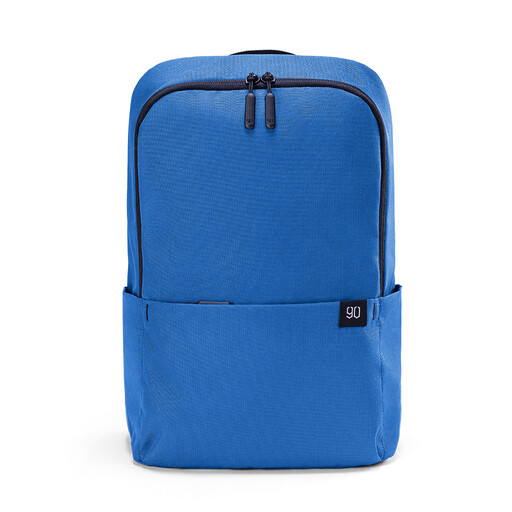
Why it’s a good fit: A practical choice for everyday use, short walks and trips where a fixed 12-litre capacity is sufficient.
The product description specifies a fixed capacity of 12 litres and advises against filling the bag beyond the recommended limit.
Listed weight of 194 grams, water-repellent material, adjustable straps and a hidden front pocket.
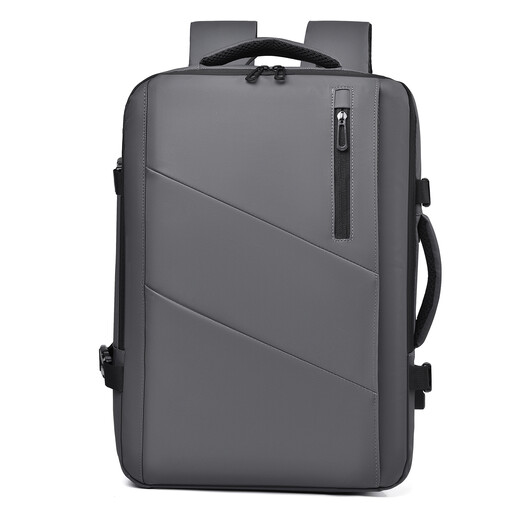
Why it’s a good fit: For weekend trips, business travel and users carrying more clothing or equipment than fits in a compact backpack.
The standard and expanded capacities are listed separately: 25 to 35 litres. This makes comparison with a 10- or 13-litre bag easier.
Larger capacity, multiple compartments and a design intended for travel, commuting and carrying luggage.
A compact travel backpack of approximately 10 to 13 litres is suitable for a day trip, city walk or light commuting setup. Think of a laptop or tablet, charger, bottle, lunch and a lightweight jacket. For camping gear, bulky clothing or multi-day travel, a larger model is the more logical choice.
A foldable model, such as the NatureHike 30D Nylon Ultralight Foldable Backpack, may be useful as a spare bag while travelling. The product name states 30D nylon, ultralight, foldable and waterproof. Always check the exact capacity, dimensions and closure on the product page before using this bag as your primary hiking backpack.
Wipe nylon with a damp cloth and allow the backpack to air-dry. Avoid machine washing and prolonged exposure to direct heat if specified by the manufacturer. Do not overload zips and seams; these are precisely the areas where damage can occur. A water-repellent coating may become less effective through intensive use and washing.
View the Beneunder LC183 or compare other models through the category for a space-saving backpack.
Browse our current range of space-saving backpacks and compare capacity, materials, dimensions and organisation to find the right option for your needs.
Yes, provided the bag offers enough room for your laptop, documents and everyday essentials. Pay particular attention to the laptop dimensions, shoulder straps and protection from rain. If you cycle in heavy rain, a separate rain cover is advisable.
That depends on the laptop size and the shape of the lunchbox. A 10-litre bag may be sufficient for a compact loadout. If you are also carrying a jacket, bottle and accessories, an expandable capacity of up to 13 litres provides greater flexibility.
Its lifespan depends on the load, frequency of use, zip quality and maintenance. Avoiding overloading, protecting the bag from sharp objects and cleaning it according to the care instructions can help limit wear. When buying, also check the seams, zips and shoulder-strap attachments.
