
Vandaag of morgen in huis

Kwaliteit gegarandeerd

Welkomstaanbiedingen ontgrendelen: GRATIS bezorging | Tot 80% korting | Gratis 30 dagen JoyPlus-proefperiode
Download de app
A lightweight cabin suitcase might seem easy to choose, until you reach the gate and discover that its dimensions don’t meet your airline’s requirements. A low price also tells you little about carrying comfort, organisation or how long it will last.
For holidaymakers, business travellers, students and weekend travellers, there are three pitfalls to watch out for:
Always check the product dimensions, weight and the conditions for your flight before ordering.
A cabin suitcase measuring 53 × 36 × 18 cm offers different options from a small bag measuring 40 × 30 × 20 cm. The distinction between a small personal item and paid cabin baggage is particularly important when it comes to Ryanair cabin baggage and easyJet cabin baggage.
Keep these points in mind:
According to the product description, the Kono cabin suitcase measures 53 × 36 × 18 cm, has a capacity of around 33 litres and weighs approximately 1.46 to 1.7 kg. The product information says it is suitable for airlines including Ryanair Priority, easyJet and British Airways. This isn’t a blanket guarantee, so always check your own booking and the latest requirements.
A lightweight suitcase leaves you more room within any applicable weight limit. However, you should also consider its construction. Key features include:
A two-wheeled trolley case can be practical on pavements, platforms and uneven surfaces. The trade-off is that you’ll need to pull it slightly behind you as you walk.
A soft polyester suitcase can be more flexible to pack than a hard shell. Check the fabric density, seams, zips and reinforced panels. A product described as a water-repellent travel bag isn’t necessarily waterproof. Don’t rely on it to provide complete protection in prolonged rain.
Also look for:
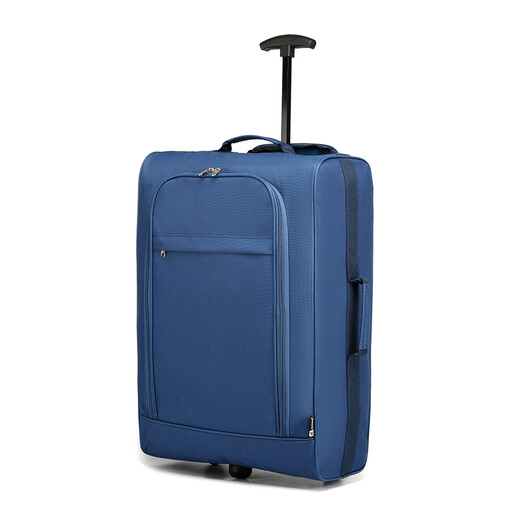
Why it suits this traveller: The dimensions, weight and capacity are clearly stated, making it easy to compare this cabin suitcase with your flight’s requirements.
The product information lists the external dimensions, weight and example airlines. Still, check for yourself whether 53x36x18 cm is permitted with your ticket.
Around 33 litres of capacity, 600D polyester, a fully opening front panel, a front pocket and two wheels.
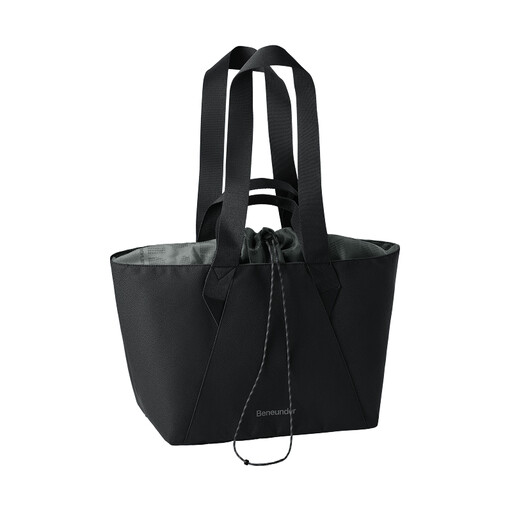
Why it suits this traveller: This lightweight weekend bag is ideal if you have limited storage space but want a roomy, foldable bag ready to use.
According to the product details, the bag weighs around 220 grams and has a standard and expanded capacity. This gives you a clear idea of what expanding it means.
20 litres as standard, up to 35 litres when expanded, a foldable design and an internal compartment with a divider.
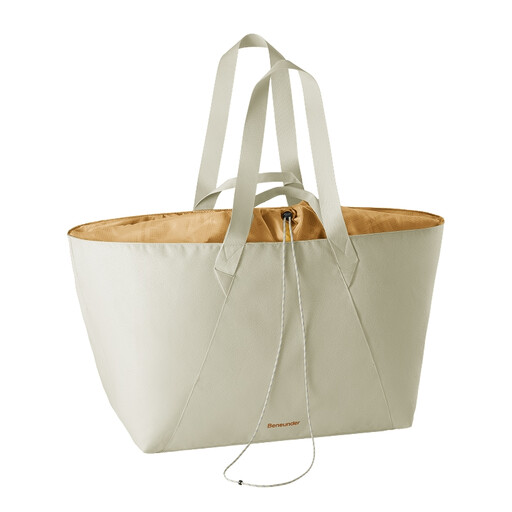
Why it suits this traveller: This expandable travel bag is designed for long trips, moving house or carrying bulky luggage. It’s less suited to use as compact free cabin baggage.
The maximum capacity of 140 litres is clearly listed alongside the standard capacity of 75 litres. Only fill the bag within the permitted dimensions and weight limits.
Around 398 grams, expandable to 140 litres, several internal pockets and a stated maximum load capacity of 50 kg.
Choose a lightweight cabin suitcase if structure, wheels and a telescopic handle matter to you. For a weekend trip or business meeting, a model with a front pocket is handy for documents and electronics.
A foldable travel bag is a better choice if you want to store it compactly when empty or need extra baggage for the return journey. For everyday work, look for a travel bag with a laptop compartment. The Kono cabin bag in 40 × 30 × 20 cm is described in its product name as water-repellent and as having a laptop compartment and wet-and-dry storage. As the full product description isn’t available, check the exact capacity and dimensions on the product page before buying.
We’ve put together a complete, up-to-date list of products that meet these strict selection criteria and the applicable European safety requirements.
It depends on your airline and ticket. A lower suitcase weight leaves more room for clothes and accessories. So compare more than just the weight: check the dimensions, wheels, handles and capacity too.
That depends on your ticket and the baggage option you’ve chosen. The Kono suitcase description gives Ryanair Priority as an example, but you should check the latest requirements for your own booking. Measure the fully packed suitcase, including any parts that stick out.
Its lifespan depends on how much you pack, the surfaces it’s used on, how often the zips are used and how it’s stored. Avoid overpacking, don’t constantly pull a two-wheeled suitcase over rough surfaces, and follow the care instructions. Polyester and synthetic materials can usually be cleaned with a soft or damp cloth; harsh cleaning products may damage the material.
