
Vandaag of morgen in huis

Kwaliteit gegarandeerd

Welkomstaanbiedingen ontgrendelen: GRATIS bezorging | Tot 80% korting | Gratis 30 dagen JoyPlus-proefperiode
Download de app
A lightweight bag is handy for commuting, shopping, school, sports and weekend trips. But a low weight alone doesn’t tell you much. A bag can be light yet still be impractical if it has a narrow opening, isn’t comfortable to carry or is made from material that won’t stand up to everyday use.
Focus instead on the balance between weight, capacity, carrying style and protection. Below, you’ll find the main things to consider, along with some suitable styles for different needs.
A roomy tote may seem appealing, but without an internal pocket, your keys, phone and cards can quickly disappear to the bottom. For a large travel bag or foldable bag, check whether it has pockets, a zipped pocket or a divider.
A water-repellent bag can help keep out light rain or splashes. That doesn’t automatically mean it can withstand heavy rain for long periods or being submerged. Check the fastening, too: water can get in more easily through an open top than through a zip or drawstring closure.
For a foldable bag or expandable style, the largest capacity is often the one that gets highlighted. In practice, the bag may be much more compact in its regular configuration. Check both figures, for example 20 litres in its regular configuration and 35 litres when expanded. Also check that the shoulder straps and seams are suitable for the load you intend to carry.
For everyday use, a bag weighing around 100 to 300 grams is often a sensible choice, depending on its construction. A small 98-gram crossbody bag is suitable for the essentials, while a large 398-gram travel bag offers more material and carrying capacity.
Always compare:
A 16-litre bag works well as an extra shopping bag or everyday carryall. For sports kit, coats or travel luggage, a 35-litre style or larger makes more sense.
Nylon and polyester are commonly used for nylon bags and lightweight shoulder bags. According to the product specifications, some styles can resist oil, stains, wear or splashes. Treat this as a product specification, not a guarantee of protection in all weather conditions.
Check the care instructions, too. For several styles, it’s recommended that you wipe the surface with a damp cloth and leave it to air dry. Machine washing, bleach, harsh cleaning products and high heat can affect the bag’s shape or protective properties.
A shoulder bag, crossbody bag and rucksack distribute weight differently. An adjustable strap is useful if you want to switch between carrying the bag over your shoulder, across your body or closer to you. For laptops, a dedicated laptop compartment matters more than simply having a large main compartment.
If you’re looking for a 15.6-inch laptop rucksack, check your laptop size and the bag’s internal dimensions. A water-repellent outer material also doesn’t automatically protect against moisture getting in through zips or openings.

Why it suits this profile: This compact foldable bag is designed for shopping, everyday use and as a spare bag when travelling. According to the product specifications, it weighs around 64 grams and has a capacity of 16 litres when expanded.
Its compact folded form makes its capacity clearer than a large capacity claim alone. According to the product specifications, the wide shoulder straps are designed for comfortable carrying.
Around 64 grams, 16 litres of expanded capacity and a separate storage pouch.
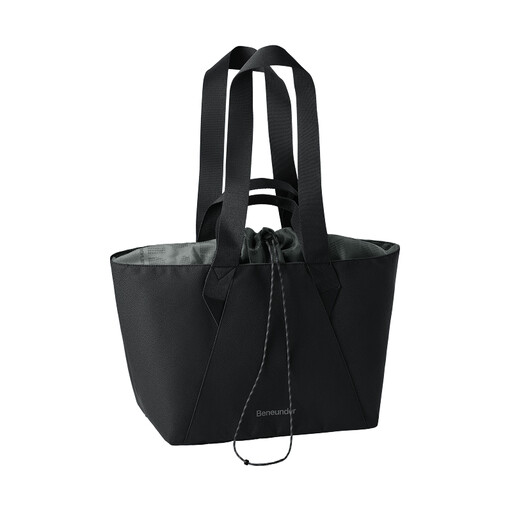
Why it suits this profile: This style is ideal if you’re looking for a roomy tote for sports, weekend trips, shopping or extra luggage. According to the product specifications, it has a capacity of 20 litres in its regular configuration and 35 litres when expanded.
The two capacity figures give you a clearer idea of how the bag can be used. An internal pocket and divider help keep smaller items separate.
Around 220 grams, foldable, up to 35 litres of capacity and wide carrying straps.
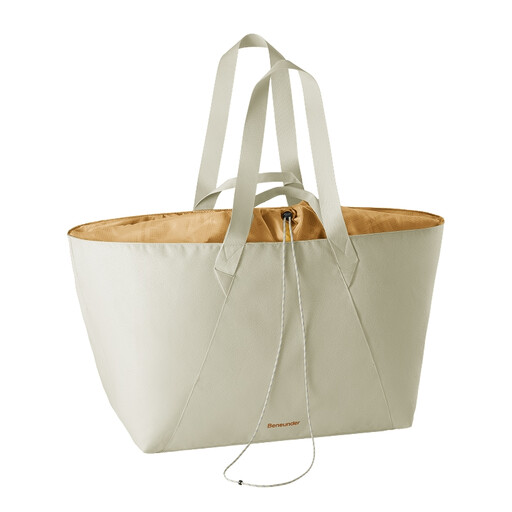
Why it suits this profile: This is a large travel bag for moving house, long journeys or bulky luggage. According to the product specifications, its capacity expands from 75 to 140 litres, and its stated maximum load capacity is 50 kilograms.
The regular and expanded capacities are listed separately. Before use, always check that your planned luggage is within the stated load capacity.
Around 398 grams, 75 to 140 litres of capacity, several internal pockets, and the option to carry it by hand or as a rucksack.
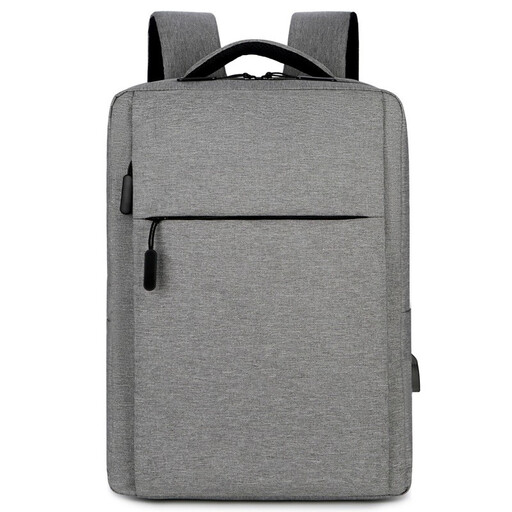
Why it suits this profile: This 15.6-inch laptop rucksack is designed for the office, travel and everyday commuting. The product name specifies a water-repellent outer material, several pockets and a lightweight design.
The laptop size and bag type are clearly stated. Even so, check your device’s exact dimensions before buying.
For 15.6-inch laptops, with several external pockets and a water-repellent finish according to the product listing.
We’ve put together a complete, up-to-date list of products that meet these strict selection criteria and the applicable European safety regulations.
A crossbody bag with a capacity of around 1 to 4 litres is often enough for your phone, wallet, keys and small accessories. For shopping, sportswear or a coat, a foldable bag with a capacity of 16 to 35 litres is more practical. Choose a rucksack if you regularly carry a laptop or heavier items.
Follow the product’s care instructions. For the styles mentioned, it’s usually recommended that you remove stains with a damp cloth and leave the bag to air dry. Don’t use harsh cleaning products, and avoid machine washing unless it’s specifically permitted.
A water-repellent bag can offer extra protection in light rain, but it isn’t automatically waterproof. If you’re cycling in changeable Dutch weather, look for a secure closure, protected zips and, if needed, a separate rain cover.
