
Vandaag of morgen in huis

Kwaliteit gegarandeerd

Welkomstaanbiedingen ontgrendelen: GRATIS bezorging | Tot 80% korting | Gratis 30 dagen JoyPlus-proefperiode
Download de app
A lightweight backpack may seem easy to choose at first glance. Yet many people buy a bag that proves awkward after just a few weeks: too little space, inadequate protection from British rain or straps that do not fit properly. A low price or striking product claim does not automatically say anything about how it will perform in everyday use.
So pay particular attention to these three common pitfalls:
For everyday use, a 10-litre backpack is suitable for items such as a phone, wallet, water bottle and light clothing. A 20-litre model offers more room for lunch, sportswear, documents or a small laptop.
For travel, the choice is different. An expandable backpack with a capacity of 25 to 35 litres can be practical for a weekend trip. A 45-litre backpack is more suitable for trekking, backpacking or spending several days outdoors. Bear in mind that greater capacity often means you are more likely to overpack the bag.
As well as the number of litres, look at the dimensions. A laptop backpack should not only have a laptop compartment, but also be large enough for the size of your device and its charger.
Terms such as water-repellent, water-resistant and waterproof do not always mean the same thing. According to the product description, the Beneunder LC183 is made from nylon with protection against wind, rain and stains. This makes the model interesting as a water-repellent backpack for commuting, but always check the current product information before using the bag in prolonged heavy rain.
The OutdoorMaster Snow Sport Travel Backpack states that it is made from water-resistant recycled fabric and comes with a separate rain cover. This is a specific feature to include in your comparison. A rain cover protects the outside, while valuable items should ideally still be stored in a separate waterproof pouch.
Look for:
According to the product description, the PELLIOT Trail Running Backpack has an adjustable harness, chest strap and hip belt. The sizing is linked to torso length and waist measurement. That is more relevant than simply using the term “ergonomic” in a title.
A backpack for commuting generally benefits from a well-organised laptop and document layout. For sports and hiking backpacks, a hydration bladder compartment, easily accessible pockets and attachment loops are often more important.
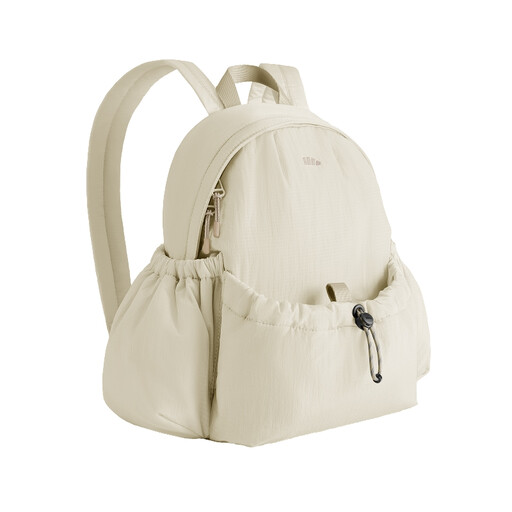
Why it suits this profile: A compact choice for everyday shopping, short walks, school or commuting. According to the product information, the bag weighs 8,3 oz, approximately 235 grams.
The capacity is not excessive: 10 litres in its standard configuration and, according to the product description, 13 litres when expanded. The fabric is described as wind-, rain- and stain-resistant; this is not a guarantee of complete waterproofing.
Lightweight nylon, an expandable design, hidden pockets and a layout for documents and personal belongings.
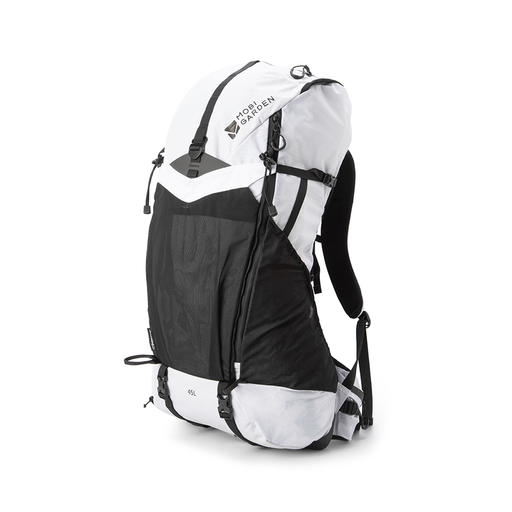
Why it suits this profile: Designed for hikers and backpackers looking for a spacious, technical bag for multi-day trips.
The listed specifications include not only the volume, but also the weight of approximately 1,35 kg, a hip belt and a chest strap. This allows you to compare the carrying system realistically with that of a standard daypack.
45-litre capacity, 3D-ventilated back panel, separate hydration bladder compartment and Dyneema composite fabric according to the product details.
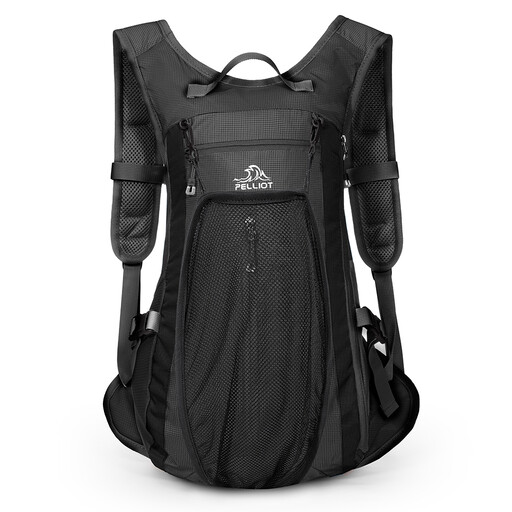
Why it suits this profile: For running, cycling and intensive walks where a stable fit and quick access to your belongings are important.
The bag is available in different fits based on torso length and waist measurement. Check the size chart rather than relying solely on the 20-litre capacity.
Hard-wearing polyester fabric, multiple compartments, an adjustable harness and compatibility with a hydration bladder according to the product description.
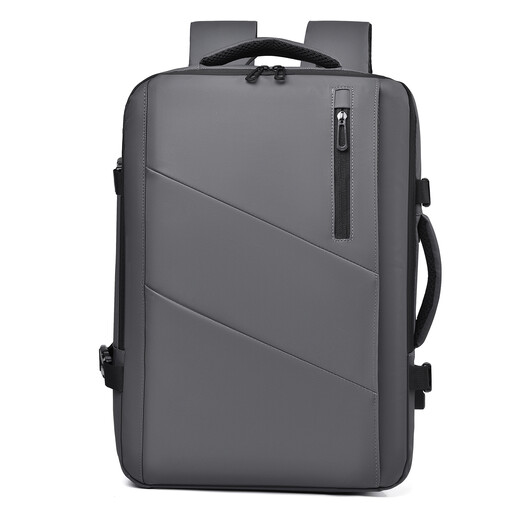
Why it suits this profile: Handy if you want to use one travel backpack for work, a short train journey or a weekend away.
The stated capacity ranges from 25 to 35 litres. When using it as hand luggage, always check the carrier’s dimensions and conditions; “carry on” is not a universal size guarantee.
Expandable capacity, multiple compartments and a design described as water-resistant in the product title.
We have put together a complete, up-to-date list of products that fully meet these strict selection criteria and the applicable European safety regulations.
For most working days, 15 to 25 litres is a good guideline. Choose 10 litres if you carry very little, or 20 litres if you need room for lunch, clothing or a laptop. Always check the dimensions of the laptop compartment.
Its lifespan depends on the materials, zips, seams, load and maintenance. A bag that is filled heavily every day will wear out faster than one used lightly. Follow the care instructions, avoid overloading the bag and allow a wet backpack to air-dry.
A foldable backpack is practical as a spare for shopping, travel or an additional walk. For everyday use with a laptop or heavy items, a model with a sturdier back panel and protected compartments is often more suitable. So do not only check how small the bag folds down; also consider the carrying system and maximum recommended load.
