
Vandaag of morgen in huis

Kwaliteit gegarandeerd

Welkomstaanbiedingen ontgrendelen: GRATIS bezorging | Tot 80% korting | Gratis 30 dagen JoyPlus-proefperiode
Download de app
A lightweight backpack may seem easy to choose, but product pages do not always explain what you actually need in practice. For example, a bag may be light but not have enough room for a laptop or books. Similarly, “water-repellent” does not automatically mean your belongings will stay dry during a long cycle ride in the rain.
For students, pupils, commuters and working professionals, three things matter most: the backpack’s own weight, its layout and the protection it offers against everyday weather. Below, you’ll find what to look out for and which models suit different situations.
An ultra-light backpack weighing less than 250 grams is ideal for a short walk or trip to the shops, but carrying comfort also depends on the shoulder straps, back panel and how the contents are distributed. Narrow or barely adjustable straps can be inconvenient when you use the bag every day.
So, check whether the straps are adjustable and whether the size suits your build. A mini backpack is practical for a phone, purse and small water bottle, but less suitable for books or a laptop.
A water-repellent backpack will generally protect against light rain and splashes. This is different from a completely waterproof construction with sealed seams. According to the product information for the models mentioned, they use water-repellent materials or have a water-repellent rating; prolonged exposure to heavy rain is not recommended.
For important electronics, consider using a separate protective cover. This helps prevent a marketing term from creating unrealistic expectations during your daily commute.
A backpack with lots of compartments keeps small items organised, but having many sections can sometimes reduce the space available for larger items. Think in advance about what you carry every day:
For everyday essentials only, a compact 4.4-litre backpack may be sufficient. If you carry extra items, you may be better off with a 10-litre backpack or 12-litre backpack.
A backpack’s weight is usually stated without its contents. A 194-gram model feels different from a bag weighing almost 500 grams, especially when you carry it for longer periods. At the same time, the capacity determines how much you can realistically take with you.
A capacity of around 4 to 5 litres is suitable for a phone, purse, small accessories and a few personal items. A 10-litre backpack offers more flexibility for a water bottle, book and lightweight clothing. For a tablet, several books or everyday office essentials, 12 litres may be more suitable.
Bear in mind that a larger capacity does not automatically mean the bag will remain comfortable. Overfilling can put additional strain on the shape, zips and seams. The product information for these models therefore recommends not exceeding the stated capacity.
If you’re looking for a backpack for a laptop, always check the laptop compartment rather than relying solely on the product name. The NINETYGO College-Style Dual-Shoulder Backpack product name states support for laptops up to 15.6 inches, while the specification in the product description mentions a laptop of up to 14 inches. Measure your device and check the details before purchasing.
A small backpack for school or work is only suitable for a laptop if it provides enough width, height and protection. For a tablet or e-reader, a simpler main compartment is often sufficient.
Product information may include terms such as tear-resistant fabric, 900D and water-repellent. These terms describe material properties but do not provide a general guarantee of a particular lifespan. Also check the care instructions:
A hard-wearing fabric is particularly important for a backpack for school or work that is put down, filled and carried every day. For lighter use, a softer and lighter material may be more practical.
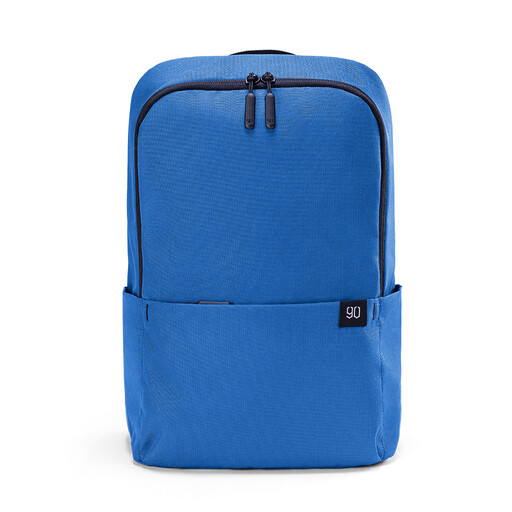
Why it suits this profile: According to the product information, this ultra-light backpack offers a 12-litre capacity and weighs 194 grams. It is suitable for users looking for a simple bag for a tablet, books and everyday essentials.
The stated capacity is larger than that of many mini backpacks, while the bag itself remains lightweight. According to the product description, the bag is water-repellent rather than completely waterproof.
194 grams, 12-litre capacity, adjustable shoulder straps, a concealed front pocket and side pockets for a bottle or umbrella.
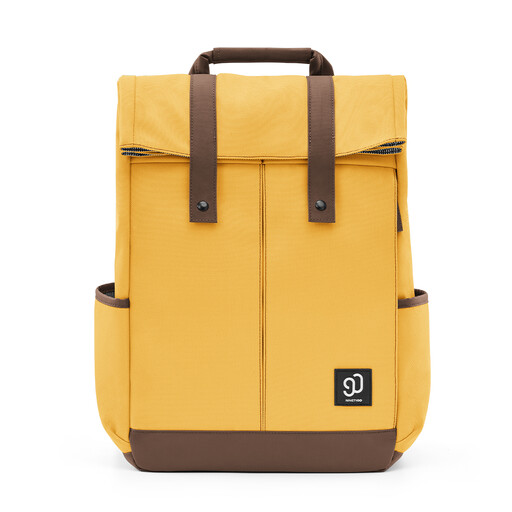
Why it suits this profile: This model is designed for school and work, with several front pockets, side laptop access and reinforced fabric. However, check the exact laptop size, as the product information lists different measurements.
The layout keeps small items within easy reach without requiring you to open the main compartment fully. The material is described as 900D tear-resistant and water-repellent; heavy rain should be avoided.
900D fabric according to the product description, three front pockets, a side zip for laptop access and reinforced side pockets.
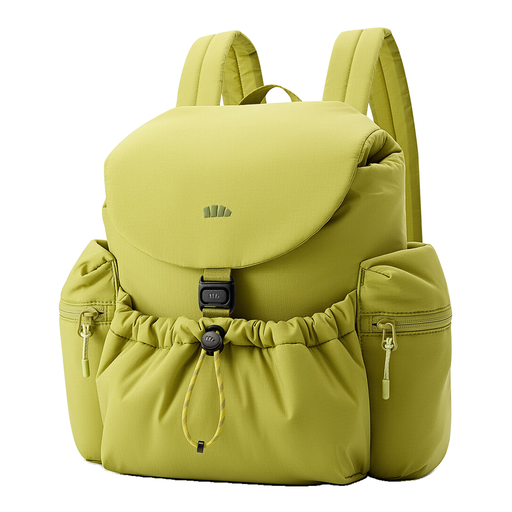
Why it suits this profile: According to the product information, this compact backpack has a 10-litre capacity and seven storage compartments. It is useful for commuters or shoppers who want to keep small items separate.
The layout prevents a small bag from becoming one large, disorganised compartment. The brand describes the material as having a level 4 water-repellent rating; the exact composition is not specified.
10-litre capacity, seven compartments, adjustable carrying options and a stated weight of approximately 249 grams.
We’ve put together a complete, up-to-date list of products that fully meet these strict selection criteria and the applicable European safety regulations.
A small backpack with a 4.4-litre capacity is particularly suitable for light outings, shopping and commuting without a laptop. For school, 10 to 12 litres is often more practical, especially if you carry a book, water bottle and accessories. A backpack for work with a laptop compartment also requires extra attention to the dimensions and protection of the device.
If you mainly carry a phone, keys and purse, a mini backpack may be all you need. If you regularly switch between the office, train and bicycle, adjustable straps, a separate front pocket and material that can withstand light rain will be more useful.
That depends on the size and internal layout. Check the stated laptop size and compare it with the dimensions of your own laptop. A bag that is suitable for a tablet is not automatically suitable for a laptop.
Its lifespan depends on the material, load, use and care. A lightweight bag may be suitable for everyday use, but overfilled compartments, sharp objects and prolonged rain can put extra strain on the fabric and zips. Follow the cleaning instructions and do not load the backpack beyond its recommended capacity.
Choose 10 litres if you mainly carry small essentials, a bottle and a thin layer of clothing. 12 litres provides extra room for books, a tablet or everyday accessories. Consider what you usually carry before buying; extra capacity is only useful if you actually use the space.
