
Vandaag of morgen in huis

Kwaliteit gegarandeerd

Welkomstaanbiedingen ontgrendelen: GRATIS bezorging | Tot 80% korting | Gratis 30 dagen JoyPlus-proefperiode
Download de app
A lightweight backpack can make daily travel easier, but a low weight alone doesn't tell you much. A bag can be light yet still uncomfortable to carry, leak quickly, or offer too little space for what you actually need to take with you. For commuters, students, travellers and hikers, the choice comes down to the right combination of weight, capacity, comfort and protection.
An ultralight backpack weighing less than half a kilo sounds appealing. However, a thin model can be less comfortable once you pack a laptop, books or hiking gear. So always check the capacity, shoulder straps, back construction and maximum load.
A backpack weighing 194 grams, for example, is suitable for light everyday items, but not automatically for heavy shopping or a full hiking kit.
Water-resistant fabric helps with light rain or splashes, but that doesn't mean the contents will stay dry for long in a heavy downpour. Pay attention to the exact product description. Also check whether the zips, seams and back panel offer extra protection.
With a foldable waterproof backpack, it's wise to verify whether the claim refers to the fabric, the entire construction, or a specific use case.
A 45-litre trekking backpack offers space for several days, but is unnecessarily large for commuting. A compact 12-litre backpack is easier to take on trains, buses or planes, but offers less room for clothing and camping gear.
Choose the capacity based on your regular luggage:
Compare the empty weight with the capacity. A bag weighing 194 grams with 12 litres of capacity is a different category from a hiking backpack weighing 1.35 kilograms with 45 litres of capacity. The heavier model, thanks to a hip belt, chest strap and sturdier back panel, may actually be more suitable for a larger load.
Pay attention to these elements:
A backpack with a breathable back panel can help reduce heat and moisture between your back and the bag. According to the product description of the Mobi Garden models, the 3D back panel is designed to promote air circulation. Consider this a construction feature, not a guarantee of a certain comfort level for every user.
Check the material and care instructions. Tear-resistant fabric can be practical for daily use, but sharp objects can damage even sturdy materials. The NINETYGO Tiny Backpack is described in the product description as being made from tear-resistant, water-resistant fabric and can be hand washed and air dried.
For hiking and trekking use, these points are particularly relevant:
Always follow the care instructions. With water-resistant fabrics, do not use harsh cleaning agents or abrasive brushes if the product description warns against them.
A laptop backpack shouldn't just have a laptop compartment, but also space for a charger, documents and personal items. A daypack for hiking is better served by side pockets, a hydration compartment and attachment points for walking poles.
Check before you buy:
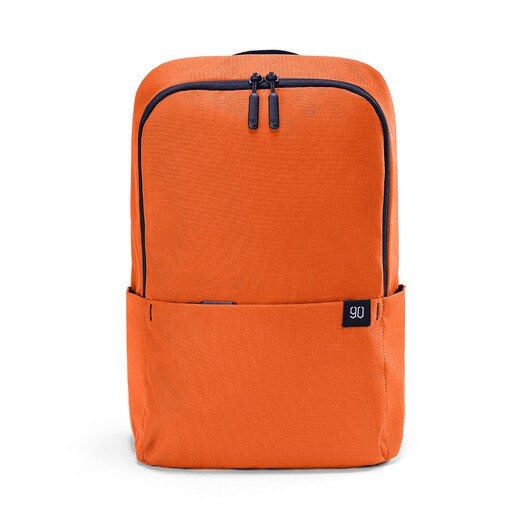
Why this fits the profile: This compact backpack is designed for everyday use, for example for a tablet, a few books and personal items. According to the product information, the empty weight is 194 grams and the capacity is 12 litres.
The capacity and weight are clearly stated. This means you can see straight away that this model is intended for light luggage and not for heavy trekking gear.
194 grams, 12-litre capacity, hidden front pocket and side pockets for a bottle or umbrella. The fabric is described as water-resistant.
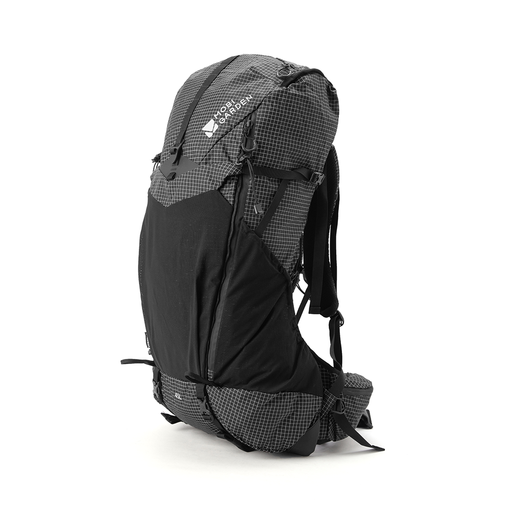
Why this fits the profile: The combination of 45 litres of capacity, a separate waterproof hydration compartment and a ventilated 3D back panel makes this suitable for lightweight multi-day backpacking.
The bag has an adjustable chest strap and hip belt, so the larger capacity doesn't have to rest solely on your shoulders. The stated capacity makes the intended use clear.
45 litres, approximately 1.35 kilograms, Dyneema composite fabric according to the product description, and multiple attachment points for walking poles or a sleeping mat.

Why this fits the profile: This model is interesting for travellers and hikers who want to store an extra bag compactly and only use it at their destination for a walk or day trip.
The foldable construction means you don't have to take a second large bag with you when travelling. Do check the stated capacity and load limit before purchasing.
30D nylon according to the product title, an ultralight design and a foldable shape. The product title also mentions waterproof properties; check the further product specifications for your use.
We've put together a full, up-to-date list of products that fully meet these strict selection criteria and comply with current European safety regulations.
For daily transport, a laptop backpack with a well-organised layout is usually more practical than a large hiking backpack. Students can choose between 15 and 25 litres, depending on laptop size, books and lunch.
For a day trip, a hiking backpack of around 20 to 30 litres is often a good starting point. If you're taking extra clothing, cooking equipment or sleeping gear, look at a 45-litre trekking backpack. Pay extra attention to the fit: a larger bag must be adjustable for back length and hip size.
Yes, as long as the capacity and carrying construction match your luggage. For a laptop, charger, lunch and a few personal items, a compact backpack is often sufficient. Check that your laptop is stored securely and that the shoulder straps are adjustable.
Follow the manufacturer's instructions. For the NINETYGO Tiny Backpack, hand washing and air drying are recommended. Avoid hard brushes and harsh cleaning agents when the fabric has a water-resistant coating. A model with Dyneema composite fabric, such as the Mobi Garden backpack, should be cleaned with a damp cloth according to the product description and should not be submerged.
The lifespan depends on load, friction, moisture and care. A lightweight bag generally lasts longer if you protect sharp objects, don't overload the bag, and store it dry and out of direct sunlight. Don't use a 12-litre model as a trekking backpack, and don't overload a foldable backpack beyond what the product specifications allow.
