
Vandaag of morgen in huis

Kwaliteit gegarandeerd

Welkomstaanbiedingen ontgrendelen: GRATIS bezorging | Tot 80% korting | Gratis 30 dagen JoyPlus-proefperiode
Download de app
A good lightweight backpack can be the difference between a comfortable day and an aching back. Whether you're cycling to work, exploring a city, or planning a hike, the right model carries your gear without being a burden itself. However, the market is flooded with bags that overpromise and underdeliver. Common pitfalls often lead to ending up with an impractical or quickly worn-out backpack.
As a Joybuy Product Recommendation Officer, I'm here to help you cut through the marketing jargon. Below, we'll discuss the most common mistakes and the specifications that truly matter.
Before you make a choice, it's crucial to recognise the following common marketing traps:
waterproof backpack, but in reality, they are merely water-resistant. The fabric itself may have a coating, but if the seams aren't sealed or taped, water will still leak in during a serious downpour. This is a critical detail for unpredictable weather.foldable backpack might be made from paper-thin material that tears at the first encounter with a sharp branch or a heavy load. A few extra grams for a sturdier material like high-tenacity nylon is often a wise investment.compact backpack feel cluttered and frustrating to use. Functionality always trumps the sheer number of compartments.To avoid a bad purchase, focus on the following objective features. These determine whether a backpack is genuinely suitable for your needs.
A backpack's volume is measured in litres, but what does that actually mean for you?
daypack for men and women for the daily commute or a day in the city. Enough space for a laptop, lunch, water bottle, and an extra layer.hiking backpack for day hikes. It offers room for extra clothing, some provisions, and optional trekking poles. Also suitable for a minimalist weekend getaway.travel backpack or for multi-day treks. This size can accommodate clothing for several days, a sleeping bag, and other larger gear.Look beyond the marketing terms and focus on the actual materials.
hiking backpack that will endure more abuse.A lightweight backpack is useless if it isn't comfortable to carry. Pay attention to:
Below is a selection of backpacks that score well on the above criteria, matched with specific user profiles.

Why This Fits Their Persona: Perfect for those who need a compact bag for work or school but want flexibility for unexpected errands. The expandable feature is ideal for dynamic city life.
The manufacturer is transparent about its specs: the bag is water-repellent (anti-splash), not fully waterproof. Its use of high-strength nylon avoids the pitfall of an ultralight yet fragile bag.
The capacity can be instantly increased by 30% (from 10L to 13L). Weighing only 235 grams and featuring pressure-reducing shoulder straps, it's highly comfortable for daily use.
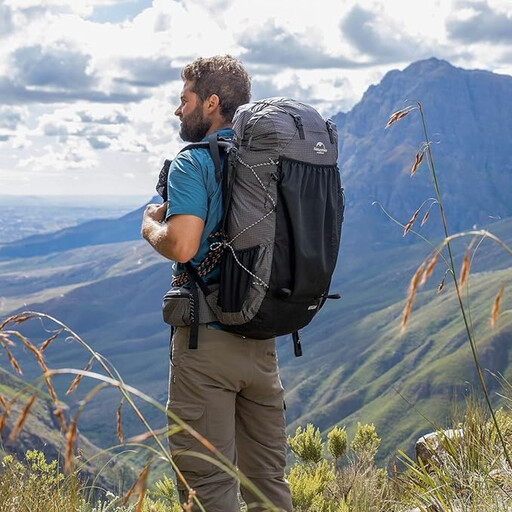
Why This Fits Their Persona: Designed for multi-day treks where capacity, carrying comfort, and durability are paramount. This backpack is built to carry heavy loads stably over rugged terrain.
This bag doesn't focus on being ultralight, but on a robust internal frame and tear-resistant fabric. This provides the necessary support and durability, avoiding the fragility pitfall.
The combination of a large capacity (60+5L) and an internal frame ensures excellent weight distribution. The adjustable hip and shoulder straps maximise comfort during long treks.

Why This Fits Their Persona: Ideal as a secondary travel bag that takes up no space in your main luggage. Perfect for day trips from a hotel or when you only want to carry the essentials and save weight.
While ultralight, this bag is made from 30D ripstop nylon. This offers a good balance between weight and tear resistance, making it more durable than many other foldable models.
Extremely light and compact. The backpack can be folded into a small package that fits into its own pocket. The waterproof coating offers protection against unexpected rain showers.
We have compiled a complete, up-to-date list of products that fully meet these strict selection criteria and regulations.
Most lightweight backpacks are best cleaned by hand. Use a damp cloth and, if necessary, a mild soap. Avoid the washing machine, as the high temperature and spinning can damage waterproof coatings and delicate fabrics. Always let the backpack air-dry, away from direct heat sources. To be safe, always check the manufacturer's care label.
For a daily commute or a short walk where you can quickly take cover, a water-resistant (anti-splash) backpack is often sufficient to keep your belongings dry during a light shower. However, if you're planning a long hike or bike ride, a truly waterproof backpack with sealed seams or a separate rain cover is a safer choice to prevent your gear from getting soaked.
For a typical day trip or for daily use, a daypack with a capacity between 10 and 25 litres is usually ideal. This provides enough space for essentials like a water bottle, your lunch, a wallet, keys, and an extra sweater or rain jacket, without the bag becoming unnecessarily bulky or heavy.
