
Vandaag of morgen in huis

Kwaliteit gegarandeerd

Welkomstaanbiedingen ontgrendelen: GRATIS bezorging | Tot 80% korting | Gratis 30 dagen JoyPlus-proefperiode
Download de app
A lightweight backpack might seem simple to choose at first glance. Yet a low price, a nice appearance or the term “water-repellent” can hide important details. A backpack that looks roomy on the product page may, in practice, offer too little space for a laptop. Likewise, a low own weight doesn’t automatically tell you anything about carrying comfort or protection against rain.
So pay particular attention to these three common pitfalls:
For daily use, the bag’s own weight can make a big difference. A model weighing around 200 grams leaves more room for books, a tablet, lunch or clothing before the total load builds up.
A small backpack of around 4 to 5 litres is suitable for keys, phone, wallet and a bottle of water. For school, commuting or a short trip, a 10 litre backpack, 12 litre backpack or 15 litre backpack is often more practical. Don’t just look at the number, but also at:
A compact bag that has to be stuffed too full is often less comfortable to carry than a slightly roomier model with a good pocket layout.
A water-repellent backpack is handy for Dutch bike rides and short walks. Look at the precise description: is only the material described as water-repellent, or are the zips and seams also protected? With many models, the protection is limited to splashes or light rain.
If in doubt, use a rain cover for longer bike rides or walks. Also avoid abrasive brushes and harsh cleaning agents when the manufacturer warns that these can damage the coating. For the NINETYGO models, for example, washing and air drying is recommended; the product description advises against using abrasive brushes or strong cleaners.
Adjustable shoulder straps are important, but also pay attention to the width, padding and stability of the bag. A backpack for commuting should sit close to your back without pulling on one shoulder. For cycling or trail running, a compact harness with a stable fit is more relevant than just a large main compartment.
Also check the carry length. With the PELLIOT Trail Running Backpack, for example, different sizes are linked to a torso length and waist measurement. That kind of information helps you choose a walking backpack or cycling backpack more purposefully.
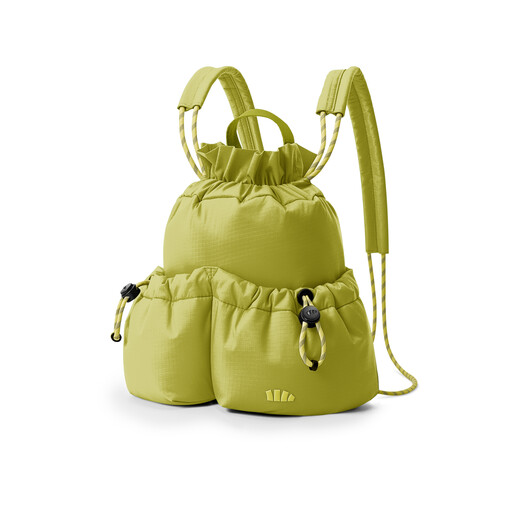
Why this fits the profile: With 4.4 litres of capacity, this is a compact backpack for daily essentials, shopping and short outings. The layout with four pockets helps keep small items organised.
The stated capacity makes it clear that this model is intended for light luggage, not for books or a laptop. The product description mentions water-repellent fabric and advises cleaning with a damp cloth.
4.4 litre capacity, 4 storage pockets and a stated weight of approximately 134 grams.
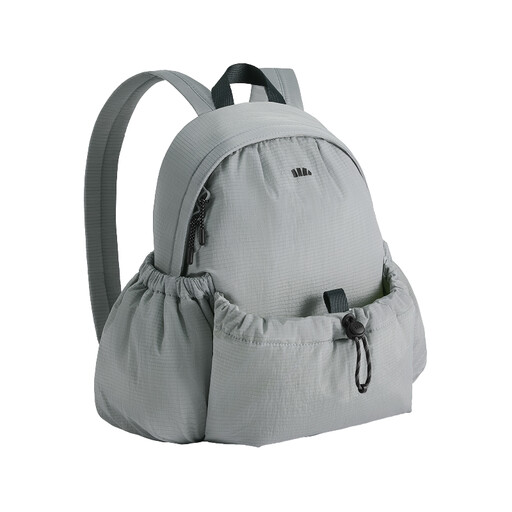
Why this fits the profile: This model is suitable for commuters and travellers who sometimes need extra space. According to the product specification, the capacity goes from 10 to 13 litres.
The expandable construction prevents you from always having to travel with a large bag. The product description mentions protection against wind, rain and stains; check for prolonged rain whether additional protection is needed.
10 litres in normal mode, 13 litres expanded and a stated weight of approximately 235 grams.
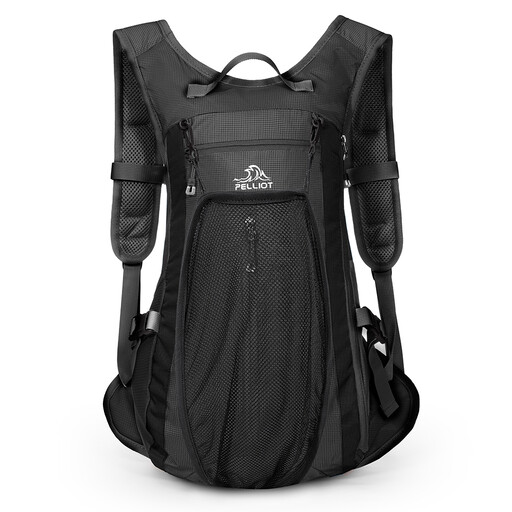
Why this fits the profile: For trail running, cycling and active walks, a stable fit, ventilation and quick access are more important than a classic laptop compartment.
The model uses an adjustable harness and, according to the specifications, is available for different torso lengths. This allows you to tailor the fit rather than just focusing on volume.
20 litre capacity, multiple pockets and a durable grid polyester material according to the product description.
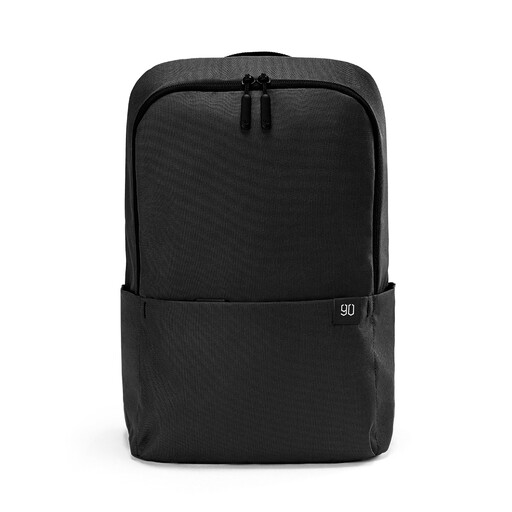
Why this fits the profile: This 12-litre backpack is aimed at daily items such as an iPad, books and accessories. The low stated weight suits a light school or work set-up.
The product information mentions 12 litres, a hidden front pocket and side pockets. Do check the dimensions of your laptop beforehand; “laptop backpack” does not automatically mean it is suitable for every size.
12 litre capacity, stated weight of 194 grams and adjustable shoulder straps.
We have put together a full, up-to-date list of products that fully meet these strict selection criteria and comply with current European safety regulations.
For just a phone, lunch, charger and a thin jumper, 10 to 12 litres can be enough. If you take books, sports clothing or a laptop, look at the pocket layout and dimensions rather than just the capacity. A backpack with a laptop compartment must also be suitable for your specific laptop size.
That depends on the sizing and protection. Check the internal dimensions of the laptop compartment and compare them with your device. A slim laptop backpack of 12 litres is mainly suitable for light daily luggage; for a large laptop, documents and accessories, more capacity may be needed.
Follow the manufacturer’s care instructions. Often, wiping with a damp cloth and air drying is sufficient. Avoid prolonged heat, direct sunlight and harsh agents when the product description warns against them. In heavy rain, a separate rain cover offers extra protection.
