
Vandaag of morgen in huis

Kwaliteit gegarandeerd

Welkomstaanbiedingen ontgrendelen: GRATIS bezorging | Tot 80% korting | Gratis 30 dagen JoyPlus-proefperiode
Download de app
A lightweight backpack may seem simple to choose at first glance. However, small differences in size, carrying comfort and material can have a major impact on everyday use. A bag that looks spacious in the online shop may not actually have enough room for a laptop, lunch and coat. “Water-repellent” is also sometimes confused with fully waterproof.
These buying tips will help students, commuters, business travellers and holidaymakers compare their options more effectively.
A lightweight backpack is convenient when you carry it every day, but thin material may be less suitable for heavy books or a large laptop. So do not just look at the weight. Also consider:
A foldable backpack is useful as a spare during a trip, but it often has less structure than a business backpack.
A water-repellent backpack can keep light rain out temporarily. This does not automatically mean that the bag can withstand a prolonged downpour or being submerged. Check whether the product description mentions a hydrostatic head, taped seams or a clear waterproof rating. If this information is not provided, treat the bag as suitable for splashes and short showers only.
You should also protect a laptop with a separate sleeve if you often cycle in the rain.
A spacious backpack without compartmentalisation can quickly turn into a collection of loose belongings. For commuting, a laptop compartment, document compartment and small zipped pockets are usually more important than simply having a large capacity. For walking, good weight distribution, a water-bottle pocket and quick access to small essentials matter more.
If you are looking for a 15.6-inch laptop backpack, compare your laptop’s dimensions with the internal dimensions of the compartment. The 15.6-inch designation refers to the screen diagonal, not the total width including the bezel.
Look for:
According to the product information, the HP Travel 25L has a compartment for laptops up to 15.6 inches. The model weighs approximately 860 grams, has a capacity of 25 litres and can be expanded to 30 litres. The description also mentions a hidden RFID-blocking pocket and lockable zips. These are practical features for travel, but they do not guarantee protection against theft.
For everyday use, 12 to 20 litres is often enough for a tablet, bottle, lunch and a few personal items. If you carry clothing, documents or travel accessories, it is better to consider 25 litres or more.
An expandable backpack offers flexibility, but check how the bag handles when the extra zip is opened. A full bag may then sit further away from your back, reducing carrying comfort. Keep heavy items close to your back and avoid overloading the bag.
Adjustable shoulder straps are essential. For a heavier commuter backpack or business travel, a chest strap, breathable back panel and sturdy grab handle are useful additions. Also consider the strap length and back-panel length. A model for women and men may be adjustable, but it will not automatically suit every body shape.
With a walking backpack, stability and freedom of movement are more important than having a large number of pockets. For short walks, a simple ultralight bag may be sufficient; for longer routes, better back support and space for waterproof clothing are more practical.
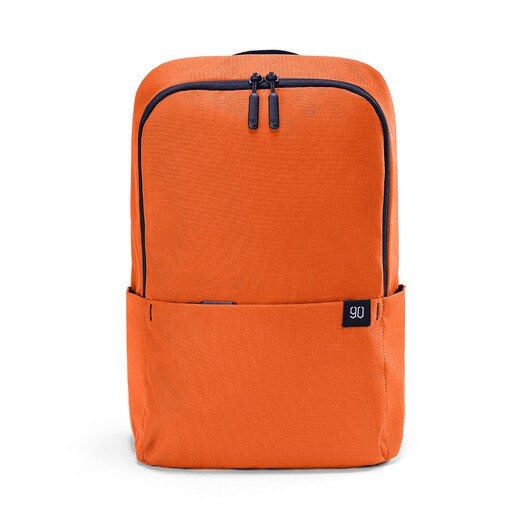
Why it suits this profile: With a stated weight of 194 grams and a capacity of 12 litres, this model is suitable for light everyday belongings, a tablet, books or a short walk.
The capacity and weight are clearly stated. Do not expect room for a large laptop or extensive travel luggage in a 12-litre bag.
194 grams, side pockets for a bottle or umbrella, and a hidden front pocket.
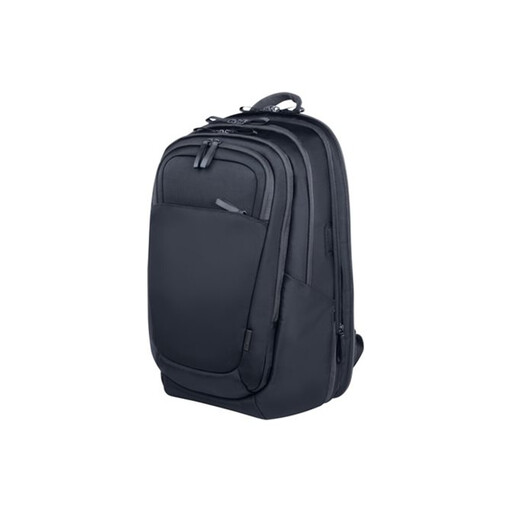
Why it suits this profile: This business backpack is ideal for commuters and travellers who want to carry a laptop, clothing and accessories in an organised way.
The laptop size, capacity and weight are clearly specified. The additional space comes from an expansion zip, rather than marketing language alone.
25 to 30 litres, laptop compartment for up to 15.6 inches, chest strap and multiple compartments.

Why it suits this profile: This model is aimed at walkers and holidaymakers who need a compact spare or daypack.
The foldable design means you do not have to carry an empty, rigid bag during a trip. However, check the exact level of waterproofing before using it in heavy rain.
30D nylon, a foldable design and a version described as waterproof in the product name.
We have put together a complete, up-to-date list of products that fully meet these strict selection criteria and the applicable European safety regulations.
The Beneunder LC359, for example, is a compact outdoor option with a stated size of approximately 15.6 × 4.7 × 7.9 inches. According to the product description, this model has a foldable construction, adjustable straps, a detachable phone pocket and a multi-compartment layout. The claim that the design reduces body weight by 50% comes from Beneunder’s product description and should not be interpreted as an independently verified result. View the model on the Beneunder LC359 product page.
That depends on the internal dimensions and the level of protection. For a 15.6-inch laptop, look for a dedicated laptop compartment and compare the size of your device with the stated product dimensions. A thin daypack without a reinforced compartment is less suitable for carrying a laptop every day.
Its lifespan depends on the material, zips, stitching, load and conditions of use. A bag that is filled heavily every day will wear out faster than a spare backpack used occasionally. Keep the bag within its recommended capacity, avoid sharp objects and clean the material according to the care instructions.
Usually not. Wiping it with a damp cloth and allowing it to air-dry is often sufficient. Do not use harsh cleaning products if they could damage the coating. Over time, check whether water still beads on the surface; a water-repellent coating can become less effective with intensive use.
