
Vandaag of morgen in huis

Kwaliteit gegarandeerd

Welkomstaanbiedingen ontgrendelen: GRATIS bezorging | Tot 80% korting | Gratis 30 dagen JoyPlus-proefperiode
Download de app
A lightweight backpack may seem easy to choose at first. In practice, though, many models can disappoint. A bag may be light but offer little protection. Or it may have a generous stated capacity, while pockets and thick padding reduce the usable space.
For commuting, school, short trips and air travel, there are three key pitfalls to watch out for:
First, think about how you’ll use the backpack. A compact backpack of around 10 to 15 litres is often enough for a tablet, lunch, documents and a few personal items. For a weekend away, around 20 to 25 litres is more practical.
Bear in mind the difference between the weight of the bag and its carrying capacity. A very lightweight backpack may be suitable for everyday use, but less so if you’re carrying a heavy laptop, books or walking gear.
If you’re looking for a 40 x 30 x 20 cm Ryanair backpack, compare its external dimensions with the airline’s current baggage rules. According to the product information, a model of these dimensions may be intended as a personal item, but always check the terms of your ticket before you travel.
A backpack with a laptop compartment won’t automatically protect your computer from knocks. Check:
A laptop compartment is particularly useful for commuting, studying and business travel. For a 15.6-inch laptop, the screen size isn’t the only thing to consider: the actual dimensions of laptops can vary between brands.
Polyester, canvas and similar synthetic fabrics are often used for lightweight backpacks. Check the product description for details such as tear resistance, water-repellent treatments and washing instructions. A brand’s claim about durability or protection is a product claim; don’t treat it as an independent guarantee.
For everyday use, adjustable shoulder straps, a padded back panel and a sturdy handle are useful features. A hiking backpack also needs to distribute weight well. For longer walks, a hip belt can offer more support than a basic school backpack.
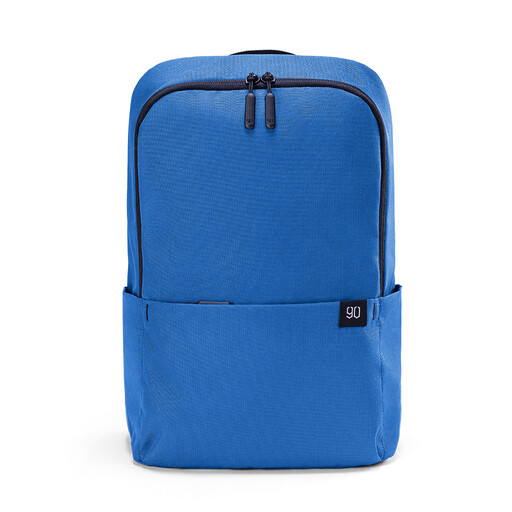
Why it suits this type of user: This compact backpack is designed for light everyday loads, such as a tablet, books and personal belongings. That makes it a good choice for short journeys, a walk or use as a simple school backpack.
The specifications state that it weighs 194 grams and has a capacity of 12 litres. So you can see from the outset that this model is intended for light loads, not heavy travel gear.
194 grams, 12-litre capacity, concealed front pocket, adjustable shoulder straps and side pockets for items such as a bottle or umbrella.
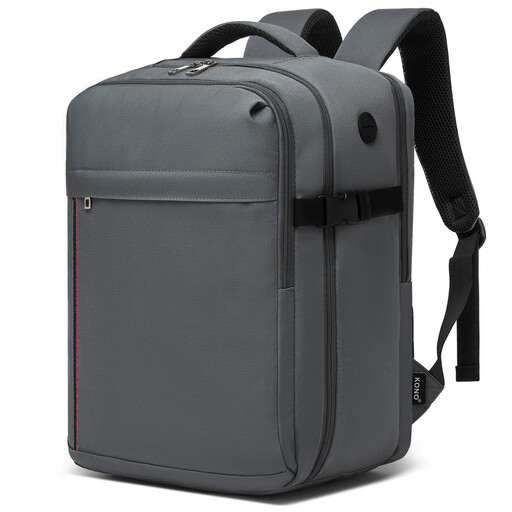
Why it suits this type of user: This model combines a travel backpack with features for work and commuting. Its layout is suitable for short trips, while the laptop compartment and trolley strap are handy at the airport.
The stated external dimensions are 40 x 30 x 20 cm, and it weighs 0.5 kg. According to the product information, the bag is intended as a personal item on Ryanair flights; check the current requirements for your flight.
Around 24 litres of capacity, padded 15.6-inch laptop compartment, three compartments, 180° opening, compression straps and trolley strap.
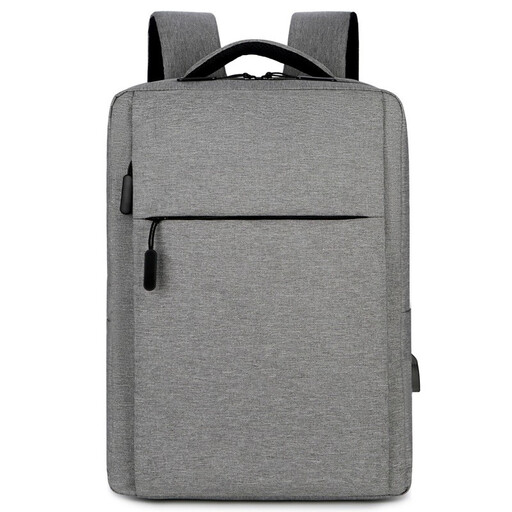
Why it suits this type of user: A business backpack with a laptop compartment is a good fit for office work, train journeys and everyday commuting. Its slim shape is practical if you mainly carry a computer, documents and accessories.
The product title specifically mentions a 15.6-inch laptop compartment, a water-resistant finish and a USB charging port. Check that your power bank is compatible with this connection.
Suitable for a 15.6-inch laptop, slim design, water-resistant finish and USB charging port, according to the product information.
We’ve put together a complete, up-to-date list of products that meet these strict selection criteria and the applicable European safety requirements.
That depends on its dimensions and the airline’s requirements. A 40 x 30 x 20 cm model is often sold as an underseat backpack, but measure the bag including its side pockets and check the rules that apply to your ticket.
Its lifespan depends on the materials, stitching, zips, load and care. Avoid overfilling the compartments, keep sharp objects away from thin fabric and follow the cleaning instructions. A water-resistant coating may become less effective with use and washing.
For everyday use, 10 to 15 litres is often enough. For work with a laptop, lunch and accessories, around 15 to 20 litres is practical. A travel backpack of around 20 to 25 litres gives you more room for a short trip, but it may also become heavier when fully packed.
