
Vandaag of morgen in huis

Kwaliteit gegarandeerd

Welkomstaanbiedingen ontgrendelen: GRATIS bezorging | Tot 80% korting | Gratis 30 dagen JoyPlus-proefperiode
Download de app
A lightweight backpack may seem straightforward to choose at first glance. However, a low price, large capacity or claim such as “waterproof” can create a misleading impression. For a hike, train journey or daily cycle ride, comfort, protection and organisation are often more important than marketing terms.
A backpack with a large capacity is not automatically comfortable. If heavy items sit away from your back or there is no hip belt, the bag may feel unstable. So do not just look at the number of litres. Also check for:
Some product descriptions call a backpack waterproof, while the technical details only mention water-repellent material, splash protection or a separate water-resistant cover. Check whether the seams, zips and open pockets offer protection too.
For example, the product information for the Beneunder LC183 mentions fabric that resists wind, rain and stains. This does not automatically mean that the bag can be used under water for long periods. For heavy Dutch rain, a rain cover or waterproof inner bag is still a sensible choice.
An ultralight bag can be pleasant to carry, but a lack of compartments makes it awkward to find keys, your phone or snacks. A multi-compartment backpack is particularly practical for commuters, pupils and travellers. Do check, however, that extra zips and reinforcements do not add unnecessary weight.
The right weight depends on how you plan to use the bag. For a city trip or short walk, a compact daypack of around 10 to 22 litres is often sufficient. A walking backpack or hiking backpack for clothing, sleeping equipment and cooking gear needs more space.
According to the product information, the Salomon Cross 12 has a capacity of 12 litres and is designed for day hikes and trail running. The Mobi Garden Phantom Pro has a capacity of 45 litres and is aimed at backpacking, hiking and trekking. This difference shows why capacity should always be assessed alongside the intended use.
Pay attention to the length of the adjustable straps and whether there is a chest strap or hip belt. The Mobi Garden Phantom Pro has an adjustable chest strap and hip belt. These help distribute the load on longer trips. Place heavy items close to the back panel and avoid filling the bag higher than your head.
For commuting or use as a school bag, a soft back panel may be sufficient. For a trekking backpack, ventilation, stability and adjustability are generally more important than simply having a low empty weight.
Nylon, polyester and Dyneema each have different properties. Nylon is generally flexible and lightweight. Polyester can be suitable for everyday use and is often easy to clean. Dyneema composite is described in the Mobi Garden Phantom Pro product information as lightweight and tear-resistant, although the manufacturer also warns that sharp objects can damage the fabric.
Claims about comfort, ventilation or protection come from the product descriptions provided by the relevant brands. Treat them as product specifications to compare, rather than a guarantee for every user or situation.
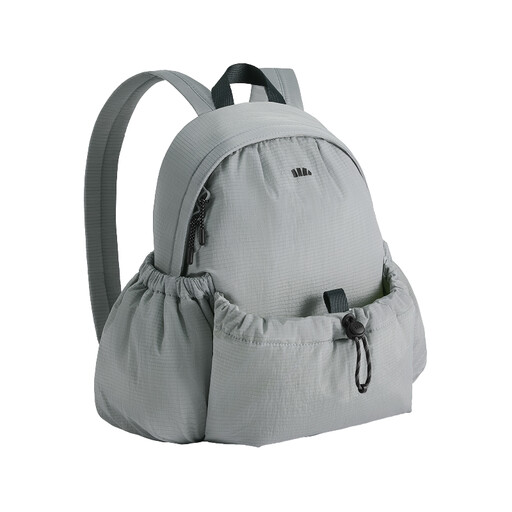
Why it suits this profile: The bag is compact enough for commuting, school or a short walk, and can be expanded when you need to carry extra items.
The capacity is clearly stated as 10 litres in its standard configuration and 13 litres when expanded. This shows you in advance how much space is available.
Weight of 8.3 oz, expandable capacity increased by 30 per cent according to the product information, and two shoulder straps.
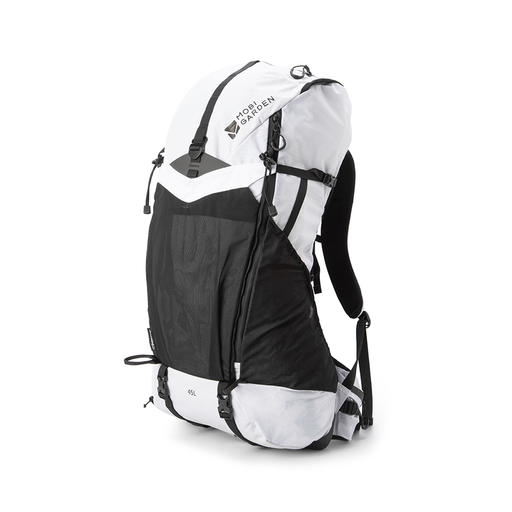
Why it suits this profile: This backpack is designed for lightweight multi-day backpacking, hiking and trekking, where weight distribution and ventilation are important.
The 45-litre capacity is combined with a hip belt, chest strap and several attachment points. This is more practical than simply having a large main compartment.
Approximately 1.35 kg, 3D-ventilated back panel, separate water-resistant hydration sleeve, and compartments for trekking poles or a sleeping mat.
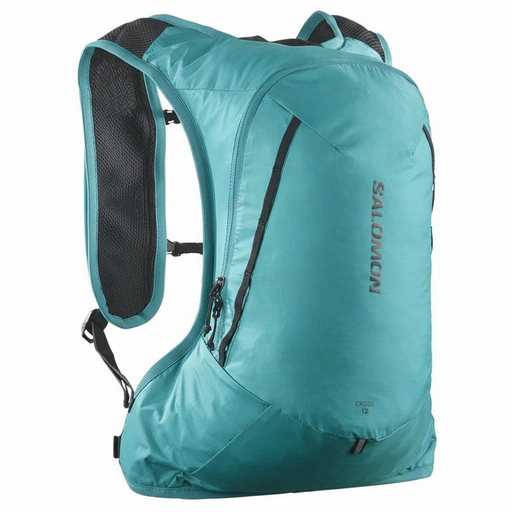
Why it suits this profile: Its compact capacity and chest straps are suited to trail running, day trips and activities where stability matters.
The bag is not excessively large for short activities: its stated capacity is 12 litres. Pockets on the shoulder straps provide access to drinks without having to take off the backpack.
Polyamide main material, padded back panel, reflective buckle and compatibility with a 1.5-litre hydration system.
We have put together a complete, up-to-date list of products that fully meet these strict selection criteria and the applicable European safety regulations.
Use this quick checklist before buying a travel backpack, daypack or foldable backpack:
A foldable backpack is useful as a spare during a trip, but often has less structure and carrying support. An expandable backpack offers greater flexibility, provided the bag remains stable when filled.
This depends on the capacity and weight distribution. A small daypack may weigh a few hundred grams. A larger trekking backpack weighs more because of its frame, back panel and hip belt. Always assess the total weight of the bag plus its contents.
Yes, provided its capacity, compartments and protection suit your routine. For a laptop, documents and lunch, several compartments and a sturdy back panel are useful. For cycling or walking, adjustable straps and a stable fit are more important than maximum capacity.
Its lifespan depends on the material, load, weather conditions and maintenance. Overloading, sharp objects and prolonged exposure to sunlight can damage the fabric and coatings more quickly. Store the bag in a dry place, clean it according to the instructions, and check the zips and seams regularly.
