
Vandaag of morgen in huis

Kwaliteit gegarandeerd

Welkomstaanbiedingen ontgrendelen: GRATIS bezorging | Tot 80% korting | Gratis 30 dagen JoyPlus-proefperiode
Download de app
A lightweight backpack might seem easy to choose at first. But attractive product photos and terms such as “ultralight”, “waterproof” or “ergonomic” can hide important differences. A bag that works well for a short walk around town isn’t necessarily suitable as a backpack for multi-day hikes. A thin fabric may also offer less protection than you expect.
Use this buying guide to compare the key features and find the type of backpack that suits your needs, whether it’s for commuting, school, walking, cycling or trekking.
A backpack that weighs next to nothing may have less structure, padding or adjustability. That’s not a problem if you’re carrying lunch, a jacket and a water bottle, but it can become uncomfortable when the bag is more heavily loaded. So don’t just look at the bag’s weight: check the shoulder straps, back panel, chest strap and hip belt too.
A water-repellent backpack can help keep out light rain and splashes. But that doesn’t automatically mean the contents will stay dry for long in a heavy downpour. Check whether the product information mentions a waterproof construction, coating or rain cover. A separate protective sleeve may be a good idea for your laptop, documents and electronics.
A backpack with lots of pockets can help you organise cables, keys and snacks. However, separate compartments take up space, and larger items may not fit as well. For everyday use, choose a layout that suits what you actually carry. For travel, a wide main opening is often more practical than lots of small pockets.
The right capacity depends on what you’ll be doing:
A larger trekking backpack isn’t automatically more convenient. Empty space can cause your belongings to shift around. Also check the dimensions if you want to use the backpack as hand luggage.
A comfortable backpack distributes weight more effectively when the shoulder straps are adjustable. A chest strap helps keep the shoulder straps in place. On larger models, a hip belt is useful for transferring some of the weight to your hips.
Check the following:
For a trail-running or cycling backpack, a close fit is important to limit movement while you’re on the go. For a laptop backpack, protection and a suitable laptop sleeve matter more than a hip belt.
Nylon, polyester and Dyneema composite have different properties. Consider the balance of weight, tear resistance, abrasion resistance and care requirements. A lightweight fabric may still need careful handling. According to Mobi Garden’s product information, Dyneema composite can be light and strong, but the fabric should be kept away from sharp edges.
Only wash a backpack according to its care instructions. Many models can be cleaned with a damp cloth. Avoid harsh cleaning products if they could damage the coating or water-repellent finish.
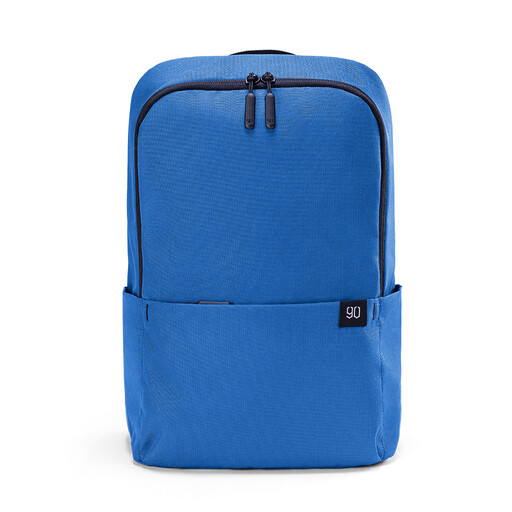
Why it suits this need: Weighing around 194 grams and with a capacity of 12 litres, this model is suitable for students, short trips and everyday use when you’re carrying just a few essentials.
Its capacity and weight are clearly specified. It isn’t presented as a trekking backpack, so you can make a more realistic assessment of its capacity.
194 grams, 12 litres, a hidden front pocket and side pockets for items such as a bottle or umbrella.
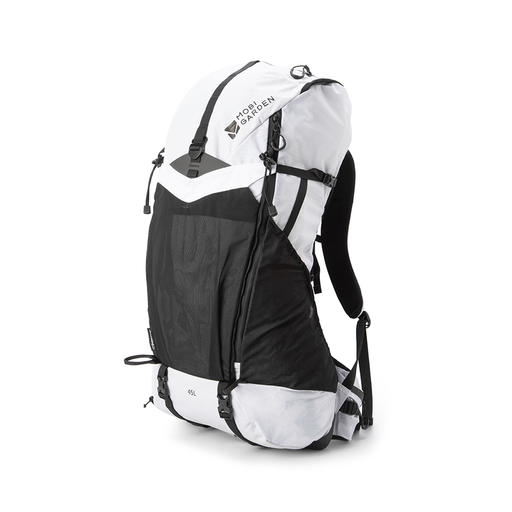
Why it suits this need: This model is designed for backpacking, walking and trekking, with a capacity of 45 litres. It’s a good fit for anyone looking to carry lightweight gear for several days.
The bag has a separate waterproof hydration compartment, a ventilated 3D back panel and adjustable chest and hip straps. The product information does note that the material needs to be protected from sharp objects.
45 litres, around 1,35 kg, external attachment points and separate compartments for hydration and small items.
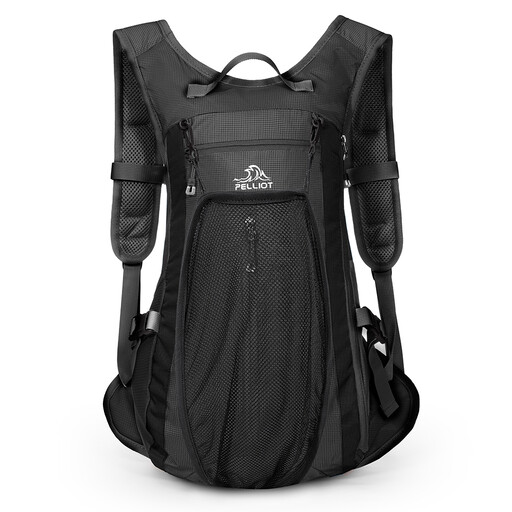
Why it suits this need: Its layout and harness are designed for cycling, trail running and active outdoor pursuits where a stable fit is important.
The size chart matches capacity to torso length and waist size. That means you can check the fit instead of relying on the word “ergonomic” alone.
20 litres, multiple compartments, breathable mesh and sizes to suit different torso lengths.
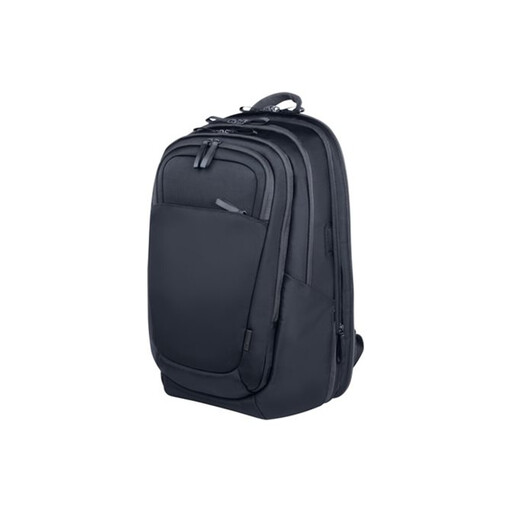
Why it suits this need: This laptop backpack combines a 25-litre capacity with a separate compartment for laptops up to 15,6 inch and several storage pockets for work or travel.
The laptop size, dimensions and capacity are listed. The RFID pocket and lockable zips are practical features, but they don’t guarantee protection against theft.
25 litres, expandable to 30 litres, a chest strap and a compartment for a laptop up to 15,6 inch.
We’ve put together a complete, up-to-date list of products that meet these strict selection criteria and current European safety regulations.
That depends on what you need it for. For everyday use, a bag weighing around 200 to 900 grams may be suitable. A hiking backpack with back ventilation, a hip belt and extra adjustment features will often weigh more. Always consider the balance between the bag’s own weight, its capacity and how comfortable it is to carry.
Its lifespan depends on the material, how heavily it’s loaded and how well it’s cared for. Overloading, sharp objects and prolonged exposure to sunlight or moisture can speed up wear and tear. Store the bag somewhere dry, pack heavy items close to your back and follow the manufacturer’s care instructions.
A foldable backpack is handy as a spare when travelling or for light walks. Be sure to check the shoulder straps, capacity and maximum load. For heavy trekking gear, a model with a sturdier back panel and better weight distribution is generally a better choice.
