
Vandaag of morgen in huis

Kwaliteit gegarandeerd

Welkomstaanbiedingen ontgrendelen: GRATIS bezorging | Tot 80% korting | Gratis 30 dagen JoyPlus-proefperiode
Download de app
A lightweight backpack is useful for commuting, a walk through the dunes, a city break or a day out. However, a low weight does not automatically mean that a bag is comfortable, durable or practical. A backpack that looks spacious in product photos may prove to have too few compartments in everyday use. Similarly, a model labelled “waterproof” will not necessarily keep your belongings dry during a prolonged spell of heavy Dutch rain.
As a Joybuy Product Recommendation Officer, I filter the most important product information for you. This allows you to compare backpacks based on verifiable specifications rather than marketing language.
An ultralight backpack can be ideal when you carry very little. However, thin materials and minimal shoulder straps are not always suitable for a fully loaded bag. Pay attention to:
A straightforward everyday backpack will often be perfectly comfortable with wide, adjustable straps. For a trekking backpack or longer hike, effective weight distribution becomes more important.
Product descriptions do not always use terms such as waterproof, anti-splash and water-repellent consistently. Check whether the backpack features:
For the Beneunder LC183, the product description states that the protective fabric resists wind, rain and stains. This supports use in light rain, but does not guarantee that the contents will remain completely dry during prolonged heavy rainfall. For electronics, it is best to use a separate waterproof pouch.
A 10-litre bag is suitable for everyday essentials, but not necessarily for a laptop, sportswear and lunch all at once. Alongside the stated capacity, consider the shape and internal layout.
A foldable backpack is compact when not in use, but often provides less back support. An expandable backpack offers greater flexibility, but check how large it becomes and whether the shoulder straps can handle the additional load.
Use these guidelines as a starting point:
According to the product specification, the Beneunder LC183 has a capacity of 10 litres in its standard configuration and 13 litres when expanded. Its stated dimensions are approximately 33.5 × 15.5 × 32.5 cm, and it weighs around 235 grams. This makes it an appealing compact travel backpack or everyday backpack, provided you do not need to carry a large laptop or substantial amounts of clothing.
Compare the total weight rather than relying solely on the term “ultralight”. A lightweight backpack may lack a sturdy frame, protective panels or additional compartments. On the other hand, a heavier bag can be more comfortable when it distributes the load more effectively.
According to the product information, the Mobi Garden Phantom Pro 3D Dyneema has a capacity of 45 litres and weighs approximately 1.35 kilograms. It uses Dyneema composite material and features a ventilated 3D back panel, sternum strap and hip belt. This places it in a different category from a compact daypack: it is designed for longer hikes and trekking, rather than as a minimal bag for a short city trip.
A laptop compartment is not the same as full impact protection. Check:
For commuting, a laptop backpack with a protective main compartment may be more practical than an ultralight hiking model. If you only carry a tablet, phone and water bottle, a more compact bag may be sufficient.
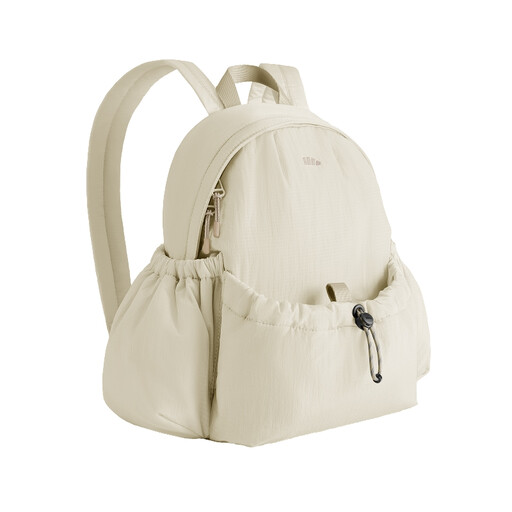
Why This Fits Their Persona: A compact choice for everyday use, short trips and commuting when the amount carried varies from day to day.
The capacity is clearly specified: 10 litres, expandable to 13 litres. The product description also mentions adjustable, pressure-relieving shoulder straps.
Stated weight of approximately 235 grams, concealed pockets and fabric that, according to the product description, resists light rain and stains.
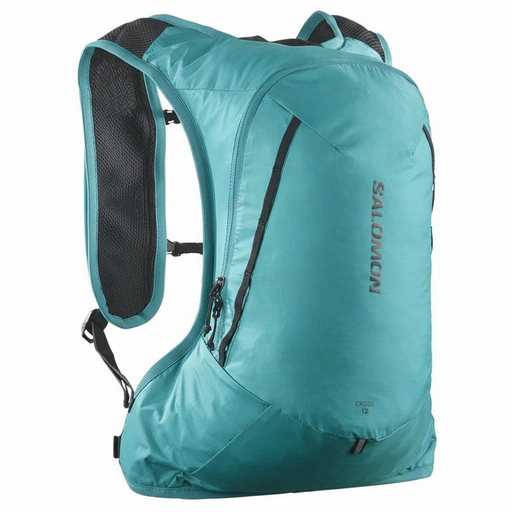
Why This Fits Their Persona: Designed for day hikes, trail running and active users who value stability and quick access.
This is not a generic large travel backpack, but a model with a clearly stated 12-litre capacity and a design made for movement.
Padded back panel, dual sternum straps, reflective buckle and compatibility with a 1.5-litre hydration system, according to the product information.
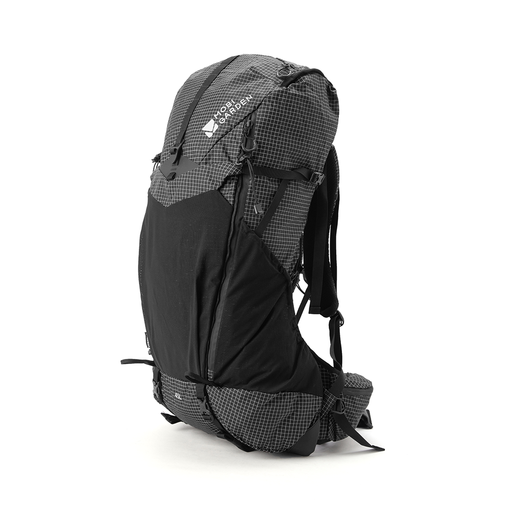
Why This Fits Their Persona: For multi-day hikes, backpacking and trekking when you need to carry a substantial amount of gear.
The capacity, dimensions and weight are specified. With a sternum strap and hip belt, the backpack is clearly designed for larger and heavier loads.
45-litre capacity, ventilated 3D back panel, separate waterproof hydration compartment and attachment points for trekking poles or a sleeping mat.
Browse our current range of hiking backpacks and compare capacity, materials, carrying comfort and compartment layout for your intended use.
A backpack’s lifespan depends on its materials, load and usage conditions. Do not overload a lightweight bag, and place sharp objects in a protective pouch. Clean the exterior with a damp cloth when permitted by the product instructions. Do not machine-wash a backpack if the manufacturer advises against it.
Allow a wet bag to air-dry and avoid prolonged exposure to direct heat. For a foldable backpack, it is best to store it dry and loosely folded so that the fabric, folds and coatings are subjected to less stress.
For just a lunch, bottle, phone and a few accessories, 10 to 15 litres may be sufficient. If you carry a laptop, documents and clothing, look at 15 to 25 litres instead. Always check the laptop dimensions rather than relying solely on the total capacity.
Yes, a lightweight hiking backpack can be comfortable for day hikes. For trail running or longer distances, choose a model with a padded back panel, sternum straps and compartments for drinks. For multi-day trips, a model of 30 litres or more with a hip belt is generally the better choice.
That depends on its construction. Water-resistant fabric helps protect against light rain and splashes, but does not automatically provide protection during prolonged rainfall. For phones, laptops and other sensitive items, use a waterproof pouch or choose a backpack with demonstrably protected seams and zips.
