
Vandaag of morgen in huis

Kwaliteit gegarandeerd

Welkomstaanbiedingen ontgrendelen: GRATIS bezorging | Tot 80% korting | Gratis 30 dagen JoyPlus-proefperiode
Download de app
By Joybuy Product Recommendation Officer | July 29, 2026
A good lightweight backpack can make or break your day. Whether you're cycling to work, going for a day hike, or exploring a city, the right bag carries your essentials without weighing you down. But the search is often more challenging than it seems. The market is flooded with models that promise a lot but don't always deliver. Before you invest in a new bag, it's wise to know the common pitfalls.
Many buyers fall into the same traps:
commuter backpack, smart pockets for a laptop, keys, and a water bottle are essential.To avoid a bad purchase, you can focus on a few objective specifications. These details determine whether a backpack is worth the investment and suits your needs.
A lightweight backpack is the goal, but not at any cost. The fabric's durability is often expressed in Denier (D). A low value, like 30D, indicates a very light, often packable backpack. This is ideal as an extra travel backpack to keep in your suitcase. For daily use or a small hiking backpack, a higher Denier rating (e.g., 200D or more) offers a better balance between weight and wear resistance. So, don't just check the weight; check the material specifications too.
Pay close attention to the difference between water-repellent and waterproof.
waterproof backpack often has sealed seams and special waterproof zips. This is a key feature if you frequently travel in all kinds of weather.A backpack's capacity is measured in litres. For a compact daypack for daily use or a short trip, 10 to 20 litres is usually sufficient. This can fit a laptop or tablet, a lunch box, a water bottle, and other small essentials.
Look beyond just the total volume. A good layout with separate pockets, a padded laptop compartment, and side pockets for a water bottle or umbrella makes a backpack much more functional. This is a deciding factor, especially for those who like to stay organised.
Based on objective specifications, we have selected a number of models that suit different needs.
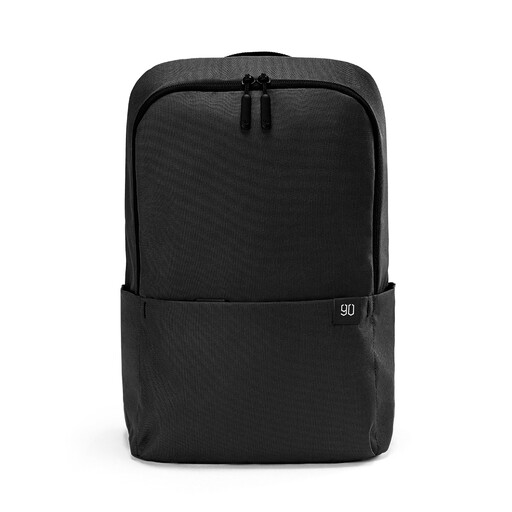
Why This Fits Their Persona: Ideal for those who commute daily by public transport or bicycle. At 194 grams, this bag is extremely light, yet its 12-litre capacity offers enough space for an iPad, books, and other essentials. The minimalist design fits perfectly in an urban environment.
The bag is made from tear-resistant fabric that holds its shape, avoiding the 'ultra-fragile' pitfall. The smart layout with a hidden front pocket prevents the frustration of an impractical bag.
Weight: At 194 grams, it's lighter than a bottle of water. Material: Water-repellent and easy to clean.
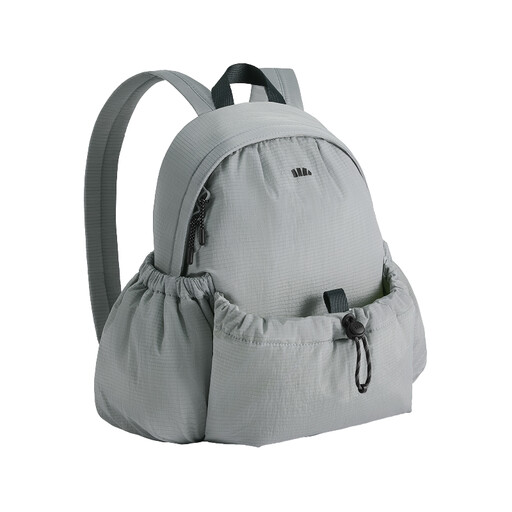
Why This Fits Their Persona: Perfect for a day trip or as a carry-on. The bag is compact but can be expanded by 30% if you unexpectedly need more space. The pressure-reducing shoulder straps make it comfortable for longer walks.
The expandable feature solves the problem of an impractical, fixed volume. The manufacturer describes the material as 'high-tenacity nylon', which offers a good balance between weight and durability.
Flexibility: Capacity is expandable from 10L to 13L. Comfort: Features pressure-reducing shoulder straps.
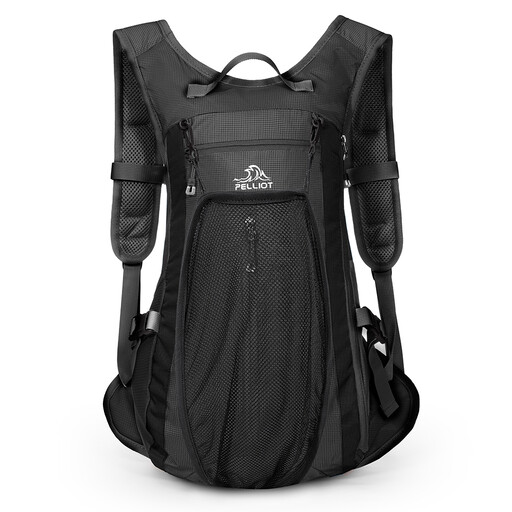
Why This Fits Their Persona: Designed for trail running and strenuous hikes. This 20L backpack focuses on ergonomics and stability, ensuring the bag doesn't shake during movement. The layout is geared towards quick access to water, snacks, and tools.
This bag tackles the 'ultra-fragile' pitfall with wear-resistant 'grid polyester'. Its professional layout with multiple compartments is the antithesis of an impractical, shapeless sack.
Ergonomics: The carrying system is designed to distribute pressure and reduce shoulder strain. Stability: The fit is stable and prevents the bag from moving during intense activity.
We have compiled a complete, up-to-date list of products that meet these strict selection criteria and applicable regulations.
For most daily activities, like commuting or a city walk, a compact daypack of 10 to 15 litres is sufficient. This can fit your wallet, phone, a water bottle, lunch, and possibly a tablet. If you're using a small hiking backpack and want to bring an extra jacket or more provisions, a volume of 15 to 20 litres is a better choice.
The water-repellent layer is delicate. Never use a washing machine, harsh detergents, or a stiff brush. The recommended method is to wipe the bag clean with a damp cloth and, if necessary, a mild soap. Afterwards, let the backpack air dry, away from direct heat sources like a radiator.
A packable backpack is primarily designed to be compact and light, which often comes at the expense of robustness. They are ideal for occasional use or as an emergency bag when travelling. For intensive daily use, a model made from a sturdier, non-packable material is usually a more durable choice. When considering a packable model, pay attention to the fabric specifications; versions made of high-denier nylon offer more strength.
