
Vandaag of morgen in huis

Kwaliteit gegarandeerd

Welkomstaanbiedingen ontgrendelen: GRATIS bezorging | Tot 80% korting | Gratis 30 dagen JoyPlus-proefperiode
Download de app
A bottle of light soy sauce might seem straightforward to choose, but the difference between products often lies in salt, sugar, additives, size and production method. For a quick stir-fry, a salty sauce can easily overpower the vegetables. What’s more, a small bottle can be impractical if you cook Chinese food several times a week.
This guide helps you separate marketing terms from verifiable information. That way, you can choose a Chinese soy sauce more deliberately for your kitchen.
With soy sauce, “light” usually refers to the colour and type of sauce, not a low salt content. So always check the nutritional information per 100 ml. In the products mentioned here, the stated salt content ranges from 11.5 grams to 19.4 grams per 100 ml.
If you want to use less salt, look specifically for a product labelled “reduced salt” or “low sodium”. Also, use a small amount and taste before adding extra sauce.
A product with a short ingredients list can be appealing, but flavour also depends on fermentation, the ratio of soya to wheat, and the amount of salt and sugar. So check the full list. Some varieties contain flavour enhancers, sweeteners, colourings or preservatives, while others, according to the product description, contain only water, soya, wheat, salt, sugar and yeast extract.
Also watch out for allergens: light soy sauce often contains soya and wheat, and therefore gluten.
A large bottle of soy sauce can be handy for a big household or a professional kitchen. For occasional use, however, a 1.75 or 1.9 litre bottle takes up a lot of space and the quality can deteriorate more quickly after opening if you don’t use it often. So consider your consumption and the storage instructions.
If you’re looking for a distinctive, authentic Asian seasoning, the ingredients are a good place to start. Look out for:
According to the product description, Lee Kum Kee Premium Light Soy Sauce is made from non-genetically modified defatted soya beans and wheat. Qian He Premium First Press Light Soy Sauce lists water, non-genetically modified defatted soya beans, wheat, salt and sugar as ingredients. Always check the current packaging before purchase, as product compositions can change.
Compare products only on the same unit: usually per 100 ml. A sauce with less salt can taste milder, but may also have a different balance of sweetness and umami.
Qianhe 35% Reduced Salt Light Soy Sauce states 11.5 grams of salt per 100 ml. Lee Kum Kee Premium Light Soy Sauce states 18 grams of salt per 100 ml. That difference matters if you want to limit your overall salt intake. The term “35% reduced salt” is a product claim from the brand; use the nutritional information table as a verifiable comparison.
For a single-person household or a first-time buyer, 150 to 500 ml can be practical. A bottle of 410 to 760 ml is better suited to regular home cooking. If you often stir-fry, prepare meals in advance or cook for several people, you might consider a large bottle of soy sauce.
After opening, follow the instructions. Many products recommend refrigeration after opening. Store the bottle tightly sealed, in a cool place and away from direct sunlight. The best-before date and any period after opening are on the packaging.
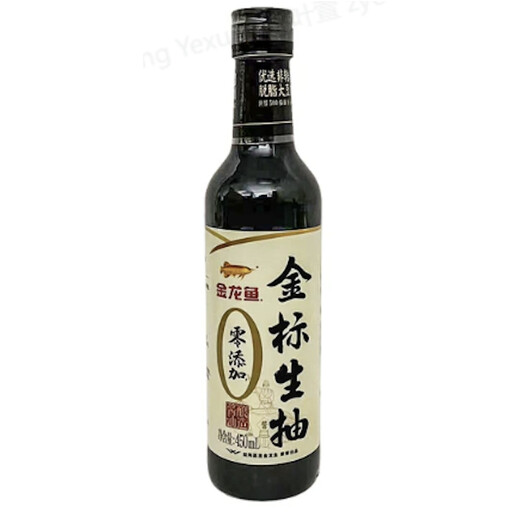
Why this fits the profile: The 450 ml volume is manageable for anyone starting out with stir-frying, cold dishes and dipping sauces. According to the product description, the sauce contains water, defatted soya beans, salt, wheat, sugar and yeast extract.
The packaging isn’t excessively large, and the stated salt content of 12.90 grams per 100 grams makes comparison easier than relying solely on the name “light”.
450 ml volume; according to the product information, suitable for stir-frying, cold dishes and dipping sauces.
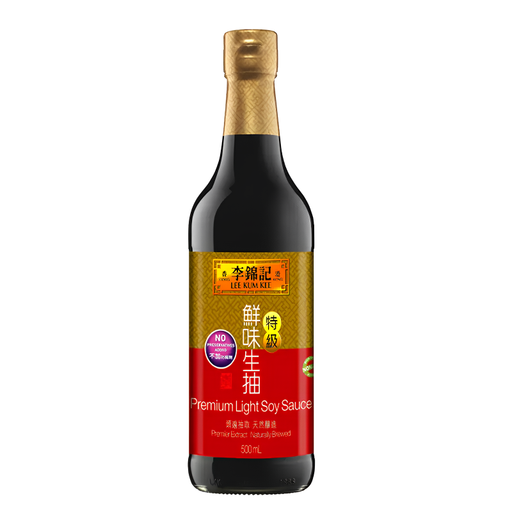
Why this fits the profile: This 500 ml bottle is designed for everyday use as a soy sauce for stir-frying, marinades and as a dipping sauce. According to the product description, the sauce is fermented with non-genetically modified defatted soya beans and wheat.
The product information lists clear ingredients and allergens. The salt content of 18 grams per 100 ml shows that portion control remains important.
500 ml volume; according to the product description, suitable for dipping, marinating and cooking, with 8 grams of protein per 100 ml.
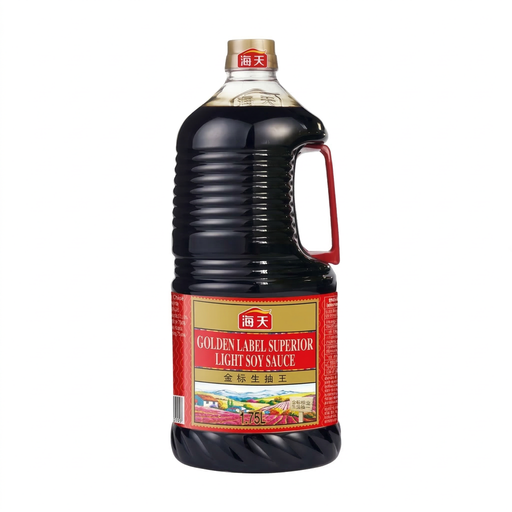
Why this fits the profile: The 1.75 litre bottle is intended for households with high daily consumption, meal preppers and professional kitchens. According to the product description, the sauce is suitable for stir-frying, marinating, dipping and braising.
The large size prevents you from running out quickly with heavy use. Just make sure you use enough and follow the storage instructions after opening.
1.75 litre volume; 9.2 grams of protein and 18 grams of salt per 100 ml according to the product information.
We’ve put together a full, up-to-date list of products that fully meet these strict selection criteria and comply with current European safety regulations.
Light soy sauce is generally thinner, lighter in colour and intended to season dishes. Dark soy sauce is often richer in colour and used more for colour and a deeper sauce texture. The exact composition varies by brand, so check the label.
That varies by product. Store the bottle tightly sealed and follow the packaging. Many varieties recommend refrigerating after opening. Use smell, colour and appearance as a practical check, but always follow the official best-before information.
Compare the salt content per 100 ml and don’t choose solely on the words “light” or “premium”. The Qianhe 35% Reduced Salt Light Soy Sauce states 11.5 grams of salt per 100 ml. That’s lower than some other varieties mentioned here, but the sauce remains a concentrated seasoning. Use small amounts and adjust your recipe accordingly.
