
Vandaag of morgen in huis

Kwaliteit gegarandeerd

Welkomstaanbiedingen ontgrendelen: GRATIS bezorging | Tot 80% korting | Gratis 30 dagen JoyPlus-proefperiode
Download de app
Chinese soy sauce quickly adds umami to stir-fries, marinades, dressings and dips. However, not every bottle is right for every dish. A large pack may seem like good value, even if you only cook with it occasionally at home. And a label featuring words such as “premium”, “light” or “natural” doesn’t always tell the whole story.
Use this practical guide to compare ingredients, salt content, bottle size and intended use. That way, you can find a Chinese soy sauce to suit your cooking style and household.
With Chinese soy sauce, “light” usually refers to its paler colour and more delicate flavour compared with dark soy sauce. It doesn’t automatically mean the product contains less salt, so always check the nutrition information.
A standard light soy sauce, for example, may contain around 14 to 18 grams of salt per 100 ml. You can identify a reduced-salt soy sauce by a clear claim such as “35% reduced salt” or “30% reduced salt”. Even then, it’s worth comparing the actual salt content.
Some sauces contain preservatives, colourings, sweeteners or flavour enhancers. That isn’t necessarily a problem, but it may matter if you’re looking for a simple ingredients list. Look beyond the front of the bottle and check the full list of ingredients.
If a product has no added preservatives, pay particular attention to the storage instructions. Refrigeration may be recommended after opening, and some products need to be used relatively quickly.
A 1.8- or 1.9-litre bottle suits a large household, an enthusiastic home cook or a professional kitchen. For occasional use, a 150 ml, 300 ml or 500 ml bottle may be more practical. An opened bottle left standing for a long time also takes up space and may lose flavour.
Naturally brewed soy sauce is generally made with water, soybeans, wheat and salt. Some varieties also contain sugar, yeast extract or flavour enhancers. “Traditionally brewed” is a product description used by the brand, so always check the label on the specific bottle.
Check the allergens: Chinese soy sauce often contains soy and wheat (gluten). If you need to avoid these ingredients, read the allergen information carefully.
Light soy sauce is versatile and often used for stir-frying, marinating and dipping. If you want to use less salt in your cooking, look for a reduced-salt variety. Bear in mind that “35% less salt” is a comparison with a reference product; it doesn’t mean the sauce is salt-free.
Use soy sauce to add flavour and start with a small amount. Taste your dish before adding extra salt, stock or other salty sauces.
A 500 ml bottle of soy sauce is a useful mid-size option for many households. A large bottle of soy sauce containing 1 to 1.9 litres is especially handy if you cook often or prepare several portions at once.
Store an unopened bottle in a cool, dry place away from direct sunlight, following the label instructions. Refrigeration may be recommended after opening. Always check the packaging for the exact shelf life and recommended time to use the product after opening.
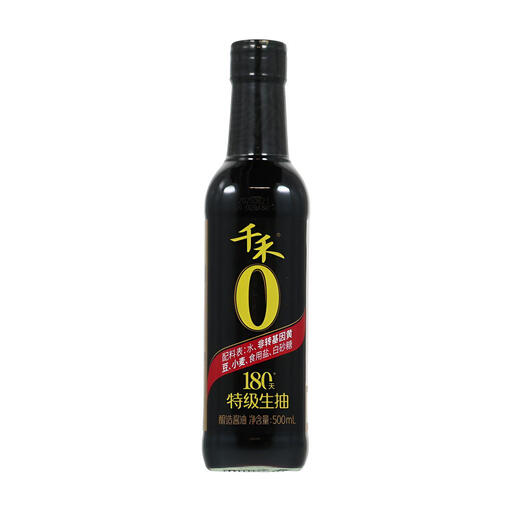
Why it suits this type of user: The manageable bottle size is ideal if you’re trying Chinese soy sauce for the first time and want to experiment with different recipes.
The 500 ml bottle means you don’t have to buy a large pack before you know how much you’ll use.
According to the product information, the sauce contains water, soy, wheat, salt and sugar, and is suitable for dips, dressings, stir-fries and marinades.
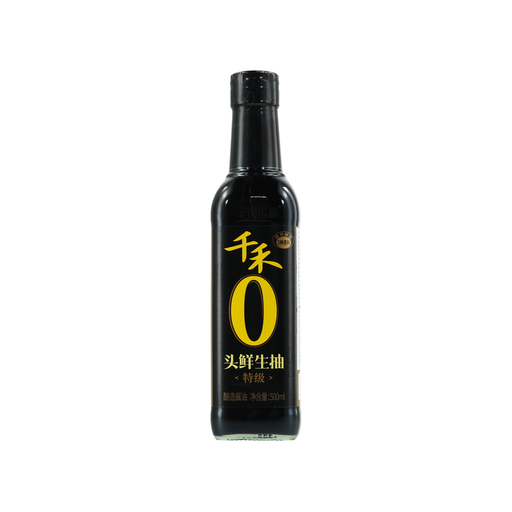
Why it suits this type of user: This variety is a good fit for cooks looking for a naturally brewed product with a versatile, delicate flavour.
The ingredients list shows which basic ingredients have been used, making it easier to compare marketing claims with the facts.
According to the product description, the sauce is traditionally brewed and intended for stir-fries, marinades, braising and dips.
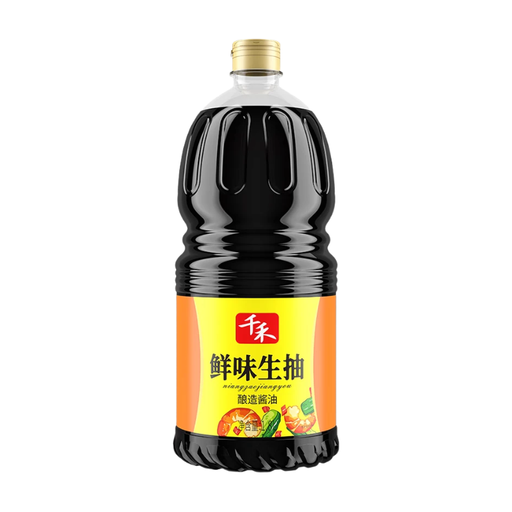
Why it suits this type of user: This large bottle is ideal for households, meal prep and kitchens where soy sauce is used every day.
The bottle size is designed for frequent use, so you won’t need to buy a new one as often. After opening, store it according to the label instructions.
According to the product information, this sauce is suitable for stir-fries, cold dishes, dips and a range of cooking methods. No added preservatives, colourings or artificial flavourings are listed.
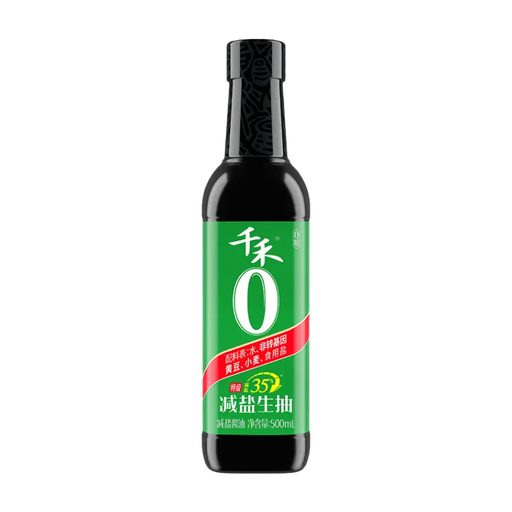
Why it suits this type of user: This bottle is aimed at shoppers who want to compare its salt content with that of standard soy sauces.
The “35% less salt” claim makes its positioning clear. Before you buy, check the nutritional information on the packaging.
According to the product information, this variety contains five ingredients and is suitable for stir-fries, marinades, cold dishes and dips.
We’ve put together a complete, up-to-date list of products that meet these strict selection criteria and current European safety regulations.
No. Light soy sauce usually refers to its colour and flavour profile. According to the product label, reduced-salt soy sauce contains less salt than a comparable standard product. Always check the nutrition table.
It varies from product to product. Store the bottle as directed on the label; refrigeration after opening is often recommended. Also check its smell, colour and flavour, as well as the recommended time to use it.
A 500 ml bottle is usually a practical choice for regular use at home. If you often make stir-fries, prepare meals in advance or cook for several people, you could consider a 1 to 1.9-litre bottle.
